ATV Safety Gear Checklist: What to Wear Before You Ride

Ellen Kietzmann brings more than 25 years of senior leadership in the RV and outdoor recreation industry. She spent 22 years at Blue Ox — rising from Vice President of Sales & HR to President — where she grew the deal…
Why trust us
BestATVTrails trail guides are researched by riders with decades of powersports experience. Our lead researcher spent 30+ years in powersports retail and has ridden trails across a dozen US states. Every gear recommendation is sourced from real product research matched to specific terrain — not paid placements or generic affiliate lists.

🛠 What you'll need
-
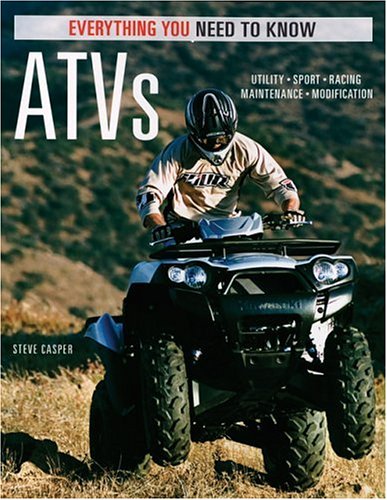 Check Price on Amazon →ATVs: Everything You Need to Know (Everything You Need to Know)★★★★☆ (15)
ATV Safety Gear Checklist: What to Wear Before You Ride
Before any trail day, we recommend running through a complete ATV safety gear checklist instead of grabbing whatever is closest to the garage door. ATV riding exposes us to roost, branches, mud, weather, rollovers, and impact injuries, so the right gear matters on every ride—not just the long or technical ones. Below, we cover what to wear, how to choose it, and a simple step-by-step process to make sure nothing gets missed.
Comparison Table

| Rank | Product | Category | Approx. Price | Best For | Key Tradeoff |
|---|---|---|---|---|---|
| 1 | Bell MX-9 MIPS | Helmet | $170-$230 | Riders wanting strong overall protection | Costs more than entry-level helmets |
| 2 | Fox Racing Main Goggles | Goggles | $25-$40 | Budget-friendly eye protection | Basic lens package |
| 3 | Alpinestars Tech 3 Boots | Boots | $220-$300 | Riders upgrading from work boots | Stiffer break-in period |
| 4 | Fox Racing Dirtpaw Gloves | Gloves | $25-$35 | Everyday trail riders | Light protection vs premium gloves |
| 5 | Leatt 3.5 Chest Protector | Upper-body protection | $110-$160 | Added torso protection on wooded trails | Extra bulk in hot weather |
Why an ATV Safety Gear Checklist Matters
ATVs feel familiar fast, and that can lead riders to underdress for short rides, easy trails, or low speeds. But even a quick ride can involve:
- Falls on hardpack, rocks, or roots
- Handlebar and footwell impacts
- Dust, bugs, and debris in the eyes
- Burns from hot engine parts or exhaust
- Weather exposure, including cold wind and rain
- Reduced control from poor footwear or slippery gloves
A checklist helps us stay consistent. It also makes it easier to gear up new riders, passengers, and kids without forgetting critical items.
Gear and Materials List

Here’s the core gear we recommend before every ATV ride:
- DOT-approved or DOT/ECE-approved off-road helmet
- ATV or motocross goggles
- Full-finger riding gloves
- Long-sleeve jersey or abrasion-resistant top
- Riding pants or durable over-the-ankle trail pants
- Over-the-ankle ATV or motocross boots
- Chest protector or armored jacket
- Knee guards or knee/shin guards
- Elbow guards, if not built into upper-body armor
- Neck gaiter, rain shell, or thermal layers depending on weather
- Hydration pack for longer rides
- High-visibility layer for public trail systems or hunting season
Safety Notes Before You Gear Up
Before we get into the checklist steps, keep these basics in mind:
- Never ride in sneakers, sandals, or work shoes with soft soles.
- Avoid loose hoodies, drawstrings, or baggy layers that can snag.
- Replace any helmet after a significant impact.
- Wet or muddy gear can hide cracks, tears, and worn straps, so inspect it after cleaning.
- Kids need youth-specific gear with proper fit—not downsized adult gear.
- If you ride two-up on a legal two-person ATV, the passenger needs the same protective gear as the driver.
Step-by-Step ATV Safety Gear Checklist
1. Start With the Helmet
The helmet is the first item we put on and the last item we compromise on. For ATV riding, an off-road or dual-sport style helmet usually offers the best ventilation, chin-bar protection, and compatibility with goggles.
What to look for
- DOT or ECE certification
- Snug fit without painful pressure points
- Secure D-ring or ratchet closure
- Good ventilation for slow trail riding
- Eye port large enough for your goggles
Fit check
A proper helmet should feel firm all around your head. When we move the helmet side to side, our skin should move with it. If it slides easily or lifts when the chin strap is secured, it’s too loose.
2. Add Goggles for Eye Protection
Sunglasses are not a substitute for true off-road goggles. Dust, roost, branches, and insects can appear instantly on the trail, and goggles seal better while also working with off-road helmets.
What to look for
- Anti-fog lens
- Wide field of view
- Triple-layer foam for comfort
- Tear-off compatibility if you ride in mud
- Good helmet fit without pressure gaps
Clear lenses work well in woods and low light. Tinted or mirrored lenses can help in open, bright terrain.
3. Wear Full-Finger Gloves
Gloves protect our hands in falls, reduce blisters, and improve grip when bars get wet, muddy, or sweaty. We prefer gloves with reinforced palms and flexible knuckle protection for trail riding.
Glove checklist
- Full-finger coverage
- Secure wrist closure
- Grip-friendly palm material
- Venting for hot weather
- Enough dexterity for throttle, brake, and switch control
4. Choose the Right Upper-Body Protection
A jersey alone is not enough for most riders. At minimum, we recommend a durable long-sleeve layer. For trail riding, especially in rocky, wooded, or faster terrain, a chest protector or armored jacket adds meaningful impact protection.
Options to consider
- Roost/chest protector
- Armored pressure suit
- Armored textile jacket for cooler weather
- Base layers for sweat management
If you ride in changing conditions, layering is often the most practical setup.
5. Protect Your Legs With Riding Pants
Jeans are common, but they are not ideal for off-road riding. Purpose-built riding pants provide better mobility, abrasion resistance, and room for knee guards.
What to look for
- Reinforced knees and seat
- Vent panels or zip vents
- Room for knee braces or guards
- Durable inner-leg panels
- Adjustable waist
If dedicated ATV pants are not in the budget yet, choose the toughest long pants you own and pair them with quality knee/shin protection.
6. Don’t Skip Knee and Elbow Protection
Knees take a beating on ATVs from impacts, awkward dismounts, and trail obstacles. Elbow guards are also smart if your upper-body protection does not already include them.
Protection priorities
- Knee/shin guards for almost every rider
- Elbow guards for wooded or technical trails
- More coverage for rocky or high-speed terrain
Look for guards that stay in place when walking, sitting, and shifting body position.
7. Wear Proper Over-the-Ankle Boots
Boots are one of the most overlooked items on any ATV safety gear checklist. They protect the ankles, shins, and feet from impacts, footpeg contact, mud, and heat.
Good ATV boots should have
- Over-the-ankle height
- Stiff sole for peg support
- Shin protection
- Buckle or secure closure system
- Water resistance or quick-dry construction
Motocross boots can feel stiff at first, but they offer far more support than hiking boots or casual work boots.
8. Dress for Weather and Visibility
Trail conditions change quickly. We recommend adjusting your gear setup before you leave, not after you’re cold, soaked, or overheated.
Add-ons by condition
- Cold weather: thermal base layer, windproof shell, insulated gloves
- Wet weather: packable rain layer, waterproof gloves, extra socks
- Hot weather: vented jersey, lightweight gloves, hydration pack
- Public trails or hunting season: hi-vis vest or bright outer layer
9. Do a Final Mobility and Fit Check
Once everything is on, do a quick movement test before starting the ATV.
Final pre-ride check
- Turn your head fully left and right in the helmet.
- Confirm goggles seal well and don’t fog immediately.
- Squeeze brakes and work the throttle with gloves on.
- Sit on the ATV and make sure pants, guards, and boots don’t bind.
- Check all straps, buckles, and closures.
If any piece shifts badly in the driveway, it will be worse on the trail.
Recommended ATV Safety Gear Picks
We researched popular Amazon-available options that fit a range of budgets and riding styles. These are not the only good choices, but they are strong starting points.
1. Bell MX-9 MIPS
A well-known off-road helmet with MIPS technology, strong ventilation, and broad rider appeal.
Pros
- MIPS impact-management system
- Good airflow for trail use
- Works well with common off-road goggles
- Recognizable brand with wide size availability
Cons
- Pricier than basic DOT-only helmets
- Peak and shell size can feel bulky for some riders
Who It’s For
We recommend the Bell MX-9 MIPS for riders who want to make one solid helmet purchase and avoid the compromises common in ultra-budget models.
2. Fox Racing Main Goggles
A dependable entry-level goggle with good comfort and easy availability.
Pros
- Affordable price point
- Comfortable face foam
- Good compatibility with off-road helmets
- Trusted powersports brand
Cons
- Less premium lens tech than higher-end goggles
- Strap and foam quality are more basic than flagship models
Who It’s For
These are a smart choice for casual trail riders, new ATV owners, or anyone building a complete kit without overspending.
3. Alpinestars Tech 3 Boots
A popular entry-level motocross boot that offers real lower-leg protection and support.
Pros
- Strong ankle and shin coverage
- Secure buckle system
- Better protection than hiking or work boots
- Good value for a recognized brand
Cons
- Requires break-in time
- Bulkier feel than casual footwear
Who It’s For
We recommend the Tech 3 for riders ready to stop using ordinary boots and move into true off-road protection.
4. Fox Racing Dirtpaw Gloves
A long-running favorite for budget-conscious riders who still want real trail functionality.
Pros
- Affordable and easy to replace
- Padded knuckle area
- Good grip and flexibility
- Suitable for a wide range of riding conditions
Cons
- Not as durable as premium gloves
- Limited cold-weather insulation
Who It’s For
These gloves fit riders who want a simple, reliable everyday glove for trail weekends and general ATV use.
5. Leatt 3.5 Chest Protector
A respected option for riders who want more upper-body impact protection than a jersey alone can provide.
Pros
- Good chest and back coverage
- Lightweight for the category
- Adjustable fit
- Well suited to wooded and rocky trails
Cons
- Can feel warm in summer
- Adds another layer to manage with hydration packs
Who It’s For
We recommend this for riders tackling tighter trails, branches, roost, and terrain where torso protection makes a clear difference.
Common ATV Gear Mistakes to Avoid
Even good gear choices can fall short if we use them incorrectly. Watch out for these mistakes:
- Buying a loose helmet “for comfort”
- Wearing goggles that don’t seal against the face
- Using casual gloves with poor grip
- Choosing boots based only on walking comfort
- Skipping knee protection on short rides
- Wearing cotton layers that stay wet in cold weather
- Forgetting visibility during hunting season or on shared trail systems
Build Your Own Ride-Day Routine
The easiest way to stay consistent is to keep your gear together and follow the same order every time:
- Helmet
- Goggles
- Gloves
- Jersey/jacket and armor
- Pants
- Knee/elbow protection
- Boots
- Weather and hydration add-ons
- Final fit check
We also recommend keeping spare gloves, clear goggle lenses, and extra socks in your ATV trailer or tow vehicle.
FAQ
Get our best guides in your inbox
What is the most important item on an ATV safety gear checklist?
The helmet is the most important single item, but it should never be the only protection you wear. Boots, goggles, gloves, and impact protection all matter.
Can we ride an ATV with just a bicycle helmet?
No. Bicycle helmets are designed for different impacts and do not provide the face and off-road coverage needed for ATV riding. Use a DOT or ECE-rated off-road helmet.
Are work boots good enough for ATV riding?
Usually not. Some heavy work boots are better than sneakers, but true ATV or motocross boots provide better ankle, shin, and sole protection.
Do we need chest protection for casual trail riding?
For easy, slow rides it may not be mandatory for every rider, but we strongly recommend it for wooded trails, rocky terrain, and anyone riding aggressively or in groups.
How often should ATV safety gear be replaced?
Replace helmets after a serious impact or when the liner, shell, or retention system is damaged. Gloves, goggles, boots, and armor should be replaced when straps fail, materials crack, or protection no longer stays in place.
Final Thoughts
A dependable ATV gear setup does not have to be complicated, but it does need to be intentional. If we follow a repeatable ATV safety gear checklist, we reduce the odds of preventable injuries and ride with more confidence in changing trail conditions. Start with a quality helmet and eye protection, add proper boots and gloves, then build out your armor and weather layers based on where and how you ride.