Best ATV Trails in Florida (2026)

Salem Hassan founded Travelcamp RV and brings 30+ years of hands-on RV, marine, and powersports retail experience to every review.
Why trust us
BestATVTrails trail guides are researched by riders with decades of powersports experience. Our lead researcher spent 30+ years in powersports retail and has ridden trails across a dozen US states. Every gear recommendation is sourced from real product research matched to specific terrain — not paid placements or generic affiliate lists.
Best ATV Trails in Florida
Gear for This Trail

Florida's combination of heat, humidity, sugar sand, and surprise mud means we recommend gear that emphasizes ventilation, eye protection, navigation, recovery readiness, and hydration. Here are solid Amazon-available options that fit this riding environment.
| Gear Type | Brand | Product | Why It Suits Florida Trails | Approx. Price |
|---|---|---|---|---|
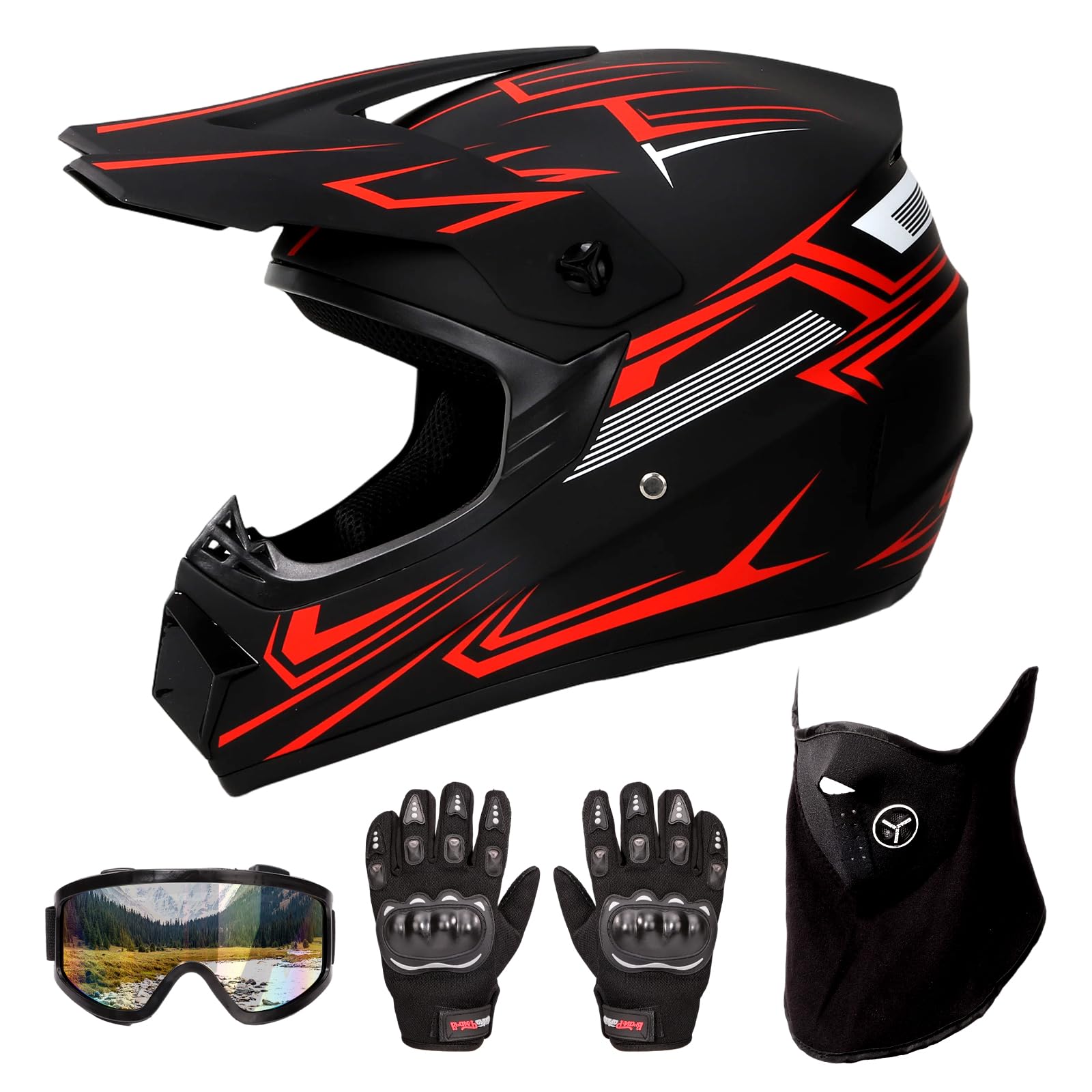 Helmet Helmet |
Bell | Bell Qualifier Full-Face Helmet | Good ventilation and a proven full-face design help in Florida heat while keeping sand and brush off your face. A full-face helmet also makes long dusty sections more comfortable than an open design. | $120-$180 |
| Gloves | Fox Racing | Fox Racing Dirtpaw Gloves | Lightweight gloves with decent protection work well for sandy bars, humid weather, and all-day grip when your hands are sweating. They are a practical match for Florida's warm conditions. | $25-$40 |
| Chest/Upper Body Protection | Alpinestars | Alpinestars Bionic Action Chest Protector | Useful for tighter palmetto-lined trails and roost-heavy group rides. It adds protection without the bulk of colder-climate armor, which matters in Florida humidity. | $130-$180 |
| Terrain-Specific Navigation Item | Garmin | Garmin Tread Powersport Navigator | Florida trail systems can have lots of intersecting sandy routes and forest connectors. A dedicated powersports GPS helps with route tracking, rerouting, and staying inside legal riding areas. | $500-$700 |
| Recovery Item | Rhino USA | Rhino USA Tow Strap Recovery Kit | Soft sand and muddy water holes are common in Florida. A recovery strap is one of the smartest trail items to carry, especially if you ride Croom after rain or explore wetter Ocala sections. | $35-$60 |
| Comfort/Utility Item | CamelBak | CamelBak M.U.L.E. Hydration Pack | Heat and humidity are major factors on Florida rides. A hydration pack is not optional on longer days, and this style is easy to wear while carrying small trail essentials. | $90-$130 |
If your ATV does not already have underbody protection, we also recommend looking into a model-specific skid plate from brands like Ricochet Off-Road or SuperATV, especially if you ride areas with hidden roots and submerged trail edges.
Introduction
If you're searching for the best ATV trails in Florida, you're looking at a riding scene built around sugar sand, pine flatwoods, palmetto scrub, seasonal mud, and long warm-weather riding windows. Florida does not offer the steep alpine climbs or rocky ledges you find out West, but it makes up for that with year-round access, wide-open trail systems, deep sandy corners, and water-filled low spots that can turn an easy day into a real workout.
Riders visit Florida's OHV areas for a few big reasons. First, the state has several purpose-built riding systems with marked trails, staging areas, and permit structures that make planning easier. Second, the terrain is beginner-friendly in some sections while still offering enough loose sand, ruts, and mud to keep experienced riders interested. Third, winter is prime time here, when much of the country is frozen and Florida is still rideable. We researched the most popular public riding systems and focused this guide on the areas that consistently come up when riders talk about the best places to ride an ATV in the state.
Trail Overview

Florida does not have one single signature ATV trail system; instead, the state's best riding is spread across several major OHV areas. For most riders planning a trip, these are the core systems to know:
Croom Motorcycle Area / Withlacoochee State Forest
- Approximate trail mileage: 50+ miles of marked OHV trails plus play areas
- Difficulty: Green to Black
- Elevation: Minimal; mostly flat rolling sand terrain
- Permit: Day pass or annual pass required
- Best season: Late fall through early spring
- Nearest town: Brooksville, Florida
Ocala National Forest OHV Trail System
- Approximate trail mileage: 100+ miles across multiple OHV routes
- Difficulty: Green to Blue, with some Black sections depending on sand and water
- Elevation: Low elevation, gently rolling
- Permit: OHV day use fee or annual pass required
- Best season: Fall, winter, and early spring
- Nearest towns: Deland, Palatka, Silver Springs area, and Umatilla depending on access point
Big Cypress National Preserve OHV trail network
- Approximate trail mileage: Large designated route network; mileage varies by unit and permit area
- Difficulty: Blue to Black
- Elevation: Flat wetland terrain
- Permit: Specific OHV permit and vehicle requirements apply
- Best season: Dry season
- Nearest town: Ochopee, Florida
Apalachicola National Forest / OHV opportunities in the Tallahassee area
- Mileage: Varies by open roads and designated riding opportunities
- Difficulty: Green to Blue
- Elevation: Flat to gently rolling
- Permit: Check current forest rules before travel
- Best season: Cooler months
- Nearest town: Tallahassee, Florida
For most ATV riders, Croom and Ocala are the two most accessible and best-developed choices, so those are the systems we recommend first when planning a Florida trail trip.
Trail Conditions & Terrain
The defining feature of Florida ATV riding is sand. In Croom and Ocala especially, you should expect long stretches of loose sugar sand that can feel easy one minute and energy-draining the next. The top layer often gets churned up by traffic, creating soft bermed corners, whoops, and rutted straightaways. On a heavier ATV, momentum matters. On a smaller machine, rider input matters even more.
In the drier months, trails can be dusty and chopped up. In the wetter months, low areas hold standing water, and puddles are not always shallow. Mud in Florida is often deceptive because a smooth-looking water hole may hide deep soft bottoms. Palmetto roots, exposed tree bases, and hidden ruts can sit just under the surface.
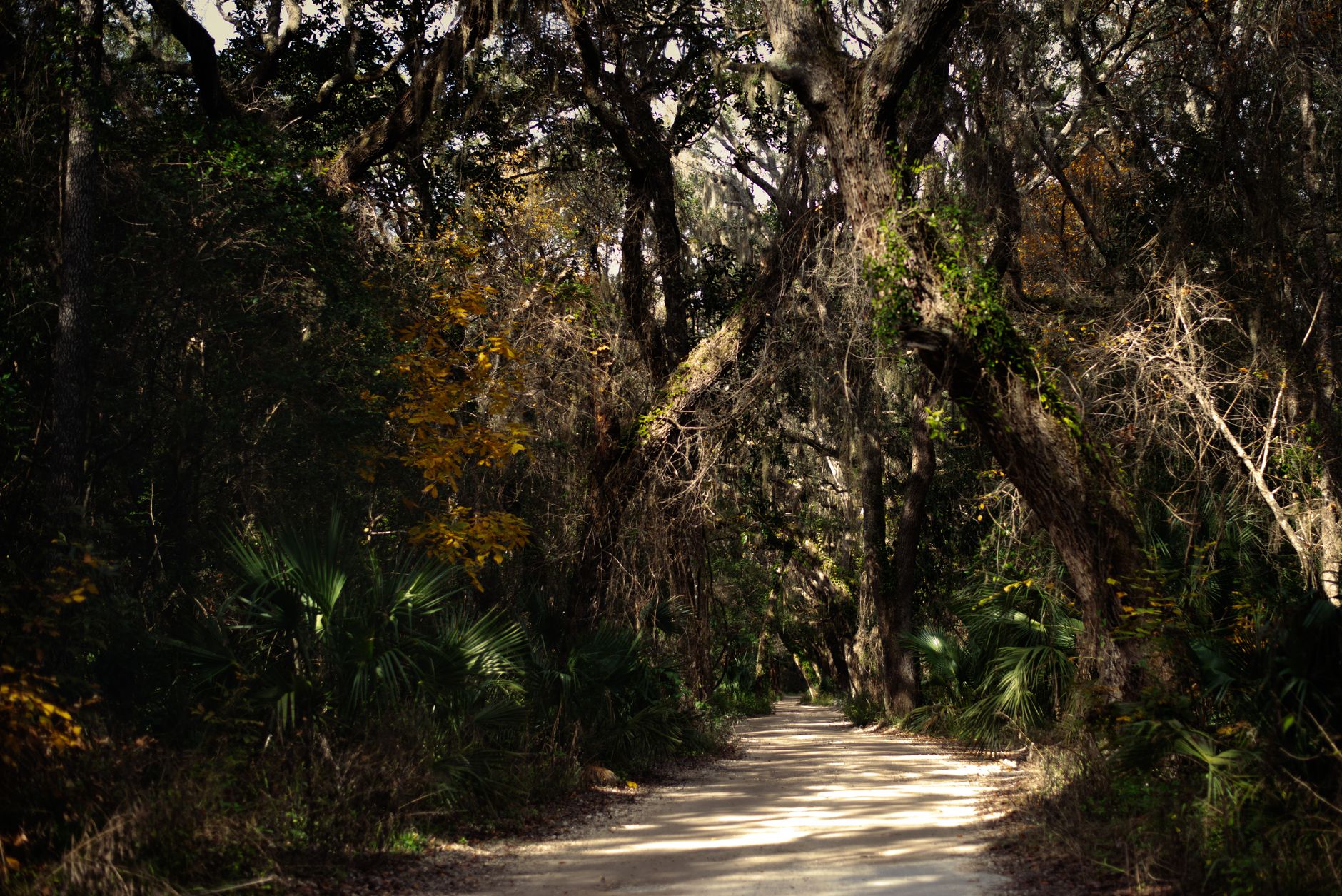
The vegetation also shapes the ride. Much of the trail corridor cuts through pine flatwoods, oak hammocks, scrub, and palmetto thickets. That means sightlines vary. Some sections are open and fast, while others are tighter with brush close to the bars. There are not many major climbs or descents, but the lack of elevation does not mean the ride is effortless. Deep sand can be as tiring as technical rock, especially in Florida heat and humidity.
At Croom, riders typically find a mix of winding single-track style corridors, wider ATV-friendly trails, sand hills, and open practice areas. While Florida is not known for mountains, Croom has enough rolling contour and sand mounds to break up the otherwise flat profile.
At Ocala National Forest, the terrain spreads out more. Riders can encounter long sandy connectors, forest roads, scrub sections, and seasonal wet areas. Some routes feel more scenic and exploratory than technical, but after rain the difficulty rises quickly.
At Big Cypress, conditions become more remote and water-driven. Expect wet ground, mud, and a more backcountry-oriented experience with stricter route rules and more planning required.
Difficulty & Who It's For
Because Florida trail systems vary so much by weather, we recommend thinking about difficulty as both base difficulty and weather-adjusted difficulty.
Green Circle: Beginner-friendly sections
Best for new ATV riders, families, and anyone learning throttle control in sand. These are usually wider, flatter, more traveled trails with fewer surprise obstacles. In dry conditions, some parts of Croom's easier loops and several Ocala routes fit this category.Blue Square: Intermediate riding
This is the most common Florida trail difficulty. Riders should be comfortable with loose sand, moderate ruts, tight turns, standing water, and changing traction. Most regular trail riders will spend the bulk of their day in this range.Black Diamond: Advanced conditions or sections
In Florida, Black-rated riding usually comes from deep churned sand, hidden mud depth, water crossings, high heat, and rider fatigue, not from cliffs or boulder fields. These sections suit experienced riders who can read terrain and recover from getting buried in soft sand or bogged in mud.Double Black Diamond: Rare, condition-dependent challenge
Florida does not have many permanently marked double-black ATV trails in the mountain-state sense, but certain areas can effectively ride at that level after heavy rain or in remote wetland zones. Deep water, isolation, and extraction difficulty are what push these rides into expert territory.
Our rating by system
- Croom Motorcycle Area: Blue overall, with Green and Black pockets depending on loop and conditions
- Ocala National Forest OHV trails: Blue overall, occasionally Black in deep sand or after rain
- Big Cypress OHV routes: Blue-Black overall, best for experienced riders who understand wet terrain and navigation rules
For a first Florida ATV trip, we recommend Croom if you want a more organized OHV park feel, and Ocala if you want more mileage and a broader forest ride experience.
Permits & Access
Permit rules in Florida vary by riding area, so always confirm with the managing agency before loading up. Here is the general picture for the state's most popular systems.
Croom Motorcycle Area
Croom is part of Withlacoochee State Forest and uses a formal OHV pass system. Riders generally need either a day pass or annual pass, and the state has historically offered options through the Florida Forest Service reservation and pass system. Parking is available at the trailhead/staging area, and this is one of the easier Florida systems for first-time visitors to navigate.
Florida also requires that off-highway vehicles used on public lands meet applicable state rules. If your ATV is not already compliant, check current Florida OHV title/registration and public-land access requirements before your trip.
Ocala National Forest OHV Trail System
Ocala's OHV system typically requires a day fee or annual OHV pass for trail use. Riders should also review current trailhead access points, open/closed route updates, and vehicle width rules. Parking is available at designated staging areas, but access points can be spread out, so planning ahead matters.
Big Cypress National Preserve
Big Cypress is more regulated than a casual OHV park. Riders generally need a specific OHV permit, must use an approved vehicle, and may be limited to designated trail units and seasons. Reservations or permit caps may apply depending on the area and current management plan. This is not the place to show up without paperwork.
Reservation and sticker notes
- Parking: Usually available at designated trailheads or OHV staging lots
- Permit costs: Commonly range from daily fees to annual pass pricing, depending on the system
- Reservations: More likely at managed state systems or federally controlled permit areas during busy periods
- OHV stickers/registration: Check Florida's current public-land OHV requirements and the specific land manager's rules before every trip
Because fees and access rules can change, we recommend checking the official pages for Withlacoochee State Forest, Ocala National Forest, and Big Cypress National Preserve the week of your ride.
Tips for Riding This System
- Air down only within safe limits for sand traction. Florida sugar sand often rides better with slightly reduced tire pressure, but stay within your tire and wheel setup's safe range.
- Do not assume puddles are shallow. Standing water can hide deep ruts, roots, or soft bottoms. If you cannot read it, watch another rider or walk it first where allowed and safe.
- Hydrate earlier than you think you need to. Florida humidity drains energy fast, even in winter. Start drinking before the ride, not after you feel cooked.
- Ride early in warm months. Morning rides are usually cooler, less crowded, and easier on both rider and machine.
- Carry a recovery strap even on easy days. In Florida, a small mud hole or soft shoulder can trap a machine quickly, especially if you're on a heavier 4x4 ATV.
- Expect visibility changes. Open sandy stretches can turn into tight palmetto corridors with little warning, so keep speed matched to sightline distance.
- Watch weather closely. Afternoon storms can transform trail conditions in a hurry, especially in summer when lightning and sudden flooding are real concerns.
FAQ
What is the best ATV trail system in Florida for beginners?
We usually recommend Croom Motorcycle Area first for beginners because it is a well-known managed OHV area with a mix of easier trails, staging infrastructure, and a straightforward park-style riding experience.
When is the best time to ride ATV trails in Florida?
The best overall window is late fall through early spring. Temperatures are more manageable, humidity is lower, and the ride is generally more comfortable than peak summer.
Do I need a permit to ride ATVs in Florida OHV areas?
Yes, in most major public riding areas you should expect a day pass, annual pass, or area-specific OHV permit. Big Cypress has especially strict permit rules compared with standard trail systems.
Are Florida ATV trails muddy year-round?
Not always, but many are wet-condition dependent. In dry periods, you may deal mostly with loose sand and dust. After rain, the same routes can develop mud holes, standing water, and much higher extraction risk.
Can I ride an ATV in Ocala National Forest?
Yes, but only in the designated OHV system and under current forest rules. Check the latest access points, fees, and route status before you go.
Get our best guides in your inbox
Final Thoughts
The best ATV trails in Florida are less about elevation and more about terrain management, weather timing, and choosing the right system for your riding style. If you want a classic managed OHV destination, start with Croom. If you want broader forest mileage and a more exploratory ride, look at Ocala National Forest. If you want a more specialized and permit-heavy backcountry experience, research Big Cypress carefully.

Florida can look easy on paper because it is flat, but experienced riders know that deep sand, hidden water, and heat can make these trails more demanding than they first appear. Plan around the season, carry recovery basics, bring hydration, and verify permit rules before every trip. Do that, and you'll understand why so many riders keep coming back to Florida's sandy trail systems year after year.
Top Picks & Comparison
| # | Product | Price | Rating | ||
|---|---|---|---|---|---|
| #1 | |
Peicees 13PCS Motorcycle Set, 5 Dirt Bike Ski Goggles UV Protection Dustproof Windproof Safety Glasses with 8 Skull Face Mask |
$27.99 | (361) | Check Price on Amazon → |
| #2 | |
Motocross Helmet, DOT Approved Dirt Bike Helmet for Off-Road Riding Trail Riding Endurance Racing |
$65.99 | (6) | Check Price on Amazon → |