Arizona Sand Dunes ATV Guide: Where to Ride and What to Bring

Alana Azzouz is a Senior Editor at Searchshop Media Network with over a decade of experience in consumer content quality and editorial standards. She has reviewed thousands of product guides, buying articles, and comp…
Why trust us
BestATVTrails trail guides are researched by riders with decades of powersports experience. Our lead researcher spent 30+ years in powersports retail and has ridden trails across a dozen US states. Every gear recommendation is sourced from real product research matched to specific terrain — not paid placements or generic affiliate lists.

Arizona Sand Dunes ATV Guide: Where to Ride and What to Bring
Gear for This Trail

For Arizona dune riding, we prioritize ventilation, eye protection, hydration, visibility, and sand-specific traction. Below are product picks we recommend based on this terrain and the extreme heat riders can face.
| Gear Type | Brand | Product | Why It Suits Arizona Sand Dunes | Approx. Price |
|---|---|---|---|---|
| Helmet | Bell | Bell Qualifier Full-Face Helmet | A solid value helmet with good ventilation for hot-weather riding and reliable full-face protection for high-speed sand runs. It suits riders who want more coverage than an open-face helmet in roost-heavy dune traffic. | $120-$170 |
| Protective Gear | Alpinestars | Bionic Action Chest Protector | Dune riding means surprise impacts, handlebar hits, and roost from other machines. This protector adds chest and back coverage while staying relatively light and vented for desert conditions. | $130-$180 |
| Gloves | Fox Racing | Dirtpaw Gloves | Affordable, easy to replace, and well suited to sandy riding where grip and bar feel matter. They provide enough protection for branch-free dune terrain without feeling bulky in the heat. | $25-$35 |
| Terrain-Specific Item | CST | CST Ambush Paddle Tire | One of the most useful upgrades for deep loose sand. A paddle tire helps ATVs stay on top of the sand, improves acceleration, and reduces the chance of digging in on climbs. | $90-$160 per tire |
| Navigation / Safety | Garmin | Garmin Tread Powersport Navigator | Open dunes can be disorienting, especially when camp disappears behind bowls. A dedicated off-road GPS helps with camp marking, route tracking, and emergency orientation in low-visibility conditions. | $500-$700 |
| Comfort / Utility | CamelBak | M.U.L.E. Hydration Pack | Arizona heat is the real enemy. A quality hydration pack keeps water accessible without stopping and gives riders room for tools, snacks, and a phone or radio. | $100-$140 |
If you ride a utility ATV in mixed sand and access roads, we also suggest carrying a Tow Strap by Rhino USA in the $30-$45 range. Even experienced riders get buried in soft sand, and a compact recovery strap is one of the simplest tools to keep a dune day from turning into a long dig-out.
Introduction
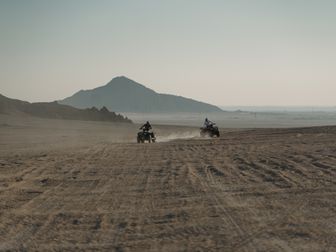
Arizona ATV sand dunes riding is a very different experience from desert two-track or rocky mountain trails. Instead of picking through ledges and washes, we’re dealing with wide-open bowls, steep faces, razorbacks, chopped-up whoops, and deep loose sand that can swallow an underpowered machine in a hurry. Riders come to Arizona’s dune zones for high-speed runs, big views, freestyle terrain, and the kind of throttle-heavy riding that rewards momentum, tire setup, and smart line choice.
While Arizona does not have the same number of massive dune systems as California, it still offers several legitimate sand-riding destinations that attract ATV riders, UTV owners, and dirt bike groups throughout the cooler months. The most talked-about options include the Ehrenberg/Cibola area near the California line, the Yuma-area dunes used by many winter riders, and nearby Imperial Sand Dunes trips that Arizona riders often pair with a cross-border weekend. What makes these areas special is the combination of open riding, camp-friendly staging, and terrain that lets experienced riders stretch out at speed. What makes them challenging is just as important: extreme heat, fast-changing sand surfaces, and the need for the right equipment, especially paddle tires, hydration, and dune-safe safety gear.
Trail Overview

Because riders often search for “Arizona sand dunes” as a category rather than one single signed trail system, we recommend planning around the most practical ATV-accessible dune areas used by Arizona riders.
Key Stats
- Primary riding areas: Ehrenberg Sandbowl and surrounding open sand near Ehrenberg; Yuma-area dunes and open sand zones near the Colorado River corridor; nearby Imperial Sand Dunes Recreation Area for riders willing to cross into California
- Total rideable mileage: No fixed mileage in most dune zones; expect dozens of square miles of open riding rather than numbered trail miles
- Difficulty range: Green to Double-Black, depending on speed, bowl size, chop, visibility, and steep dune faces
- Elevation: Generally near sea level to about 500 feet in western Arizona dune areas
- Permit requirements: Varies by location; Arizona OHV decals may apply on public lands, and some nearby California dune systems require separate permits or passes
- Best season: Late October through March; shoulder season in April can still be hot
- Avoid: Midday summer riding due to dangerous heat and poor machine performance in deep sand
- Nearest towns: Ehrenberg, Quartzsite, Yuma, and Wellton, depending on the dune area you choose
Best-Known Arizona-Accessible Sand Riding Areas
Ehrenberg Sandbowl / Ehrenberg area
Near Interstate 10 and the Colorado River corridor, this is one of the better-known Arizona sand play areas for off-road riders looking for open dune-style terrain.Yuma-area open dunes and sand washes
Riders based in Yuma often use sandy open riding zones and washes on BLM-managed land. These areas can include dune-like sections mixed with flatter desert access.Imperial Sand Dunes Recreation Area (California side)
Not in Arizona, but highly relevant for Arizona riders. It is close enough to western Arizona that many riders researching Arizona ATV sand dunes are really comparing local options against Glamis and Buttercup.
Trail Conditions & Terrain
Arizona dune riding is all about deep, unconsolidated sand. In practical terms, that means traction is inconsistent, braking distances are longer, and every input on the machine feels amplified. A line that looks smooth from a distance may be full of hidden chop, old roost trenches, and sharp transitions on the back side of a crest.
The most common terrain features include:
- Open bowls where riders can make long carving turns and build speed
- Steep dune faces that require commitment and enough momentum to avoid bogging
- Razorbacks and blind crests where visibility becomes the biggest hazard
- Whooped-out approaches near popular camp zones and access routes
- Sand drifts and flatter transition zones that can still trap heavy ATVs if riders roll off the throttle too early
- Mixed desert access sections with hardpack, scattered rock, and scrub on the edges of the sand fields
Unlike forest trail systems, you usually won’t see creek crossings, tight tree corridors, or major elevation gain here. The challenge comes from surface instability and speed rather than technical crawling. Deep sand constantly loads the engine, transmission, and cooling system. Machines run hotter, fuel range drops, and steering can feel vague if tire pressure and tread setup are wrong.
Wind also changes the riding surface quickly. A dune face that was smooth in the morning can develop fresh ridges by afternoon. After busy weekends, popular lines become heavily chopped and harder to ride cleanly. In lower-use periods, the sand may be smoother but visibility can be reduced by windblown dust and blowing sand.
For ATV riders, paddle tires are strongly recommended if you plan to spend most of your day in open dune terrain. On sport quads, they make a dramatic difference in acceleration and climbing. On heavier utility ATVs, they can still help in deep sections, though many riders split time between open dunes and mixed desert approaches, so setup depends on how much pure sand riding you expect.
Difficulty & Who It's For
We rate Arizona dune riding across the full scale because conditions can range from beginner-friendly flats to expert-only high-speed bowls.
Green
Best for: Newer riders, youth riders in supervised areas, and casual ATV owners staying on flatter edges of the dunes.
Green-level dune riding means low-angle sand, open visibility, and moderate speeds. Riders can practice throttle control, wide turns, and momentum management without tackling steep faces.
Blue
Best for: Intermediate riders comfortable standing on the pegs, reading terrain, and maintaining speed in soft sand.
This is where most adult recreational riders will spend their time. Blue terrain includes moderate bowls, rolling transitions, and light chop. Riders need enough confidence to keep momentum and avoid abrupt braking on soft slopes.
Black
Best for: Experienced riders on properly set up machines.
Black-level conditions include steep climbs, rough chopped-up approaches, blind crests, and higher-speed traffic from mixed rider groups. We recommend this level only for riders who understand dune etiquette, line selection, and how to recover from a stalled climb or buried rear end.
Double-Black
Best for: Advanced dune riders only.
This includes aggressive high-speed bowl riding, large steep faces, technical sidehilling in loose sand, and crowded holiday conditions where visibility and traffic conflicts create serious risk. If you are new to dunes, this is not the place to learn.
Permits & Access
Permit rules depend on the exact riding area, so we always recommend checking the current land manager before your trip. In western Arizona, many sand and desert riding zones fall under BLM management or mixed public land access.
Arizona OHV Requirements
In Arizona, ATVs and other qualifying off-highway vehicles typically need a current Arizona OHV Decal if they are designed primarily for off-highway use and operated on public lands. Riders also need valid registration or title documentation as required by the state. If your machine is street-legal or registered in another state, your requirements may differ, so confirm through the Arizona Game and Fish Department OHV program and Arizona MVD before riding.
Parking and Staging
Most dune-access riding in western Arizona uses informal staging areas, open desert pullouts, or designated BLM access points rather than developed trailhead parking lots. That means:
- Arrive with extra fuel and water
- Do not assume shade, restrooms, or trash service
- Park clear of access roads and camp lanes
- Check whether the area is open to overnight camping
Permit Costs
- Arizona OHV Decal: commonly around $25 annually, but verify current fees before travel
- BLM access: many Arizona open riding areas do not require a separate day-use reservation, though rules can change by site
- California dunes nearby: if you ride places like Imperial Sand Dunes or Buttercup, separate fees, permits, or seasonal rules may apply
Reservations
For most Arizona-side dune access, reservations are usually not required. Holiday weekends are the exception in practice, not because of booking systems, but because crowding can make staging space and camping spots harder to find. We recommend arriving early if you plan to camp.
Tips for Riding This System
Run the right tires for your plan. If most of your day will be in pure dunes, paddle tires are worth it. Mixed hardpack approaches may call for a compromise setup, but deep sand punishes standard tires.
Ride early and quit before peak heat. In Arizona, dune conditions can still be good after sunrise, but machine temps and rider fatigue spike fast by midday.
Never crest blind at speed. Other riders may be parked, climbing, or crossing just out of sight. Approach every ridge as if someone is on the other side.
Carry more water than you think you need. We recommend hydration on your body, plus reserve water back at camp or in the truck. Heat stress happens quickly in full gear.
Use a flag if the area or your riding group expects one. Even where not strictly required on the Arizona side, a whip flag improves visibility in bowls and behind crests.
Watch your fuel range. Deep sand burns noticeably more fuel than trail riding. Small sport quads can surprise riders with how quickly they run low.
Mark camp digitally. In open dunes, landmarks shift and everything can look the same after a few miles. A GPS waypoint can save a lot of wandering at the end of the day.
FAQ
Where are the best Arizona ATV sand dunes?
The most commonly discussed Arizona-accessible dune riding areas are around Ehrenberg and the Yuma/western Arizona corridor, with many riders also comparing them to or combining them with trips to the Imperial Sand Dunes Recreation Area just across the California border.
Do we need an Arizona OHV sticker to ride the dunes?
In many cases, yes. If your ATV qualifies as an off-highway vehicle and you are riding on Arizona public land, you will generally need a current Arizona OHV Decal along with proper registration documentation. Check current state rules before your trip.
Are paddle tires necessary for Arizona sand dunes?
They are not always legally required, but for deep loose sand and steep dune faces, we strongly recommend them. Paddle tires improve flotation, acceleration, and climbing performance, especially on sport ATVs.
What is the best time of year to ride Arizona dunes?
The best season is late fall through early spring, especially November through March. Summer heat in western Arizona is extreme and can create serious safety risks for both riders and machines.
Get our best guides in your inbox
Final Take
Arizona’s dune riding is less about marked trail mileage and more about choosing the right sand area, showing up with the right setup, and respecting how quickly conditions can turn serious. For riders who want high-speed runs, open bowls, and a break from rocky desert trails, the best Arizona ATV sand dunes deliver a completely different kind of off-road day.

Final Take
Arizona’s dune riding is less about marked trail mileage and more about choosing the right sand area, showing up with the right setup, and respecting how quickly conditions can turn serious. For riders who want high-speed runs, open bowls, and a break from rocky desert trails, the best Arizona ATV sand dunes deliver a completely different kind of off-road day.
5.99★★★★★ (82)Check Price on Amazon →We recommend planning around cooler months, confirming land access before departure, and treating sand-specific gear as essential rather than optional. A ventilated helmet, chest protection, hydration pack, GPS, and paddle tire setup will do more for your day than almost any horsepower upgrade. When the weather is right and the machine is set up properly, Arizona dune riding can be one of the most exciting ATV experiences in the Southwest.
Top Picks & Comparison
| # | Product | Price | Rating | ||
|---|---|---|---|---|---|
| #1 | |
ATV Trails Guide Arizona Phoenix Region |
$15.99 | (82) | Check Price on Amazon → |
| #2 |  |
Frommer's Arizona and the Grand Canyon (Complete Guides) |
$19.09 | (21) | Check Price on Amazon → |
| #3 |  |
Your Complete Guide to the Arizona National Scenic Trail |
$15.03 | (193) | Check Price on Amazon → |
| #4 |  |
Arizona Highways Camping Guide: 100 of Arizona's Best Campgrounds |
$15.99 | (39) | Check Price on Amazon → |