Bulldog Canyon OHV Area: Phoenix ATV Trail Guide

Alana Azzouz is a Senior Editor at Searchshop Media Network with over a decade of experience in consumer content quality and editorial standards. She has reviewed thousands of product guides, buying articles, and comp…
Why trust us
BestATVTrails trail guides are researched by riders with decades of powersports experience. Our lead researcher spent 30+ years in powersports retail and has ridden trails across a dozen US states. Every gear recommendation is sourced from real product research matched to specific terrain — not paid placements or generic affiliate lists.

Bulldog Canyon OHV Area: Phoenix ATV Trail Guide
Gear for This Trail

For Bulldog Canyon, we recommend gear that addresses heat, dust, rock impacts, navigation, and self-recovery. Below are practical product picks that match this terrain and are widely available online.
| Gear Type | Brand | Product | Why It Suits Bulldog Canyon | Approx. Price |
|---|---|---|---|---|
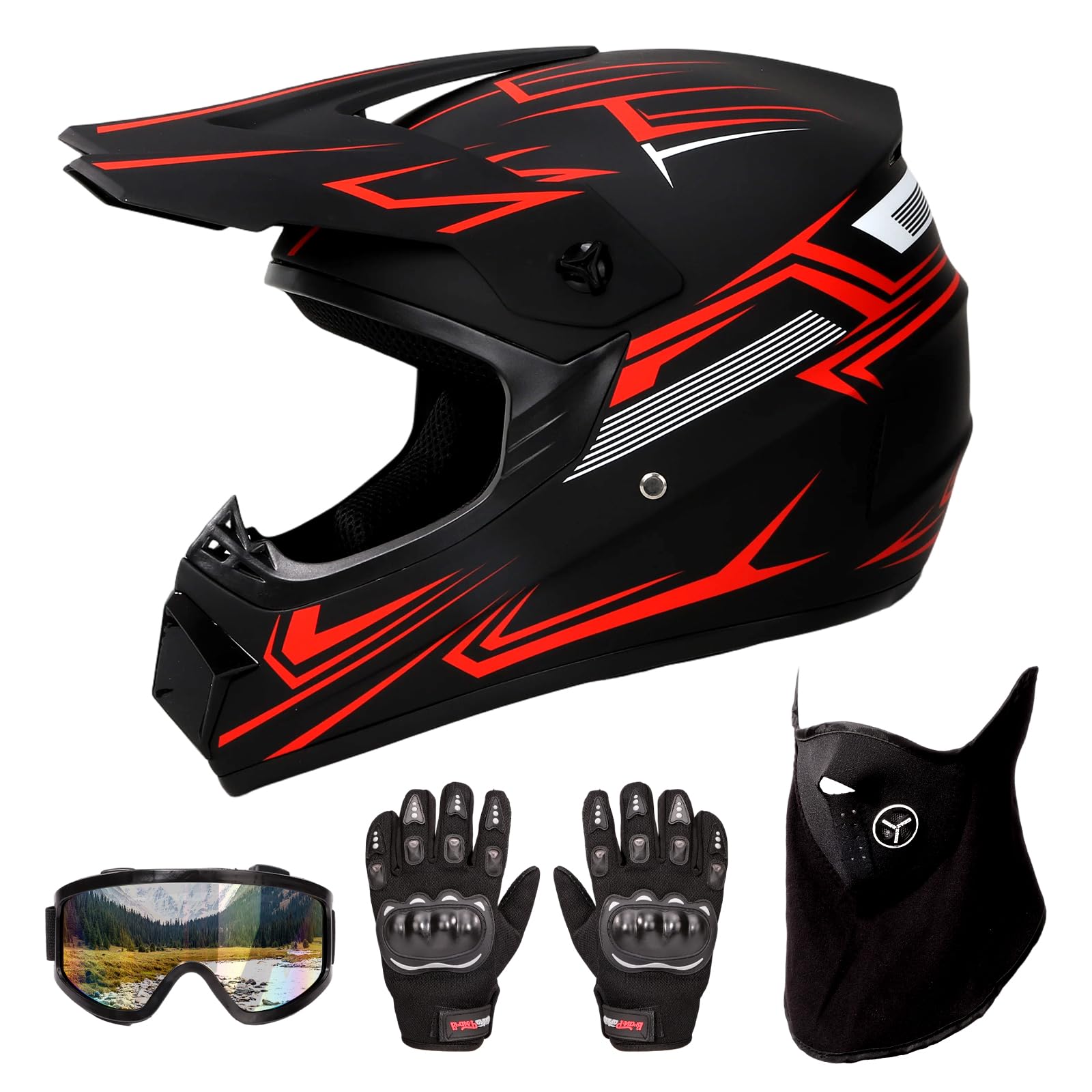 Helmet Helmet |
Bell | Qualifier Full-Face Helmet | A full-face helmet makes sense here because Bulldog Canyon is dusty, rocky, and often windy. The Qualifier is a known entry-level option with good coverage for desert roost and branch contact. | $120-$160 |
| Gloves / Protective Gear | Fox Racing | Dirtpaw Gloves | Rocky bars, vibration, and dry heat call for gloves with grip and light protection. Dirtpaw gloves work well for ATV riders who want better control on washboard and loose rock without overly bulky insulation. | $25-$40 |
| Chest / Upper Body Protection | Alpinestars | Bionic Action Chest Protector | This trail has enough rock, ledges, and hard desert surfaces that added torso protection is worth considering, especially for newer riders or faster group rides. It is a strong fit for open desert use. | $130-$180 |
| Terrain-Specific Navigation Item | Garmin | Tread Powersport GPS | Bulldog Canyon uses designated routes and gate access, so reliable navigation matters. A Garmin Tread helps riders keep track of route numbers, waypoints, and access points in a place where cell service can be inconsistent. | $500-$700 |
| Recovery / Utility Item | Rhino USA | Recovery Tow Strap | Sandy wash sections and loose rock can leave a machine stuck or awkwardly positioned. A tow strap is one of the simplest and most useful recovery items for this trail system, especially when riding with a partner. | $30-$45 |
| Comfort / Hydration Item | CamelBak | M.U.L.E. Hydration Pack | Minimal shade and dry air make hydration non-negotiable. A hydration pack keeps water accessible while riding and reduces the temptation to wait too long between drinks. | $100-$130 |
A few optional upgrades also make sense here: a skid plate if your ATV is lightly protected from the factory, a compact tire repair kit for sharp rock, and a small 12V air compressor for pressure adjustments and puncture response.
Introduction
Bulldog Canyon ATV trails are one of the most convenient desert riding options for off-roaders based in the Phoenix metro. Set in the Tonto National Forest near Mesa and Apache Junction, this OHV area gives riders a mix of rocky jeep roads, sandy washes, loose desert climbs, and classic Sonoran scenery without needing a long haul into remote Arizona backcountry. For many riders, the draw is simple: it is close to town, scenic, legal to ride with the right permit, and varied enough to keep a half-day or full-day trip interesting.
We researched Bulldog Canyon as a practical trail system for ATV and side-by-side riders who want quick access to desert terrain and a route network that feels rugged without being a full expedition. Expect dry conditions, heat for much of the year, very limited shade, and surfaces that can change from packed dirt to sharp embedded rock in a short stretch. If you ride here, preparation matters. Water, route planning, and the right permit are just as important as traction and ground clearance.
Trail Overview

Bulldog Canyon OHV Area is a designated motorized route system in the Tonto National Forest on the northeast side of the Valley.
- Location: Near Mesa / Apache Junction, Arizona
- Nearest town: Apache Junction, with Mesa also close for fuel, food, and supplies
- Approximate route mileage: About 20 miles of designated motorized routes, depending on how you connect spurs and turnaround points
- Difficulty range: Green to Black depending on route choice, vehicle width, recent erosion, and rider experience
- Elevation: Roughly 2,000 to 3,000 feet
- Trail type: Desert jeep roads, OHV routes, rocky climbs, washes, and connectors
- Permit required: Yes — a free Bulldog Canyon OHV Permit from Tonto National Forest is required for motorized entry through the gate system
- OHV sticker required: Arizona OHV decal requirements apply for eligible vehicles operated off-highway in the state
- Best season: Late fall through early spring
- Summer riding: Possible, but only with strong heat planning; conditions are hot, dry, and exposed
The system is known for several gated access points and designated route numbers rather than a single loop trail. Riders often use entries near Usery Pass and connect routes through the canyon network for scenic out-and-back rides.
Trail Conditions & Terrain
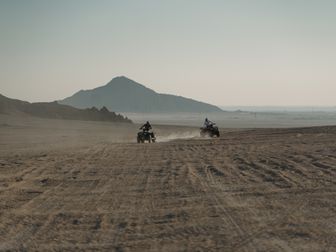
Bulldog Canyon rides like a classic lower-elevation Arizona desert system. The terrain is not muddy forest singletrack or smooth graded gravel. Instead, riders should expect a combination of rocky two-track, decomposed granite, loose baby-head rock, hardpack, ledges, wash bottoms, and erosion ruts.
A lot of the route character comes from the jeep-road layout. These roads were built for high-clearance travel, so many sections are wide enough for larger machines, but width does not mean easy. Embedded rock can create a constant chop, and some climbs develop loose, stair-stepped surfaces that demand careful throttle control. In dry weather, traction changes quickly between sandy corners and rock shelves.
The area includes desert washes that may be mostly dry but still present challenges. Soft sand can bog down heavier ATVs if tire pressure, momentum, or line choice are poor. Wash entries and exits may also be cut up after storms. During monsoon season or after rain, runoff can reshape the surface fast, creating fresh ruts, undercut edges, and rockfall in places that were smoother a week earlier.
Grades are generally moderate, but some pitches feel more technical because of loose rock and off-camber lines. You will also find tight turns between desert vegetation, shallow ledges, and occasional shelfy sections where suspension setup matters. This is not a route system with major water crossings, but flash-flood drainage is part of the landscape. If storms are in the forecast, avoid low wash sections and narrow drainage corridors.
Shade is minimal. The Sonoran desert setting means open exposure, reflective rock heat, and dry air. Even in cooler months, riders can dehydrate faster than expected. In warmer months, machine temperatures, tire wear, and rider fatigue all rise quickly. Dust can also be a factor, especially on weekends when traffic increases.
Scenically, Bulldog Canyon delivers broad views of the Superstition-region desert, saguaro-covered hillsides, and rugged canyon walls. It feels close to Phoenix but still distinctly wild.
Difficulty & Who It's For
We rate Bulldog Canyon as a mixed Green/Blue system with Black features depending on route and conditions.
Green
The easier sections suit newer ATV riders who already understand basic desert riding. These roads are typically wider, less steep, and more predictable, though they still include loose rock and washboard. A beginner on a utility ATV can enjoy these sections if they ride conservatively and avoid the rougher spurs.
Blue
Most riders will experience Bulldog Canyon as Blue overall. This is the sweet spot for intermediate riders who are comfortable with uneven rock, mild ledges, loose climbs, and wash transitions. If you have ridden desert jeep roads before and know how to pick lines, manage momentum, and descend under control, this level will feel appropriate.
Black
Certain climbs, eroded connectors, and rougher rock sections can ride as Black, especially after storms. These stretches are better for experienced riders with good ground clearance, solid throttle control, and confidence on loose, technical surfaces. A fully loaded side-by-side or a novice rider may find these sections tiring.
Double-Black
We would not classify the main designated Bulldog Canyon ATV trails as consistent Double-Black terrain. However, heat exposure, remoteness from quick recovery help in some sections, and storm damage can raise the overall seriousness. In summer, even moderate routes can become high-consequence because of dehydration risk and mechanical stress.
Best fit:
- Beginner: Only on easier route segments, with a map, cooler weather, and a conservative plan
- Intermediate: Excellent fit
- Advanced: Good for a short technical desert ride close to Phoenix, though not an extreme rock-crawling destination
- Family groups: Possible if everyone is prepared, permitted, and stays on easier designated roads
Permits & Access
Bulldog Canyon is not a show-up-and-ride area in the casual sense. You need a permit to enter.
The key requirement is the free Bulldog Canyon OHV Permit issued by the Tonto National Forest. This permit is tied to the gated access system and is required for motorized use in the area. Riders typically obtain it through the Tonto National Forest permit process, which may involve selecting an access date and receiving gate combination details and route rules. Because procedures can change, we recommend checking the official Tonto National Forest site before your trip.
Access points and gates
Bulldog Canyon uses locked gates at designated entry points. Commonly used access is on the Mesa/Apache Junction side near the Usery Pass region. The permit process provides the details you need for legal gate entry.
Parking
Parking is generally available near access points, but capacity can be limited on busy weekends. Arrive early, especially in cooler months when Phoenix-area riders are most active. Use only legal staging and parking areas, and do not block gates or roads.
Permit cost
- Bulldog Canyon OHV Permit: Free
Reservation requirements
The permit system functions like a controlled access system rather than open, unrestricted entry. Depending on current forest procedures, you may need to request your permit in advance. We recommend not waiting until the morning of your ride.
Arizona OHV decal and registration
If your machine qualifies as an OHV in Arizona, you generally need a valid Arizona OHV decal and registration as required by state law. Out-of-state riders should verify reciprocity and state requirements before riding.
Stay on designated routes
This is especially important at Bulldog Canyon. The area is managed through a designated route system, so cross-country travel is not allowed. Carry your permit information and follow route restrictions closely.
Tips for Riding This System
- Start early, even in spring and fall. Bulldog Canyon heats up fast after sunrise, and the lack of shade makes midday feel much hotter than the thermometer suggests.
- Download maps and save gate details before you leave home. Do not rely on cell service for permit access instructions or route finding once you are near the trail.
- Bring more water than you think you need. For desert rides near Phoenix, we recommend planning aggressively on hydration, especially if you expect mechanical stops or photo breaks.
- Watch for storm damage in washes and drainages. Monsoon runoff can cut new ruts, expose larger rock, or alter entrances to familiar route segments.
- Air pressure and line choice matter here. Loose rock and wash sections reward a controlled pace and thoughtful tire setup more than raw speed.
- Ride with a partner if possible. A simple tow strap and another machine can turn a frustrating wash extraction or mechanical issue into a quick fix.
- Respect closures and route designations. Bulldog Canyon is a managed access area close to a major metro region, and responsible riding helps keep it open.
FAQ
Do you need a permit for Bulldog Canyon OHV Area?
Yes. A free Bulldog Canyon OHV Permit from Tonto National Forest is required for motorized entry through the gate system.
Are Bulldog Canyon ATV trails good for beginners?
Some easier sections can work for beginners, but we recommend that true first-timers ride with an experienced partner. The mix of rock, washes, heat, and route management makes this better for confident beginners or intermediate riders.
Can you ride Bulldog Canyon in summer?
You can, but we do not recommend it for most riders unless you start very early and prepare carefully. Extreme heat, low shade, and dehydration risk make summer the hardest season here.
Is Bulldog Canyon open to side-by-sides and jeeps too?
Yes, the area is known for motorized routes used by OHVs and high-clearance 4x4 vehicles, but all users must follow current Tonto National Forest rules, permit requirements, and designated route restrictions.
Get our best guides in your inbox
Final Thoughts
Bulldog Canyon stands out because it delivers legal, scenic desert riding close to Phoenix without feeling like a city park lap. The route system gives ATV riders a solid mix of accessible jeep-road travel, rocky technical moments, and classic Sonoran wash terrain. It is not the biggest OHV destination in Arizona, but for a half-day run or a cool-season weekend ride, it fills an important niche.
From our research, the riders who enjoy Bulldog Canyon most are the ones who treat it like a real desert outing rather than a quick local spin. Secure the permit, carry extra water, load your map, and expect rocks, dust, and exposure. Do that, and this trail system can be one of the most rewarding close-to-town ATV rides in the Phoenix area.
For more Arizona route research and off-road gear picks, BestATVTrails focuses on practical trail guides built for riders who want to plan smarter before they unload.
Top Picks & Comparison
| # | Product | Price | Rating | ||
|---|---|---|---|---|---|
| #1 | |
Motocross Helmet, DOT Approved Dirt Bike Helmet for Off-Road Riding Trail Riding Endurance Racing |
$65.99 | (6) | Check Price on Amazon → |
| #2 |  |
Fly Racing Patrol Off-Road Gear Set - (Over the Boot) Pant and Jersey for MX, ATV and Off-Road Riding |
$224.89 | (2) | Check Price on Amazon → |