ATV Trail Etiquette: Rules Every Rider Should Know

Salem Hassan founded Travelcamp RV and brings 30+ years of hands-on RV, marine, and powersports retail experience to every review.
Why trust us
BestATVTrails trail guides are researched by riders with decades of powersports experience. Our lead researcher spent 30+ years in powersports retail and has ridden trails across a dozen US states. Every gear recommendation is sourced from real product research matched to specific terrain — not paid placements or generic affiliate lists.

ATV Trail Etiquette: Rules Every Rider Should Know
Knowing the right ATV trail etiquette rules riders should follow is just as important as bringing the right gear. Good manners on the trail help us avoid accidents, reduce damage to the land, and keep riding areas open for everyone. Whether we ride public trail systems, private land, or mixed-use routes shared with hikers, horses, and UTVs, trail etiquette is part of responsible off-roading.
At BestATVTrails, we recommend treating every ride like we are guests on the land. That mindset makes the rules easier to follow and helps protect access for future riders.
Trail Etiquette Gear Comparison Table

| Rank | Product | Category | Approx. Price | Best For | Key Benefit |
|---|---|---|---|---|---|
| 1 | Bell Qualifier Helmet | Helmet | $120-$170 | Everyday trail riders | Reliable protection and comfort |
| 2 | Fox Racing Main Goggles | Goggles | $25-$45 | Dusty and wooded trails | Clear vision and debris protection |
| 3 | Alpinestars Tech 3 Boots | Riding boots | $220-$300 | Riders wanting more lower-leg support | Better protection when riding rough terrain |
| 4 | Tusk First Aid Kit | Emergency gear | $25-$50 | Group rides and remote trails | Helps us handle minor injuries fast |
| 5 | WARN Epic Snatch Block | Recovery gear | $50-$90 | Riders carrying winch gear | Safer recoveries with less trail damage |
Why ATV Trail Etiquette Matters
Trail etiquette is not about being overly formal. It is about safety, respect, and long-term trail access.
When riders ignore basic etiquette, a few common problems happen fast:
- Dust and noise create conflict with nearby riders and landowners
- Trail damage leads to closures and expensive maintenance
- Unsafe passing and speeding increase crash risk
- Litter and careless behavior give ATV riders a bad reputation
- Wildlife and livestock get disturbed unnecessarily
The better we ride, the better chance we have of keeping trails open.
Core ATV Trail Etiquette Rules Every Rider Should Follow

Stay on Marked Trails
One of the most important rules is simple: stay on designated routes. Cutting switchbacks, making new paths, or riding around barriers can damage vegetation, increase erosion, and violate local regulations.
If a trail is muddy, flooded, or blocked, we should turn around or use an approved bypass instead of creating a new line.
Slow Down Near Others
Speed is one of the biggest sources of trail conflict. We recommend slowing down whenever we approach:
- Other ATVs or UTVs
- Hikers and mountain bikers
- Campgrounds and trailheads
- Horses or pack animals
- Blind corners and narrow sections
Riding at a controlled speed gives us more time to react and makes us look like responsible users rather than reckless ones.
Yield the Right Way
Different trail systems may post specific yield rules, so we should always follow local signage first. In general, riders should:
- Yield to non-motorized users when required
- Slow down and give horses extra space
- Pull over safely when visibility is limited
- Wait for a clear signal before passing
Horses deserve special caution. Sudden throttle, revving, or quick movement can spook them. When we see riders on horseback, it is smart to stop, idle quietly, and ask how they would like us to pass.
Pass Only When It Is Safe
Passing on the trail should never feel aggressive. Before passing another rider, we should:
- Wait for a straight, visible section
- Signal our presence without crowding them
- Pass slowly and with plenty of room
- Avoid spraying dust, mud, or rocks
If we are the slower rider, it is good etiquette to let faster groups by when there is a safe place to do it.
Keep Noise Under Control
Loud exhaust may sound exciting for a moment, but it is one of the fastest ways to trigger complaints. Excessive noise affects wildlife, nearby homes, campsites, and everyone else on the trail.
We recommend using a legal spark arrestor and a properly maintained exhaust system. If our machine is much louder than stock, it is worth checking local sound rules before riding.
Pack Out What We Pack In
Nothing hurts rider reputation faster than trash left at trailheads or campsites. Every rider should carry out:
- Food wrappers
- Bottles and cans
- Broken gear or parts
- Zip ties, oil containers, and shop rags
If we see litter and can safely pick it up, doing so helps the entire riding community.
Respect the Trail Surface
Avoid Spinning Tires Unnecessarily
Roosting dirt may look fun, but on public trails it often creates ruts, loosens the surface, and throws debris at other riders. Excessive wheelspin also accelerates trail wear.
We recommend smooth throttle control, especially on climbs, corners, and wet ground.
Ride Through Water Crossings Carefully
If a trail includes a legal water crossing, enter slowly and stay in the established route. Splashing through creek banks or widening the crossing damages the area and can affect water quality.
If the crossing looks deeper or faster than expected, it is better to stop and assess than force it.
Do Not Ride on Closed or Soft Trails
Seasonal closures exist for a reason. Wet spring trails, fire-damaged areas, and restoration zones are often especially vulnerable. Ignoring closure signs can lead to fines and future restrictions for everyone.
Be Courteous at Trailheads and Staging Areas
Good etiquette starts before the ride.
Keep the Area Organized
At parking lots and staging areas, we should:
- Park without blocking trailers or access roads
- Keep gear contained to our own space
- Load and unload efficiently
- Avoid long idle times near others
Check Machines Before Entering the Trail
A quick pre-ride inspection helps prevent breakdowns and trail delays. We recommend checking:
- Tire pressure
- Fuel level
- Brakes
- Lights if required
- Oil or coolant leaks
- Recovery gear and tool kit
A leaking ATV or loose cargo can create hazards for the next rider on the trail.
Ride Responsibly in Groups
Group rides are fun, but they need structure.
Leave Space Between Riders
Following too closely reduces reaction time and increases dust exposure. Staggering or spacing out the group helps everyone ride more safely.
Match the Pace to the Least Experienced Rider
A good group does not pressure beginners into riding above their comfort level. We recommend setting a realistic pace and stopping at intersections so nobody gets separated.
Communicate Clearly
Hand signals, helmet communicators, or pre-planned stop points make group riding smoother. Before leaving, it helps to agree on:
- The route
- Lead and sweep riders
- Emergency contacts
- Fuel and rest stops
Respect Private Property and Local Communities
Not every trail runs through remote public land. Some routes pass near homes, farms, gates, or working land.
When riding near private property, we should:
- Stay on legal access routes
- Leave gates as we found them if local rules allow passage
- Avoid revving near homes or livestock
- Never assume open land means open access
If a route crosses private land with permission, that access can disappear quickly if riders abuse it.
Safety Gear That Supports Better Trail Etiquette
Etiquette and safety go together. Better-equipped riders usually make better decisions because they are prepared, visible, and less likely to create problems for others.
Below is a quick comparison of useful Amazon-available gear that supports safer, more courteous trail riding.
Ranked Product Picks
1. Bell Qualifier Helmet
A quality helmet is the most important piece of riding gear, and the Bell Qualifier remains a popular value option.
Pros
- Recognizable brand with strong value
- Good ventilation for trail riding
- Widely available sizes and colors
Cons
- Can feel heavier than premium helmets
- Noise control is not as refined as higher-end models
Who It's For
We recommend it for riders who want dependable head protection without jumping into premium pricing.
2. Fox Racing Main Goggles
Good vision helps us spot riders, trail signs, and hazards earlier, which directly supports better etiquette.
Pros
- Affordable and easy to replace
- Good dust and roost protection
- Comfortable fit with many helmets
Cons
- Basic lens features compared to premium models
- May fog more easily in certain conditions
Who It's For
This is a practical pick for casual and intermediate riders who want reliable eye protection on a budget.
3. Alpinestars Tech 3 Boots
Supportive boots make it easier to stay in control on rutted, rocky, or uneven trails.
Pros
- Strong ankle and shin protection
- Durable sole and buckle design
- Trusted off-road brand
Cons
- More expensive than entry-level boots
- Stiffer feel at first
Who It's For
We recommend these for riders who spend long days on rough trails and want more support than basic work boots can provide.
4. Tusk First Aid Kit
Prepared riders create fewer problems for everyone else. A compact first aid kit is easy to carry and useful on nearly every ride.
Pros
- Compact and trail friendly
- Good value for the price
- Useful for solo or group rides
Cons
- Supplies are basic
- May need customization for longer trips
Who It's For
This kit is a smart choice for riders building a simple emergency setup for day trips.
5. WARN Epic Snatch Block
Recovery done the right way prevents torn-up trails and unsafe improvisation.
Pros
- Durable construction
- Useful for controlled winch recoveries
- Trusted recovery brand
Cons
- Only useful if we already carry winch gear
- Adds cost to a full recovery setup
Who It's For
We recommend it for riders who travel in muddy or technical terrain and want a more complete, safer recovery kit.
Simple Trail Etiquette Checklist Before Every Ride
Before heading out, we recommend running through this quick list:
- Confirm the trail is open and legal to ride
- Check local rules for speed, spark arrestors, and permits
- Inspect the ATV for leaks, loose parts, and tire condition
- Bring helmet, eye protection, water, and basic emergency gear
- Review group communication and route plans
- Commit to staying on marked trails and respecting other users
Common Mistakes to Avoid
Even experienced riders can slip into bad habits. The most common etiquette mistakes include:
- Riding too fast near others
- Blocking the trail during breaks
- Revving engines unnecessarily
- Littering or leaving broken parts behind
- Riding around closures or barriers
- Pressuring less experienced riders
Avoiding these mistakes goes a long way toward being the rider others want to share the trail with.
Final Thoughts
ATV trail etiquette is really about respect: respect for the land, for other trail users, and for the future of the sport. When we ride responsibly, slow down around others, stay on legal routes, and carry the right gear, we help protect both safety and access.
The best riders are not just skilled on the throttle. They are also the ones who leave the trail in good shape and make the experience better for everyone else.
FAQ
What is the most important ATV trail etiquette rule?
The most important rule is to stay on marked, legal trails. It protects the land, reduces conflict, and helps keep riding areas open.
Should ATV riders always yield to hikers and horses?
Many trail systems require motorized users to yield to non-motorized users, especially horses. We should always check posted local rules and slow down well in advance.
Is loud exhaust considered bad trail etiquette?
Yes. Excessive noise is one of the biggest complaints against off-road riders. A legal, well-maintained exhaust is the better choice for shared trails.
What should we do if we catch up to a slower rider?
We should wait for a safe passing area, signal politely, and pass only when there is enough room and visibility. Never crowd or pressure the rider ahead.
Why does trail etiquette matter if the trail is already open to ATVs?
Open access can still be restricted or closed if riders create safety issues, noise complaints, litter, or environmental damage. Good etiquette helps preserve access long term.
Get our best guides in your inbox
Top Picks & Comparison
| # | Product | Price | Rating | ||
|---|---|---|---|---|---|
| #1 | |
2026 Maine ATV Trail Map Atlas |
$49.99 | — | Check Price on Amazon → |
| #2 | 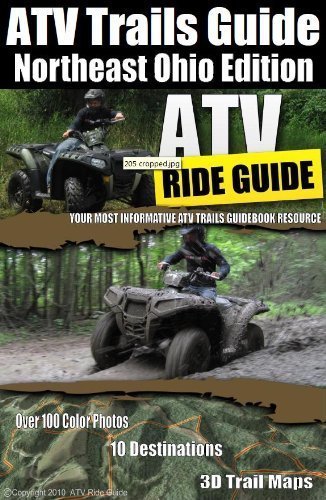 |
ATV Trails Guide (Northeast Ohio Edition) |
— | (2) | Check Price on Amazon → |