Best ATV Riding Near Los Angeles: OHV Areas and Trail Systems (2026)

Alana Azzouz is a Senior Editor at Searchshop Media Network with over a decade of experience in consumer content quality and editorial standards. She has reviewed thousands of product guides, buying articles, and comp…
Why trust us
BestATVTrails trail guides are researched by riders with decades of powersports experience. Our lead researcher spent 30+ years in powersports retail and has ridden trails across a dozen US states. Every gear recommendation is sourced from real product research matched to specific terrain — not paid placements or generic affiliate lists.

Best ATV Riding Near Los Angeles: OHV Areas and Trail Systems
Gear for This Trail

Southern California desert and foothill riding puts a premium on ventilation, impact protection, dust management, navigation, and hydration. We recommend choosing gear that works in high heat and abrasive terrain rather than cold-weather woods riding.
| Gear Type | Brand | Product | Why it suits these trails | Approx. Price |
|---|---|---|---|---|
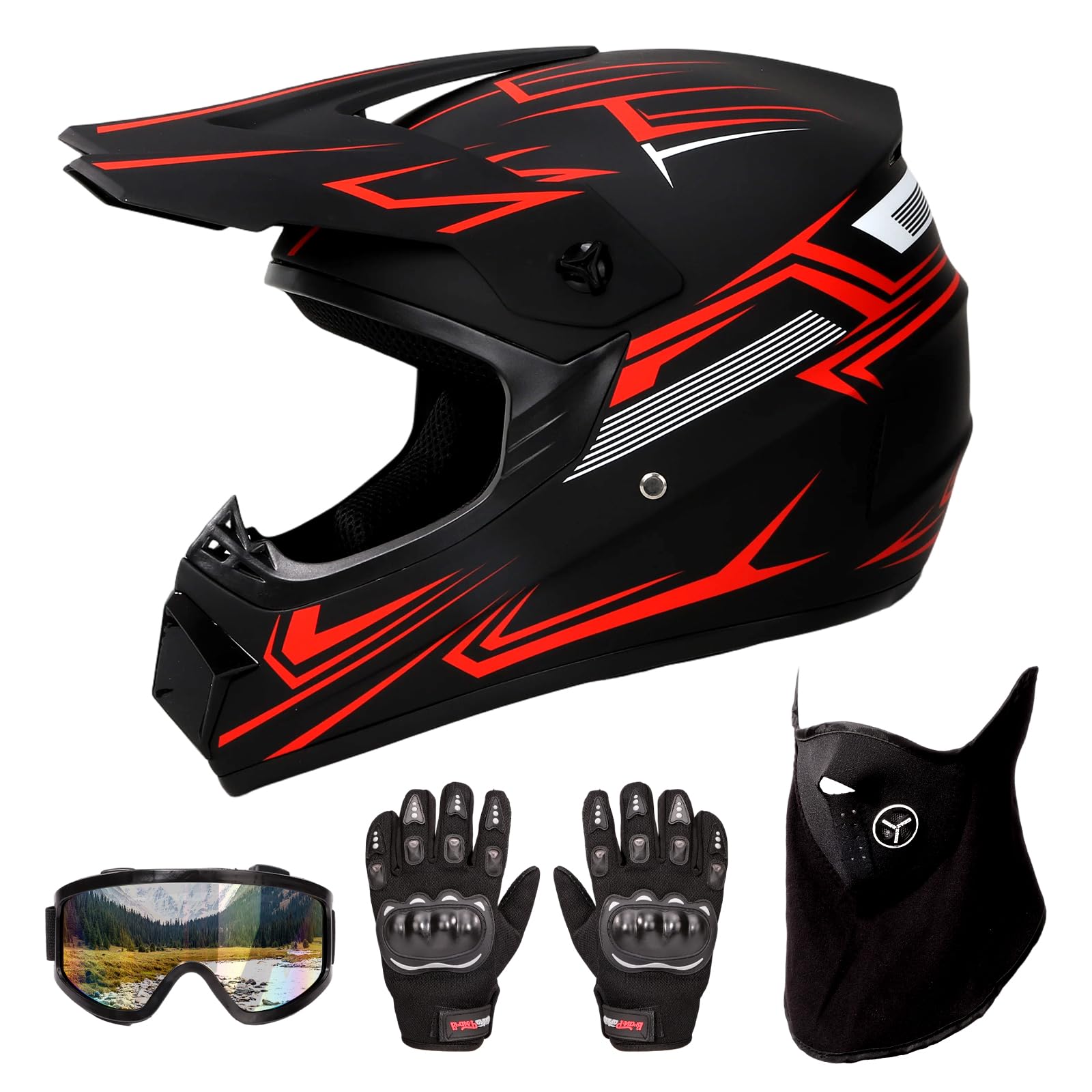 Helmet Helmet |
Bell | Bell Qualifier Full-Face Helmet | A solid value helmet for dusty, fast Southern California OHV riding. The full-face design helps with roost, branches, and wind on open desert connectors near Jawbone. | $120-$180 |
| Protective gear | Alpinestars | Alpinestars Bionic Action Chest Protector | Useful for Rowher Flat's rocky climbs and Hungry Valley's rougher hill sections where tip-overs happen. It adds chest and back coverage without being overly bulky for warm-weather riding. | $130-$180 |
| Gloves | Fox Racing | Fox Dirtpaw Gloves | Good grip and basic knuckle protection for dry bars, vibration, and abrasive dust. These are a practical match for long desert loops and repeated climbing sections. | $25-$35 |
| Terrain-specific item | Garmin | Garmin Tread Powersport Navigator | The large desert networks around Jawbone and Dove Springs are much easier to manage with dedicated powersports navigation. This is especially helpful where route intersections multiply and cell service can be unreliable. | $500-$700 |
| Recovery / utility | Rhino USA | Rhino USA Recovery Tow Strap | Smart insurance for sand washes, mechanical issues, or helping another rider on loose climbs. In remote desert zones, a simple tow strap can save a long recovery problem. | $30-$45 |
| Comfort / hydration | CamelBak | CamelBak M.U.L.E. Hydration Pack | High heat is one of the biggest risks on ATV trails near Los Angeles. A quality hydration pack keeps water accessible during exposed desert and foothill rides where shade is limited. | $100-$130 |
If your ATV allows accessory upgrades, we also strongly like aluminum skid protection for Rowher Flat and rocky Jawbone routes. Sharp rock and ledges can punish stock underbody protection.
Introduction
If you're searching for the best ATV trails near Los Angeles, Southern California gives you a surprisingly wide mix of riding within a few hours of the city. From the beginner-friendly loops at Hungry Valley SVRA to the rocky climbs of Rowher Flat and the open desert networks around Jawbone Canyon, riders can choose everything from easy family cruising to technical hill work and long-distance exploration. What makes this region stand out is variety: foothill trail systems, high-desert washes, decomposed granite roads, steep fire-road grades, and enough open terrain to keep experienced riders engaged.
Riders visit these areas because they offer quick access from the LA basin, legal OHV riding zones, and trail systems that suit multiple skill levels in the same trip. The tradeoff is that conditions can be harsh. Summer heat is serious, dust is common, and exposed terrain means preparation matters. We researched the most popular legal riding areas used by ATV riders near Los Angeles and organized this guide around the places most riders actually consider for a day trip or weekend run: Hungry Valley State Vehicular Recreation Area, Rowher Flat OHV Area, and Jawbone Canyon OHV Area.
Trail Overview

Rather than one single trail, the best riding near Los Angeles is spread across several major OHV systems. Here are the key stats riders usually want first.
Hungry Valley SVRA
- Total miles: About 130+ miles of trails and routes
- Difficulty range: Green to Black
- Elevation: Roughly 3,000 to 6,000 feet depending on route
- Permit requirements: California OHV registration or street-legal registration required; day-use fees apply
- Best season: Fall, winter, and spring; summer can be hot and dusty
- Nearest town: Gorman, California
Rowher Flat OHV Area
- Total miles: About 40+ miles of designated roads and trails
- Difficulty range: Blue to Black, with some easier connecting roads
- Elevation: Around 3,000 to 5,000 feet
- Permit requirements: California OHV registration or plated vehicle; Adventure Pass rules may apply for some parking areas in Angeles National Forest
- Best season: Late fall through spring
- Nearest town: Santa Clarita / Agua Dulce area
Jawbone Canyon OHV Area
- Total miles: Access to hundreds of miles when combined with Dove Springs, Spangler Hills, and surrounding BLM routes
- Difficulty range: Green to Double-Black depending on route selection
- Elevation: Roughly 2,000 to 6,000+ feet across the broader riding zone
- Permit requirements: California OHV registration or street-legal registration; camping and staging rules vary by area
- Best season: October through April
- Nearest town: Mojave / Cantil
Trail Conditions & Terrain
The biggest thing to understand about ATV trails near Los Angeles is that terrain changes fast. You can start on a smooth fire road, drop into a loose wash, and finish on a rocky climb in the same ride.
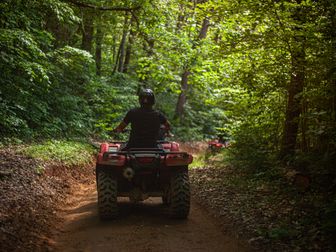
Hungry Valley SVRA is the most balanced all-around choice for many riders. The area includes graded roads, beginner loops, moderate hill sections, rutted connectors, and steeper technical climbs for advanced riders. Surfaces are usually a mix of hardpack dirt, decomposed granite, loose rock, and dry, dusty corners that can get chopped up by traffic. Some sections are wide enough for relaxed group riding, while others tighten up and demand better line choice. After storms, traction can improve in some places, but ruts and erosion can become more pronounced.
Rowher Flat OHV Area is more technical than many first-time visitors expect. This area is known for steep grades, shelfy sections, loose decomposed granite, embedded rock, braking bumps, and hill climbs that can punish poor throttle control. The trail system has numbered routes and a reputation for challenge despite being close to the city. It is less of a scenic cruise area and more of a skills-and-control destination. Dust can hang in the air on busy weekends, and downhill braking on loose surfaces is often just as challenging as the climbs.
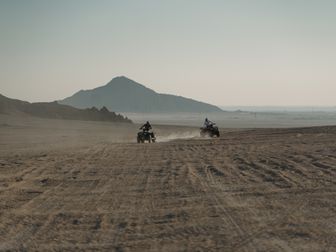
Jawbone Canyon and the surrounding desert networks offer the most open and varied terrain. Here, riders encounter sandy washes, fast two-track, rock gardens, whooped-out access roads, dry lake-style open sections, desert ridgelines, and long connector routes into Dove Springs and Spangler Hills. Some routes are easy and scenic, while others become very technical with ledges, loose baby-head rock, and steep climbs. Wind can reshape sand and drift fine dust across roads. Navigation matters more here than in smaller trail systems because the riding area is large and route options branch constantly.
Creek crossings are generally not a defining feature of these Southern California systems. Water is usually minimal, seasonal, or absent, especially in desert zones. The bigger hazards are heat, dehydration, dust, sharp rock, washouts, and mechanical stress from long climbs or sustained high-speed desert riding.
Difficulty & Who It's For
We use the Green/Blue/Black/Double-Black scale to make route planning easier.
Green: Beginners and family riders
At Hungry Valley, true beginners have the best options near staging areas and on easier marked routes. These sections usually feature wider trail corridors, gentler grades, fewer embedded rocks, and more predictable traction. Green terrain is best for new ATV riders, younger riders on legal youth machines in designated areas, and families who want a lower-stress day.
Blue: Intermediate riders building skills
Blue-level riding is available in all three systems. At Hungry Valley, this often means moderate climbs, rougher connectors, and more sustained uneven terrain. At Jawbone, Blue routes may include sandy washes, small rock sections, and navigation decisions without extreme technical exposure. These trails suit riders who are comfortable standing, shifting body position, and managing loose surfaces.
Black: Advanced trail riders
Rowher Flat has several Black-style experiences even when a route is not formally labeled that way by riders. Steep grades, loose decomposed granite, and technical descents demand confidence and machine control. Hungry Valley also has Black-level hill climbs and rougher sections, while Jawbone offers advanced climbs and rocky trail links deeper into the desert network. These routes are best for experienced riders with solid braking, throttle, and line-choice skills.
Double-Black: Experts only
In the broader Jawbone/Dove Springs region, expert riders can find true Double-Black conditions on extreme hill climbs, heavily eroded routes, and technical rock sections where recovery can be difficult and consequences are higher. We only recommend these routes for highly experienced riders traveling with a group, proper navigation tools, and recovery gear.
Permits & Access
Access rules vary by riding area, but a few California basics apply almost everywhere.
For Hungry Valley SVRA, riders generally need a properly registered OHV with a current California Green Sticker or Red Sticker eligibility as applicable under current state rules, or a street-legal plated machine where allowed. Day-use fees are typically charged per vehicle entering the park, and camping fees apply if you stay overnight. Main staging and parking are well established, making this one of the easiest areas near LA for first-time visitors. No reservation is usually needed for standard day riding, but busy holiday weekends can be crowded.
For Rowher Flat OHV Area, your ATV should have legal California OHV registration. Because the area sits within Angeles National Forest management, parking and access rules can change by lot or staging point, and some locations may involve Adventure Pass considerations for non-OHV-specific parking use. We recommend checking Angeles National Forest and current OHV notices before you go, especially after storms or fire restrictions.
For Jawbone Canyon OHV Area, riders typically need valid California OHV registration or street-legal registration if using plated routes. Staging and dispersed camping are common, but you should follow Bureau of Land Management and local posting for camping boundaries, fire restrictions, and route closures. Parking is generally straightforward in open staging zones, and reservations are not usually required for standard riding access.
OHV sticker notes
- California riders should confirm current Green Sticker/registration compliance before traveling.
- Out-of-state riders should verify California reciprocity rules and whether temporary permits are needed.
- Spark arrestor and sound compliance may be enforced depending on machine type and area rules.
- Always check for seasonal closures, fire restrictions, and temporary route shutdowns before departure.
Tips for Riding This System
- Start earlier than you think you need to. In Jawbone and Hungry Valley, summer and shoulder-season afternoons can get hot fast. We recommend sunrise or early-morning staging whenever temperatures climb.
- Fuel up before remote desert loops. Jawbone-linked rides can become much longer than planned once you start connecting into Dove Springs or Spangler Hills. Know your range and carry extra fuel if your machine setup allows it.
- Use easier loops to warm up at Hungry Valley. It is one of the best places near LA to gauge how your ATV is handling before committing to steeper hill sections.
- Treat Rowher Flat descents with as much respect as the climbs. Loose decomposed granite can make downhill braking sketchy, especially when trails are blown out from traffic.
- Carry more water than you think you'll need. Heat exposure is a bigger risk than mud or water crossings in this region. A hydration pack plus extra bottles in the machine is a smart move.
- Download maps before leaving pavement. Cell coverage can be inconsistent around Jawbone and even spotty in foothill zones. A dedicated GPS or offline map app helps prevent long wrong turns.
- Watch for weekend traffic and dust. Popular OHV areas near Los Angeles get busy. Increase following distance, especially in sandy washes and blind hill approaches.
FAQ
What is the best beginner-friendly ATV riding area near Los Angeles?
Hungry Valley SVRA is usually the best starting point for beginners. It has a broad range of marked trails, easier staging-area loops, and enough variety to progress without jumping straight into highly technical terrain.
Which area is most technical for experienced riders?
For close-in riding, Rowher Flat OHV Area often feels the most technical because of its steep grades, loose decomposed granite, and demanding hill sections. For bigger desert challenges, the Jawbone/Dove Springs network offers more advanced and expert terrain overall.
Do I need an OHV permit or sticker for ATV trails near Los Angeles?
Yes, in most cases you need current California OHV registration or a legal plated vehicle, depending on the machine and route. Day-use fees may apply at state-managed areas like Hungry Valley, and riders should always verify current California OHV rules before traveling.
When is the best time to ride these Southern California trail systems?
The best riding season is usually fall through spring. Summer can be dangerously hot, especially in exposed desert areas like Jawbone Canyon. Winter and early spring typically offer the most comfortable temperatures and better riding windows.
Get our best guides in your inbox
Final Thoughts
The best ATV trails near Los Angeles are not limited to one park or one style of riding. Hungry Valley delivers the most balanced all-around experience, Rowher Flat gives advanced riders a closer technical option, and Jawbone opens the door to true desert exploration with nearly endless route combinations. For most riders, the right choice comes down to how much time they have, how technical they want the day to be, and how prepared they are for heat, dust, and remote terrain.
At BestATVTrails, we recommend checking official park or agency pages the night before your trip for closures, fire restrictions, and permit updates. Southern California offers excellent legal OHV riding, but the best days happen when your route, gear, and water supply match the terrain.
Top Picks & Comparison
| # | Product | Price | Rating | ||
|---|---|---|---|---|---|
| #1 | |
Motocross Helmet, DOT Approved Dirt Bike Helmet for Off-Road Riding Trail Riding Endurance Racing |
$65.99 | (6) | Check Price on Amazon → |
| #2 |  |
Fly Racing Patrol Off-Road Gear Set - (Over the Boot) Pant and Jersey for MX, ATV and Off-Road Riding |
$224.89 | (2) | Check Price on Amazon → |