Best ATV Trails in California (2026)

Alana Azzouz is a Senior Editor at Searchshop Media Network with over a decade of experience in consumer content quality and editorial standards. She has reviewed thousands of product guides, buying articles, and comp…
Why trust us
BestATVTrails trail guides are researched by riders with decades of powersports experience. Our lead researcher spent 30+ years in powersports retail and has ridden trails across a dozen US states. Every gear recommendation is sourced from real product research matched to specific terrain — not paid placements or generic affiliate lists.

Best ATV Trails in California
Gear for This Trail

Because California combines dunes, desert, and mountain trail systems, we recommend gear that handles dust, impact risk, navigation, and temperature swings. The products below are especially well matched to these riding conditions.
| Gear Type | Brand | Product | Why it suits California ATV trails | Approx. Price |
|---|---|---|---|---|
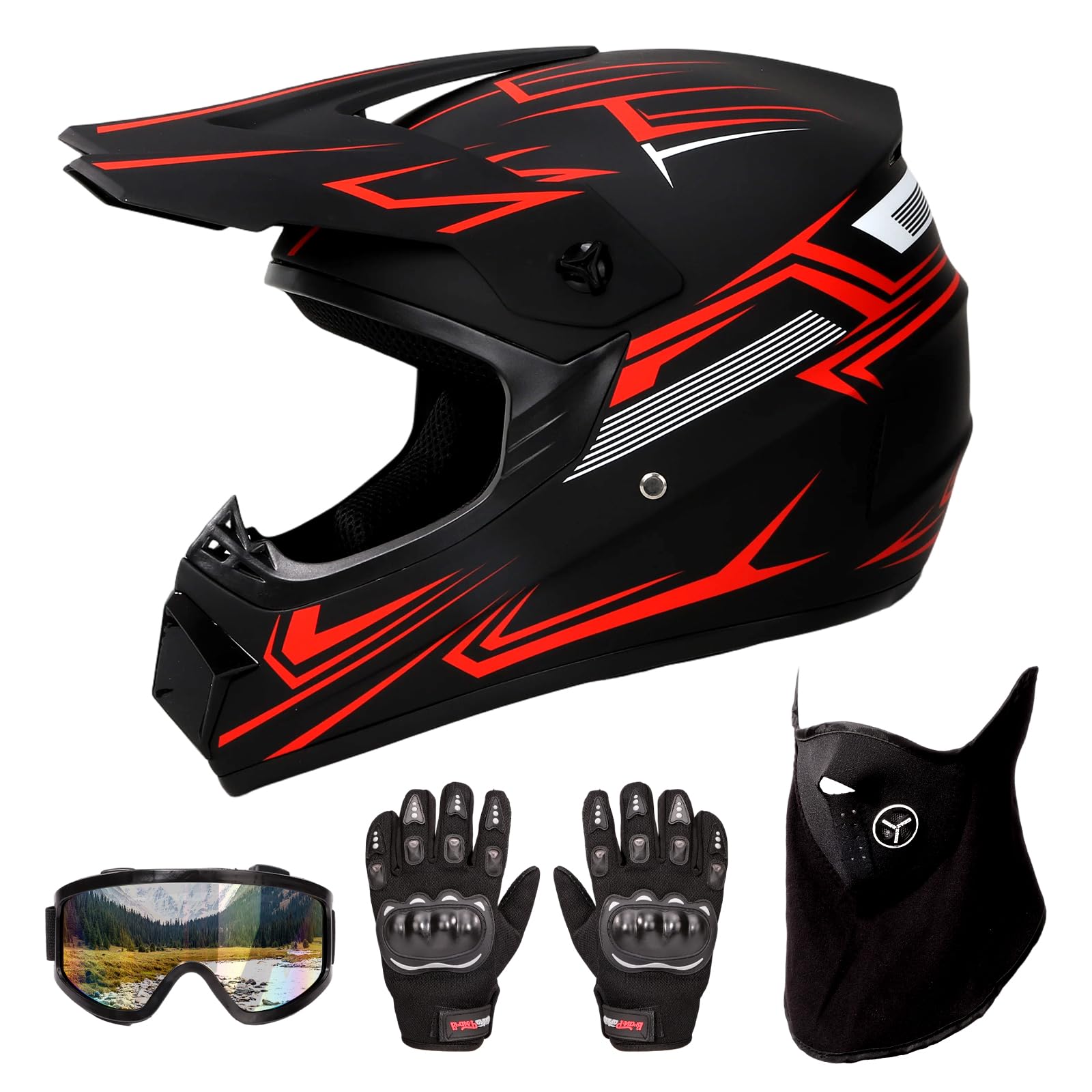 Helmet Helmet |
Bell | Qualifier Full-Face Helmet | A solid choice for California’s high-speed sand and desert sections where wind, roost, and dust are constant concerns. The full-face design makes more sense than an open setup for Oceano and Johnson Valley. | $120-$160 |
| Protective gear | Alpinestars | Bionic Action Chest Protector | Useful for rocky foothill and desert riding where roost, brush, and handlebar impacts are real risks. It adds torso protection without being as bulky as some motocross roost guards. | $130-$170 |
| Gloves | Fox Racing | Dirtpaw Gloves | Good grip and light protection for long days on hardpack, sand, and rocky trails. They are a practical pick for riders who need dexterity on technical climbs and switchbacks. | $25-$35 |
| Terrain-specific item | Garmin | Tread Powersport GPS | California desert riding can get confusing fast, especially in Johnson Valley’s huge open network. A dedicated powersports GPS helps with route tracking, navigation, and getting back to staging before dark. | $500-$700 |
| Terrain-specific item | Rhino USA | Recovery Tow Strap | A smart addition for dune and desert riding where stuck machines are common. Soft sand at Oceano and rocky hang-ups in Johnson Valley both make recovery gear worth carrying. | $30-$45 |
| Comfort/utility item | CamelBak | M.U.L.E. Hydration Pack | Heat management is critical in California. This pack is especially useful in Johnson Valley, Mammoth Bar, and summer foothill rides where dehydration can sneak up quickly. | $100-$130 |
If your California trip is specifically focused on Oceano Dunes, we also recommend looking at dune-oriented paddle tire setups for machines designed to run them, but fitment varies too much by ATV to suggest one universal model. For mixed-terrain trips, hydration, navigation, and chest protection usually deliver more value than specialty sand upgrades.
Introduction
The best ATV trails in California are not one single trail system, but a statewide mix of riding areas that deliver very different experiences. In one weekend, riders can be carving bowls at Oceano Dunes near the coast, crawling over rock-strewn desert routes in Johnson Valley, or winding through pine forest and decomposed granite trails in the Sierra foothills. That variety is exactly why California stays high on so many riders’ lists.
We researched the state’s top ATV destinations with a focus on legal OHV access, terrain variety, seasonal riding windows, and what kind of rider each area suits. California stands out because it offers everything from beginner-friendly staging areas and marked loops to advanced hill climbs, whoops, loose sand, ledges, washouts, and long backcountry connectors. It also demands planning. Desert zones can become dangerously hot, mountain systems can turn cold fast, and permit rules vary by location. If you want a practical guide to where to ride and how to prepare, these are the California ATV areas we recommend starting with.
Trail Overview

Rather than one unified trail network, California’s best ATV riding is spread across several major OHV systems. These are the core areas most riders target:
Oceano Dunes SVRA
- Trail miles/ride area: roughly 1,500 acres of open riding terrain plus beach access zones
- Difficulty: Green to Black
- Elevation: sea level
- Permit requirements: street-legal access rules vary by area; camping reservations often required; California OHV registration generally required for applicable vehicles
- Best season: spring and fall; summer can be crowded and windy
- Nearest town: Oceano / Pismo Beach
Johnson Valley OHV Area
- Trail miles/ride area: about 96,000 acres of open desert riding and route networks
- Difficulty: Blue to Double-Black
- Elevation: around 2,000 to 4,500 feet
- Permit requirements: California Green Sticker or equivalent nonresident permit for eligible vehicles; event closures may affect access
- Best season: late fall through early spring
- Nearest town: Lucerne Valley / Yucca Valley
Prairie City SVRA
- Trail miles/ride area: over 1,200 acres with tracks, training zones, and trail loops
- Difficulty: Green to Blue
- Elevation: low foothill terrain around 500 to 1,000 feet
- Permit requirements: day-use fees; California OHV registration requirements apply
- Best season: fall through spring
- Nearest town: Rancho Cordova / Folsom
Hollister Hills SVRA
- Trail miles/ride area: about 6,800 acres across multiple use areas
- Difficulty: Green to Black
- Elevation: roughly 600 to 2,400 feet
- Permit requirements: day-use fees; OHV registration required for applicable machines
- Best season: cooler months and spring; avoid muddy conditions after heavy rain
- Nearest town: Hollister
Mammoth Bar OHV Area
- Trail miles/ride area: around 35 miles of designated trails
- Difficulty: Blue to Black
- Elevation: roughly 1,200 to 3,300 feet
- Permit requirements: OHV registration required; day-use/parking rules can apply depending on access point
- Best season: fall, spring, and cooler summer mornings
- Nearest town: Auburn / Foresthill
Trail Conditions & Terrain
California’s ATV terrain changes dramatically by region, and that matters more here than in many other states.
Oceano Dunes SVRA is all about sand. Riders can expect soft beach sand, steep dune faces, chopped-up whoops, wind-shaped ridges, and visibility issues when afternoon winds kick up. Tire pressure setup matters here, and machines that feel planted on hardpack can suddenly feel heavy and sluggish in loose sections. Sand bowls and transitions can hide other riders, so line choice and awareness are critical.
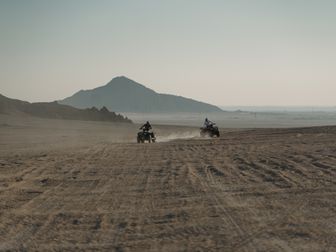
Johnson Valley OHV Area is the opposite. This is open desert with hardpack, decomposed granite, embedded rock, loose rock gardens, dry washes, steep climbs, and ledges. Some routes are fast and flowing, while others become highly technical with sharp steps and boulder fields. Dust can be intense, and route-finding is part of the experience because the area is so large. Heat exposure is a major factor for much of the year.
Prairie City SVRA offers a more managed environment. Riders will find groomed practice areas, beginner-friendly loops, hardpack, loose-over-hard sections, small climbs, and some rutted corners depending on traffic. It is a good place to build skills because the terrain is varied without feeling overly remote.
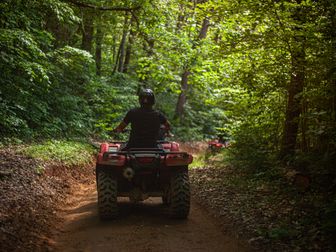
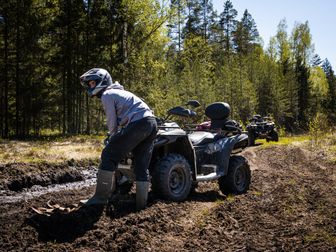
Hollister Hills SVRA mixes clay-based dirt, hardpack, ruts, hill climbs, off-camber sections, and shaded oak-covered trails. After rain, traction changes fast. Some hills become slick, braking distances increase, and ruts deepen. This is one of the better places in California for riders who want elevation changes and trail features without committing to a huge backcountry ride.
Mammoth Bar OHV Area brings in Sierra foothill terrain: decomposed granite, rocky climbs, ledges, narrow shelf-style sections, loose descents, and occasional erosion damage. In cooler months, traction is often excellent, but summer heat can bounce off the rock and make exposed sections feel much hotter than the air temperature suggests.
Across all of these systems, creek crossings are less common than in wetter eastern trail networks, but washouts, drainage cuts, exposed roots in foothill areas, and loose baby-head rock are very real hazards. California riders need to prepare for both dust and temperature swings.
Difficulty & Who It's For
We rate California’s top ATV areas across the standard Green / Blue / Black / Double-Black scale because the state includes everything from beginner practice zones to highly technical desert routes.
- Green: Best for true beginners, families, and youth riders in supervised or lower-speed areas. Prairie City’s training zones and easier loops fit here, along with flatter sections at Hollister Hills and open, lower-consequence sand areas at Oceano when conditions are calm.
- Blue: Best for riders with basic throttle, braking, and climbing skills. Many routes at Hollister Hills, Mammoth Bar, and the easier desert connectors in Johnson Valley fall into this category. Expect ruts, moderate climbs, loose surfaces, and occasional rock obstacles.
- Black: Best for experienced riders comfortable with line choice, body positioning, and recovery decisions. Steeper dune faces at Oceano, more technical hill sections at Hollister, and rocky climbs at Mammoth Bar all fit here.
- Double-Black: Reserved for advanced riders only. Johnson Valley is the main standout, especially in technical rock zones and extreme hill climbs where mistakes can lead to rollovers, machine damage, or difficult recoveries. These routes are not ideal for casual sightseeing rides.
If we had to match rider types to systems, we would point beginners toward Prairie City first, then selected sections of Hollister Hills. Intermediate riders usually get the most variety from Hollister Hills and Mammoth Bar. Advanced riders looking for scale and challenge often end up at Johnson Valley, while sand-focused riders should put Oceano Dunes at the top of the list.
Permits & Access
California OHV access rules vary by riding area, so it pays to confirm details before loading up.
For most dedicated OHV areas, your ATV will need a valid California Green Sticker or another recognized registration option for residents and nonresidents, depending on the machine and where you are coming from. California’s OHV program can change over time, especially around emissions and registration categories, so we recommend checking the latest DMV and California State Parks OHV guidance before your trip.
Oceano Dunes SVRA often has the most planning involved. Day-use access, beach driving rules, and camping policies can change, and camping reservations are commonly required well in advance during busy periods. Parking fills quickly on peak weekends.
Prairie City SVRA and Hollister Hills SVRA typically charge day-use entrance fees, with separate fees possible for additional vehicles or camping where available. These parks are relatively straightforward for first-time visitors because they have established staging and check-in systems.
Johnson Valley OHV Area is more open-access BLM-style desert riding, but riders still need to verify legal vehicle registration and watch for event-related closures, especially around major off-road events. Services are limited, so staging, fuel, and emergency planning matter more here than at a state vehicular recreation area.
Mammoth Bar OHV Area is managed within the Tahoe National Forest area, and access conditions can change with fire restrictions, seasonal closures, and road maintenance. Parking is usually simpler than at the bigger state parks, but the trail system is less developed in terms of amenities.
In short:
- Parking: available at major staging areas, but can fill quickly on weekends
- Permit costs: day-use fees at SVRAs; registration/sticker costs depend on state requirements
- Reservations: commonly needed for Oceano camping; occasionally useful elsewhere during peak weekends
- OHV sticker requirement: generally yes for off-highway vehicles operating in legal OHV areas
Tips for Riding This System
- Match your destination to the season. We recommend desert areas like Johnson Valley from fall through spring, and foothill or coastal rides when inland heat spikes.
- Start earlier than you think you need to. California heat builds quickly, especially in exposed desert and granite terrain. Morning rides are safer and usually less dusty.
- Air down thoughtfully for sand. At Oceano Dunes, proper tire pressure can transform handling and reduce digging in, but always stay within safe limits for your machine and tire setup.
- Carry more water than a short ride seems to require. Dry air, wind, and physical riding effort can dehydrate riders faster than expected, especially in Johnson Valley and Mammoth Bar.
- Use a GPS or offline map system in open desert. Johnson Valley’s scale makes it easy to lose track of staging areas, especially when riding unfamiliar washes or side routes.
- Check closure notices before every trip. Fire restrictions, weather damage, habitat rules, and special events can all affect access in California.
- Expect traction changes after rain. Hollister Hills and Prairie City can go from manageable hardpack to slick, rutted surfaces that increase braking distance and hill-climb difficulty.
FAQ
What is the best ATV riding area in California for beginners?
Prairie City SVRA is one of the best starting points for beginners because it has a more controlled layout, practice-friendly terrain, and easier access to support services. Selected parts of Hollister Hills SVRA are also beginner-friendly.
Where can we ride sand dunes in California with an ATV?
The best-known dune riding destination is Oceano Dunes SVRA near Pismo Beach. It offers open sand riding, beach access, and a very different experience from California’s inland trail systems.
Do we need a Green Sticker to ride California OHV trails?
In many cases, yes. Most ATVs using legal OHV areas in California need valid OHV registration such as a California Green Sticker or a recognized equivalent for nonresident vehicles. We recommend confirming the latest rules before the trip because California’s registration policies can change.
When is the best time to ride Johnson Valley?
The best time is usually late fall through early spring. Summer heat in Johnson Valley can become extreme and dangerous, especially for riders carrying limited water or tackling technical routes far from staging areas.
Get our best guides in your inbox
Final Thoughts
California earns its reputation by giving ATV riders real variety. Few states let you choose between coastal dunes, giant high-desert riding zones, and rocky Sierra foothill trails within the same broader destination map. For riders searching for the best ATV trails in California, the right answer depends on what kind of terrain you want most: sand at Oceano Dunes, technical desert at Johnson Valley, family-friendly practice at Prairie City, mixed hills at Hollister Hills, or foothill challenge at Mammoth Bar.

We recommend planning around weather first, permits second, and terrain-specific gear third. Do that, and California becomes one of the most rewarding ATV states in the West.
Top Picks & Comparison
| # | Product | Price | Rating | ||
|---|---|---|---|---|---|
| #1 | |
Peicees 13PCS Motorcycle Set, 5 Dirt Bike Ski Goggles UV Protection Dustproof Windproof Safety Glasses with 8 Skull Face Mask |
$27.99 | (361) | Check Price on Amazon → |
| #2 | |
Motocross Helmet, DOT Approved Dirt Bike Helmet for Off-Road Riding Trail Riding Endurance Racing |
$65.99 | (6) | Check Price on Amazon → |