Best ATV Trails in Oregon (2026)

Ellen Kietzmann brings more than 25 years of senior leadership in the RV and outdoor recreation industry. She spent 22 years at Blue Ox — rising from Vice President of Sales & HR to President — where she grew the deal…
Why trust us
BestATVTrails trail guides are researched by riders with decades of powersports experience. Our lead researcher spent 30+ years in powersports retail and has ridden trails across a dozen US states. Every gear recommendation is sourced from real product research matched to specific terrain — not paid placements or generic affiliate lists.

Best ATV Trails in Oregon
Trail Overview

Oregon does not have one single ATV trail system that defines the state. Instead, the best riding is spread across a few major OHV regions.
Key Oregon ATV Areas at a Glance
| Riding Area | Approx. Miles / Ride Area | Difficulty | Elevation | Permits | Best Season | Nearest Town |
|---|---|---|---|---|---|---|
| Browns Camp / Jordan Creek / Diamond Mill (Tillamook State Forest) | 250+ miles in the Tillamook OHV area | Green to Black | Roughly 800-3,500 ft | Oregon ATV permit required | Late spring to early fall; rideable year-round with wet-weather prep | Tillamook, Banks |
| Oregon Dunes National Recreation Area | 40+ miles of open riding zones across multiple access points | Green to Double-Black | Sea level to low coastal dunes | Oregon ATV permit required; flag required | Spring through fall; winter storms can limit access | Florence, Reedsport, North Bend, Winchester Bay |
| East Fort Rock OHV Trail System | 100+ miles | Green to Blue | Around 4,200-5,200 ft | Oregon ATV permit required | Late spring through fall; snow possible shoulder season | Bend, La Pine, Christmas Valley |
| Christmas Valley Sand Dunes / Desert Trails | Mixed dunes and open desert roads/trails | Green to Blue | Around 4,300 ft | Oregon ATV permit required | Spring and fall | Christmas Valley |
| Prospect OHV / Southern Oregon routes | Varies by segment | Blue to Black | Mid- to high-elevation mountain terrain | Oregon ATV permit required | Summer to early fall | Prospect |
For most riders planning a first Oregon trip, we recommend narrowing the state into three zones: Tillamook forest, Oregon Dunes, and East Fort Rock high desert. Those three areas best represent the state's riding variety.
Introduction
If you're searching for the best ATV trails in Oregon, you're really choosing between three completely different riding experiences. Oregon packs an unusual amount of variety into one state: rain-soaked Coast Range forests with slick roots and deep mud, giant coastal dune systems with open sand bowls and technical tree islands, and dry volcanic high desert east of the Cascades where long, fast loops stretch through pumice, lava rock, and juniper country. That range is exactly why riders keep coming back.
We researched Oregon's top OHV areas with a focus on trail variety, access, permit requirements, and real-world riding conditions. For many riders, the biggest draw is that you can plan a weekend around the terrain you want. Want tight forest trails and hill climbs? Head to Browns Camp in the Tillamook State Forest. Want wide-open sand riding? The Oregon Dunes around Winchester Bay, Coos Bay, and Florence are hard to beat. Want long desert mileage with fewer crowds? East Fort Rock and Christmas Valley deliver. Oregon is one of the best ATV states in the West because it rewards every riding style.
Trail Conditions & Terrain

Oregon terrain changes dramatically by region, and your trip will be better if you match your machine setup to the ground you'll actually ride.
Tillamook State Forest: Mud, Roots, Rock, and Steep Grades
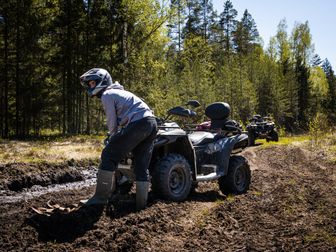
The Tillamook OHV system, including Browns Camp, Jordan Creek, and Diamond Mill, is classic western Oregon trail riding. Expect hard-packed dirt when dry, but much more often you'll find wet soil, standing water, slick clay, embedded rock, exposed roots, and ruts that deepen quickly after rain. Trails can be narrow, shaded, and slippery even in summer because the canopy holds moisture.
Many routes climb and descend aggressively. Water bars, off-camber turns, muddy hill climbs, and braking bumps are common. Lower-elevation staging areas can feel manageable, but black-rated sections quickly get technical with ledges, axle-deep mud pockets, and tight tree-lined lines that punish poor throttle control. Creek crossings and runoff channels are not unusual, especially after storms.
Oregon Dunes: Deep Sand, Wind-Shaped Faces, and Fast Open Lines
The Oregon Dunes National Recreation Area is a completely different world. Here the surface is loose sand, chopped-up approach lines, steep dune faces, bowls, ridges, and transition zones where open sand meets scrub or tree islands. Conditions change daily with wind and traffic. A smooth climb in the morning can be badly whooped by afternoon.
Open riding areas around Winchester Bay, Coos Bay, and Florence let riders carry speed, but that freedom comes with risk. Visibility over razorbacks can be limited, and sand can hide sudden drop-offs on the back side of a crest. In busier zones, cross-traffic is a real concern. Machine cooling, tire pressure, and momentum matter more here than in forest or desert systems.
East Fort Rock: Pumice, Lava Rock, Dust, and Long Loops
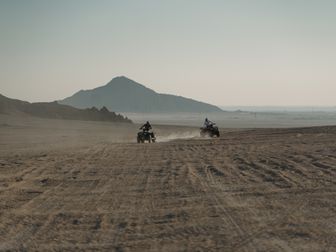
East Fort Rock OHV Trail System, southeast of Bend near China Hat and Christmas Valley country, offers high-desert riding with longer mileage and a more open feel. Surfaces include volcanic pumice, sandy two-track, loose cinders, hardpack, and occasional lava rock. Trails weave through lodgepole pine, sage, and open flats.
Compared with Tillamook, the terrain is generally less slick but can be rougher at speed. Washboard sections, loose corners, hidden rock, and dust are common. In dry months, visibility can disappear behind another group. Some connectors feel easy, but longer loops can become tiring because of repeated chop, square-edge bumps, and the need to carry enough fuel and water.
Difficulty & Who It's For
We use the Green/Blue/Black/Double-Black scale because Oregon truly spans beginner-friendly loops to advanced terrain.
Green: Beginners and Family Riders
Green-rated Oregon riding is easiest to find in selected East Fort Rock loops, some staging-area-adjacent routes in Browns Camp, and flatter sections of the Oregon Dunes during calm conditions. These routes suit newer riders, youth riders on appropriate machines, and families who want wider lines, gentler grades, and fewer technical obstacles.
Blue: Intermediate Riders
Blue is the sweet spot for many Oregon riders. Most of East Fort Rock fits here, along with a large share of Tillamook mainline connectors and moderate trail loops. Blue terrain suits riders comfortable with uneven surfaces, moderate climbs, loose turns, ruts, and changing traction. If you've ridden local trail systems before and can manage your body position and braking, this is likely your category.
Black: Experienced Trail Riders
Black-rated routes are common in the wetter, steeper parts of Tillamook State Forest and in more demanding dune sections where line choice and momentum are critical. These trails suit experienced riders on well-maintained machines who are comfortable with mud holes, steep grades, sidehill exposure, technical descents, and recovery situations.
Double-Black: Expert Riders Only
Double-black difficulty usually shows up in extreme dune lines, abrupt sand faces, highly chopped bowls, and the nastiest mud-and-climb combinations in the Coast Range. These routes are for expert riders only, especially when conditions are wet or visibility is poor. If you're asking whether a route is too much for your skill level, it probably is.
Gear for This Trail
Because Oregon riding can mean wet forest, abrasive sand, or remote desert in the same trip, we recommend gear that handles moisture, impact, navigation, and machine recovery.
| Gear Type | Brand | Product | Why It Suits Oregon Trails | Approx. Price |
|---|---|---|---|---|
 Helmet Helmet |
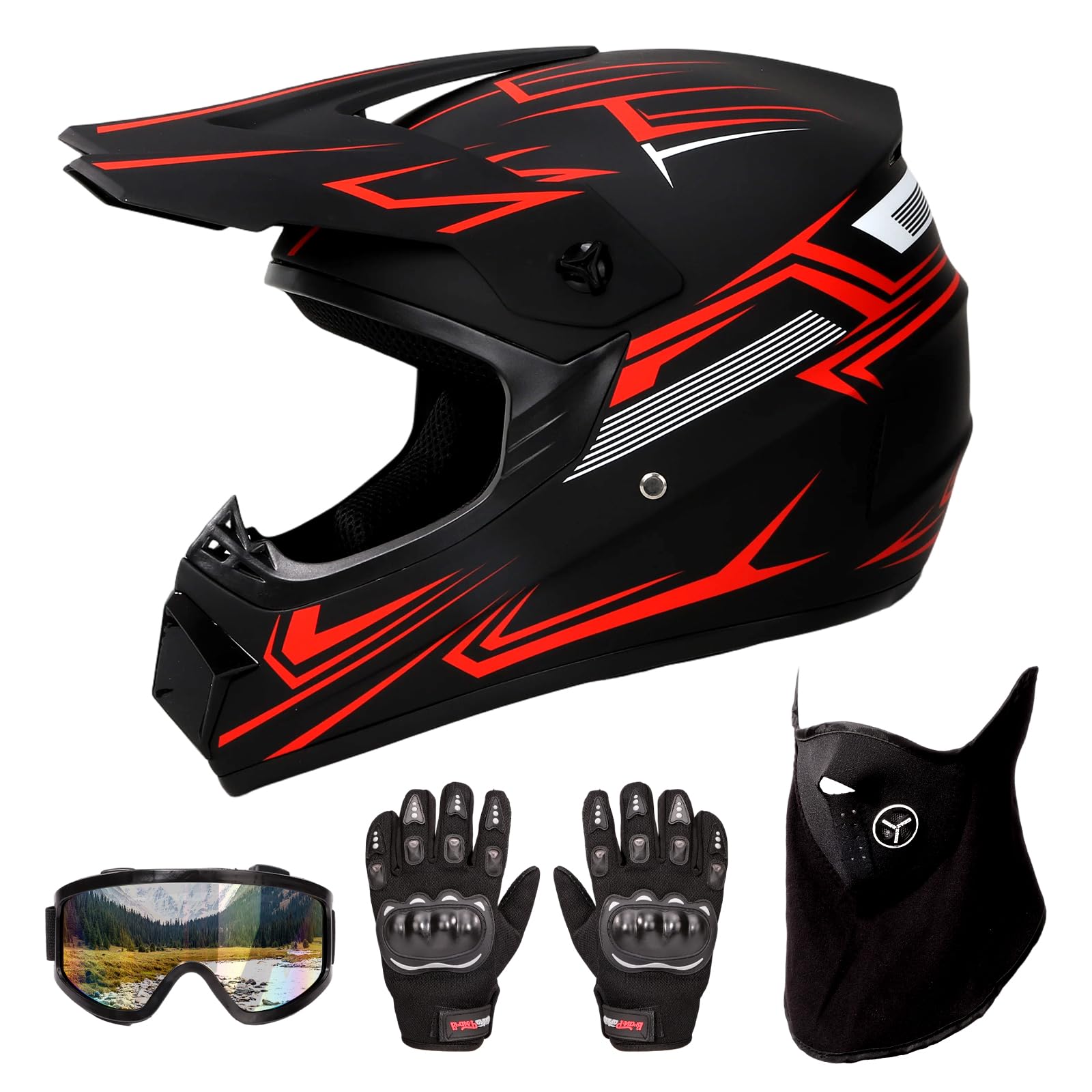
Bell | Bell Qualifier Full-Face Helmet | A solid budget-friendly full-face option for cold coastal mornings, roost in Tillamook, and windblown dune riding. The face shield helps in wet forest connectors and dusty desert access roads. | $120-$180 |
| Gloves | Fox Racing | Fox Racing Dirtpaw Gloves | Good value gloves with padding and grip for muddy controls in Tillamook, plus enough dexterity for GPS use and repeated braking on East Fort Rock loops. | $25-$40 |
| Chest / Upper Body Protection | Alpinestars | Alpinestars Bionic Action Chest Protector | Oregon trails mix trees, bars, roost, and sudden washouts. This protector makes sense for forest single-track-style ATV routes and faster dune or desert riding where impacts are possible. | $130-$180 |
| Terrain-Specific Item | Garmin | Garmin Tread Powersport Navigator | One of the best upgrades for Oregon because trail networks like Tillamook and East Fort Rock have multiple connectors, numbered routes, and remote sections where navigation mistakes waste fuel and daylight. | $500-$700 |
| Recovery Item | Rhino USA | Rhino USA Recovery Tow Strap | In western Oregon mud, a tow strap is more useful than riders expect. It also helps in dune and desert situations when someone buries a machine or slips off line. | $30-$45 |
| Comfort / Utility Item | CamelBak | CamelBak M.U.L.E. Hydration Pack | Essential for East Fort Rock and Christmas Valley where dry air and long loops dehydrate riders quickly. It also gives you room for snacks, tools, and a layer for Oregon's shifting weather. | $100-$140 |
If you're planning a dunes-focused trip, we also recommend checking your local setup for a sand flag mount and whip, since Oregon dune areas generally require a visible flag. For machine protection in rocky forest and desert terrain, a model-specific skid plate is also worth considering.
Permits & Access
Most Oregon ATV riding requires an Oregon ATV Operating Permit unless your machine qualifies under a reciprocal permit arrangement from another state. We recommend verifying current reciprocity and permit rules through the Oregon Parks and Recreation Department before your trip.
Oregon ATV Permit Basics
- Permit cost: commonly around $10 for two years for Oregon's ATV permit, though riders should confirm the current fee before travel.
- Display requirement: the permit must be properly affixed to the ATV.
- Out-of-state riders: some states have reciprocity, but not all. If in doubt, buy the Oregon permit.
Parking and Staging
At Tillamook State Forest, popular staging areas include Browns Camp, Jordan Creek, and Diamond Mill. Parking is generally first come, first served. On busy weekends, especially in summer and hunting season shoulder periods, lots can fill early.
At the Oregon Dunes, access depends on the riding zone. Common staging and access points include Winchester Bay, Spinreel, Box Car Hill, Hauser, and Florence-area staging points. Day-use parking may be managed by the Forest Service or local operators depending on the site.
At East Fort Rock, riders typically stage from designated trailheads and open OHV access points in the system southeast of Bend. Parking is usually easier than on the coast, but services are more limited.
Reservations and Fees
Most Oregon OHV trailheads do not require advance reservations for standard day riding, but campground reservations near major riding zones can fill quickly. If you want to stay near Browns Camp or the Oregon Dunes in peak season, reserve lodging or camping early.
Dune-Specific Access Rules
At the Oregon Dunes, riders typically need:
- A valid Oregon ATV permit
- A whip flag meeting local visibility requirements
- A spark arrester where required
- Compliance with seasonal closures and restricted habitat zones
Always check current Forest Service notices, because storm damage, restoration work, and seasonal wildlife restrictions can affect access.
Tips for Riding This System
- Match the region to the forecast. If heavy rain is hitting the coast, Tillamook can become dramatically slicker and deeper. East Fort Rock may be the better call when western Oregon is soaked.
- Start early at the dunes. Morning sand is often smoother, temperatures are lower, and visibility is better before crowds build and faces get chopped up.
- Carry more water than you think you need in the high desert. East Fort Rock and Christmas Valley can feel mild at the truck and very dry a few hours later.
- Expect traction to change corner by corner in Tillamook. Hardpack, roots, mud, and rock can all show up on one climb, so throttle discipline matters.
- Use a map or GPS even in popular systems. Oregon trail networks have many connectors, road crossings, and spur routes. It's easy to burn fuel on wrong turns.
- Watch for visibility issues in all three regions. In dunes it's blind crests, in desert it's dust, and in forest it's tight corners and brush-lined sightlines.
- Check machine setup before switching terrain. Tire pressure, clutching feel, cooling load, and cargo needs for dunes are different from what works in wet forest or rocky desert loops.
FAQ
What is the best ATV riding area in Oregon for beginners?
For most beginners, we recommend selected East Fort Rock loops or easier staging-area trails in Browns Camp. The dunes can also work for beginners in small, flatter zones, but open sand becomes intimidating quickly if you don't know how to read terrain.
Do you need an OHV permit for ATV trails in Oregon?
Yes, in most cases you need an Oregon ATV Operating Permit or a qualifying reciprocal permit from another state. We recommend confirming current rules with Oregon Parks and Recreation before riding.
Are the Oregon Dunes good for four-wheelers?
Yes. The Oregon Dunes are one of the state's signature ATV destinations for four-wheelers, especially around Winchester Bay and Coos Bay. Just make sure your machine is set up for sand, and bring the required whip flag.
When is the best time to ride ATV trails in Oregon?
It depends on the region. Late spring through early fall is best overall. The coast can be ridden much of the year if you're prepared for mud and rain, while East Fort Rock is best after snow melt and before late-fall weather returns.
Oregon stands out because it gives ATV riders real choice. We can spend one trip splashing through Coast Range mud, another carving dune bowls above the Pacific, and another covering long volcanic loops in the high desert. If you want the best ATV trails in Oregon, start with Tillamook, the Oregon Dunes, and East Fort Rock—then build your riding calendar around the terrain you enjoy most.
Get our best guides in your inbox
Top Picks & Comparison
| # | Product | Price | Rating | ||
|---|---|---|---|---|---|
| #1 | |
Motocross Helmet, DOT Approved Dirt Bike Helmet for Off-Road Riding Trail Riding Endurance Racing |
$65.99 | (6) | Check Price on Amazon → |
| #2 |  |
SuperATV Ultimate Tool Kit for UTV and ATV | 8, 10, 12, 13, 14, 15, 16, 17, 18, 19, 21 mm Sockets and Bits |
$317.88 | (26) | Check Price on Amazon → |