Umpqua National Forest OHV Trail Guide

Ellen Kietzmann brings more than 25 years of senior leadership in the RV and outdoor recreation industry. She spent 22 years at Blue Ox — rising from Vice President of Sales & HR to President — where she grew the deal…
Why trust us
BestATVTrails trail guides are researched by riders with decades of powersports experience. Our lead researcher spent 30+ years in powersports retail and has ridden trails across a dozen US states. Every gear recommendation is sourced from real product research matched to specific terrain — not paid placements or generic affiliate lists.

Umpqua National Forest OHV Trail Guide
Gear for This Trail

Umpqua’s volcanic rock, wet shoulder-season conditions, and remote mountain setting call for gear that prioritizes impact protection, navigation, and self-sufficiency. We recommend the following products because they match the terrain and common conditions riders face here.
| Gear Type | Brand | Product | Why It Suits Umpqua National Forest | Approx. Price |
|---|---|---|---|---|
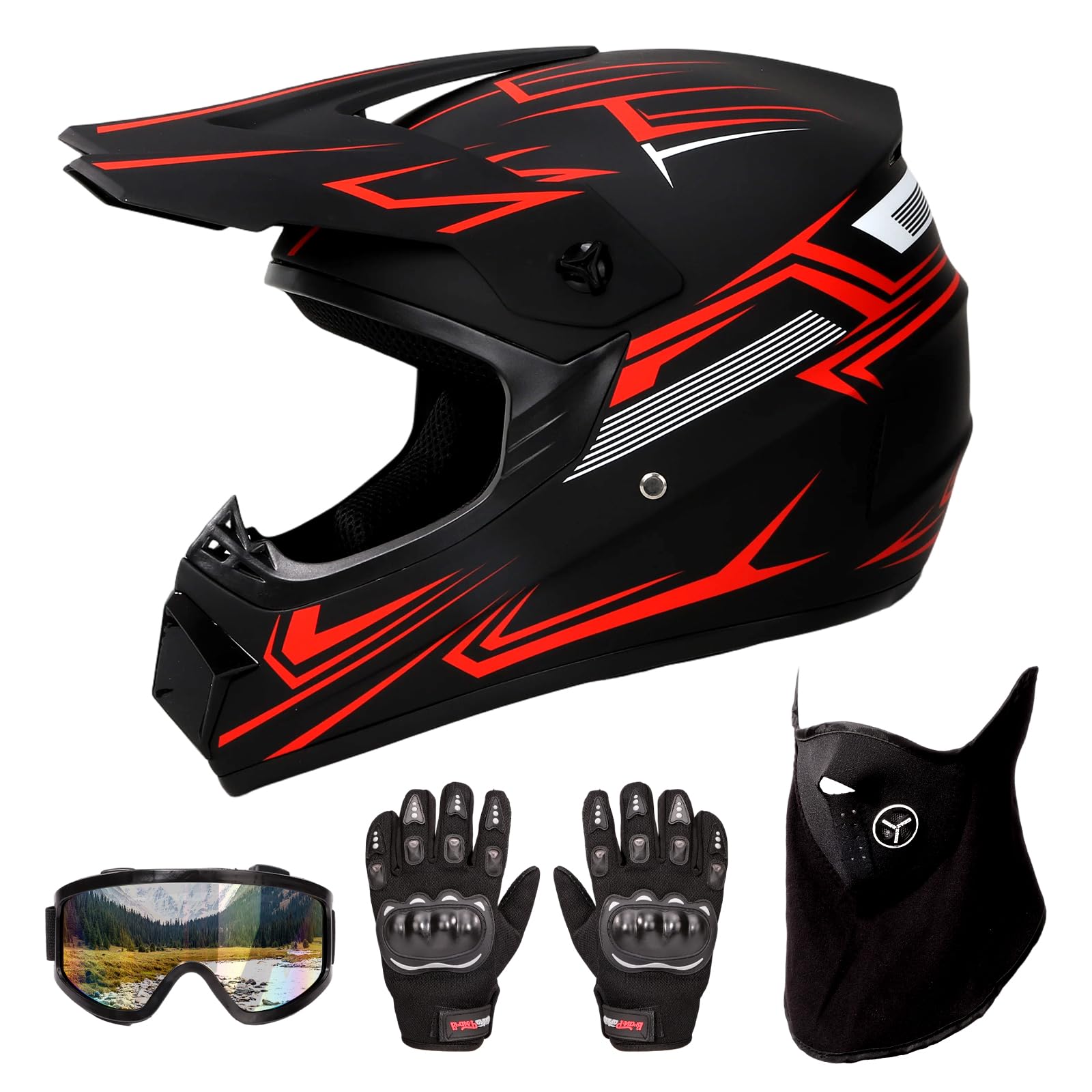 Helmet Helmet |
Bell | Qualifier DLX MIPS Helmet | Good value full-face protection for rocky forest riding, with MIPS for added impact management and solid ventilation for summer climbs at elevation. | $230-$300 |
| Gloves | Fox Racing | Dirtpaw Gloves | Affordable, durable gloves with decent knuckle coverage and grip for wet controls, brushy sections, and long days on rough bars. | $25-$35 |
| Chest/Upper Protection | Alpinestars | Bionic Action V2 Protection Jacket | A smart pick for technical volcanic rock terrain where falls can be awkward and low-speed impacts with bars, branches, or rock are realistic. | $180-$230 |
| Terrain-Specific Recovery Item | Rhino USA | Recovery Tow Strap 3" x 20' | Useful for muddy shoulder-season holes, slick climbs, or helping another ATV out of a rut without relying on a winch-only setup. | $35-$50 |
| Navigation / Trail Utility | Garmin | Tread Powersport Navigator | Strong fit for a forest system with changing route options, intersections, and patchy cell service; easier to manage than relying on a phone alone. | $500-$700 |
| Comfort / Utility | CamelBak | M.U.L.E. Hydration Pack | High-elevation riding and technical sections wear riders out fast, and a hydration pack keeps water, snacks, and small essentials accessible on the move. | $120-$140 |
A few additional notes on gear selection here:
- Helmet choice matters because rocky, tree-lined trails increase the odds of side impacts and branch contact.
- Hand protection is important in wet and cold shoulder-season rides, but even in summer, gloves improve grip on dusty bars.
- Recovery gear is more useful here than riders sometimes expect. A short muddy climb or hidden hole can stop an ATV quickly.
- GPS navigation is a major upgrade in a national forest environment where route networks can be confusing and cell coverage is unreliable.
If your ATV does not already have underbody protection, a factory or aftermarket skid plate setup is also worth considering for volcanic rock country.
Introduction
If you're planning a ride on Umpqua National Forest OHV trails Oregon, you're looking at one of the better mountain trail experiences in the southern Cascades. Umpqua National Forest combines dense timber, volcanic soils, lava rock, steep grades, and long forest connectors that make it appealing to riders who want more than a flat, fast loop. Riders come here for the scenery as much as the challenge: high-elevation forests, cool summer temperatures, and trail systems that feel remote without being impossible to reach.
From the Diamond Lake area to the Mount Bailey zone and nearby motorized trail networks, this part of Oregon rewards prepared riders. The terrain can shift quickly from packed dirt to loose pumice, embedded rock, mud holes, and slick roots, especially in spring and fall when the shoulder season stays wet. We researched this area with a focus on ATV and wider OHV access, and the biggest takeaway is simple: Umpqua is best for riders who appreciate mountain conditions, changing traction, and a trail day that can go from scenic to technical in a few miles.
Trail Overview

Umpqua National Forest does not function as a single closed OHV park. Instead, riders typically access designated motorized routes and trail networks in the forest, especially around the Diamond Lake Ranger District and nearby mountain trail systems. Because route availability can change seasonally or due to wildfire, storm damage, or maintenance, we always recommend confirming the current Motor Vehicle Use Map and district updates before loading up.
Key stats at a glance:
- Trail system type: Dispersed designated OHV routes and connected motorized trail segments within Umpqua National Forest
- Common riding area: Diamond Lake / Mount Bailey area
- Approximate rideable mileage: Roughly 100+ miles of motorized opportunities in and around the broader district depending on current open routes, connectors, and machine width restrictions
- Difficulty range: Green to Black, with many routes falling in the Blue range and select technical rock or steep sections pushing harder
- Elevation: Generally around 3,500 to 6,000+ feet, depending on route
- Nearest towns: Diamond Lake, Chemult, Glide, and Roseburg depending on entry point
- Permit requirements: Oregon ATV permit/sticker required for eligible OHVs; operators also need to meet Oregon safety requirements
- Best season: Late June through early October in most years; shoulder season can be wet, snowy, or blocked by downfall
- Camping: Forest campgrounds and dispersed camping may be available near some access points
For most ATV riders, summer is the sweet spot. Snow can linger at elevation well into early summer, and fall storms can turn already rocky trails into slick, technical rides fast.
Trail Conditions & Terrain
The defining trait of Umpqua riding is variation. This is Cascade mountain forest terrain, so you should expect a mix of volcanic rock, pumice-based soils, hard-packed dirt, loose gravel, roots, ruts, and seasonal mud. In some sections, the trail surface is relatively forgiving and flows through timber on moderate grades. In others, the ground gets chunkier and more technical, with embedded lava rock and ledges that punish poor line choice.
A lot of riders think “forest trail” means smooth dirt. That is not the right expectation here. In the Umpqua area, volcanic geology often creates sharp rock gardens, loose baby-head stone, and uneven surfaces that can bounce an ATV around and test suspension, tire pressure, and rider stamina. On narrower routes or less-traveled segments, brush can close in and fallen limbs may appear after storms.
Elevation changes are another big factor. You may encounter long climbs, sidehill sections, off-camber turns, and descending switchbacks where braking control matters more than speed. Water drainage also shapes the ride. In the wet shoulder season, low spots can hold mud and standing water, while shaded stretches stay slick long after the rest of the trail dries out. Expect wet roots, greasy rock, and puddles with hidden holes in spring and after autumn rain.
Creek crossings vary by route and season. Some are minor splash-throughs or drainage cuts; others are more about crossing runoff channels and washouts than true stream fords. After heavy precipitation or snowmelt, even normally easy crossings can become more technical.
Dust is the summer tradeoff. Once the forest dries out, some pumice and loose soil sections can become powdery, especially on busier connectors. That means visibility issues in groups and reduced traction when climbing.
In short, this is a trail system area where conditions can shift from:
- smooth forest two-track
- to rocky technical climbs
- to wet, rooty timber sections
- to fast but dusty connectors
That variety is exactly why experienced riders like it.
Difficulty & Who It's For
We rate the broader Umpqua OHV riding experience as Blue overall, with pockets of Green and Black depending on route choice, weather, and current maintenance.
Green: Beginner-friendly segments
Some forest roads, easier connectors, and wider designated motorized routes fit the Green category. These are best for:
- newer ATV riders with basic throttle and braking control
- families riding conservatively
- riders on utility ATVs looking for scenic cruising
Even on easier routes, beginners should still be ready for loose rock, puddles, and changing mountain weather.
Blue: Intermediate core riding
This is where much of Umpqua lives. Blue sections typically include:
- moderate climbs and descents
- loose volcanic rock
- ruts and erosion channels
- tighter turns through timber
- occasional mud and slick roots
These trails suit riders who already know how to:
- pick lines through rock
- manage traction on climbs
- descend without over-braking
- stay comfortable on uneven surfaces for several hours
For many ATV owners, this is the ideal challenge level: interesting without being extreme in dry summer conditions.
Black: Advanced sections and bad-condition days
A route that feels Blue in August can feel Black in October rain. Advanced difficulty usually comes from a combination of:
- larger embedded rock
- steeper grades
- deep mud holes
- washouts
- off-camber surfaces
- poor visibility from brush or dust
These sections are best for experienced riders with solid body positioning, momentum control, and recovery planning.
Double-Black: Rare, condition-dependent risk
We would not label the overall system Double-Black, but certain storm-damaged, heavily rutted, or snowmelt-affected segments can temporarily ride at that level for ATV users. If trail reports mention blowdown, washouts, or deep seasonal damage, less-experienced riders should avoid those routes.
Permits & Access
For Oregon riders and out-of-state visitors alike, this is the section to get right before the trip.
OHV permit requirements
Most ATVs and side-by-sides using designated Oregon OHV opportunities need a valid Oregon ATV Operating Permit, commonly referred to as an OHV sticker. These are generally available through Oregon State Parks permit vendors and online systems. Cost can change, but riders should expect a low-cost annual permit, commonly around $10 for Oregon residents and nonresidents in recent years.
Safety requirements
Oregon also has operator rules that may include:
- approved helmet use for many riders and machine types
- age-related supervision or training requirements
- carrying an Oregon ATV Safety Education Card where applicable
We recommend checking current Oregon State Parks OHV regulations before the trip, especially if younger riders are involved.
Access and parking
Access points vary by district and route network. Riders commonly stage from trailheads, forest road pullouts, or designated parking areas near the Diamond Lake Ranger District and connected motorized routes. Parking availability is usually better in summer, but it can still fill on peak weekends.
Expect basic staging rather than a full-service OHV park. Some lots accommodate trailers well; others are smaller and better suited to early arrival.
Reservations
In general, trail riding itself does not require a reservation, but nearby campgrounds may. If you plan to stay at a developed forest campground in peak season, reserve early when possible.
Seasonal closures and route status
This is the most important access detail. Umpqua routes can be affected by:
- wildfire closures
- snowpack
- storm damage
- timber operations
- erosion repair
Always verify the current U.S. Forest Service Umpqua National Forest alerts and motorized route information before heading out.
Tips for Riding This System
Here are the most useful trail-specific tips we would give ATV riders planning a Umpqua trip.
Start later in the season than you think. Snow and wet ground can linger at elevation, and early-season optimism often turns into blocked access or slick, rutted riding.
Air down carefully for rock and root traction. Volcanic rock and wet timber sections reward a controlled tire setup, but do not go so low that you risk sidewall damage on sharp stone.
Carry navigation that works offline. National forest intersections can be confusing, and cell service is not reliable enough to be your only plan.
Ride conservatively in shaded sections. Even when open areas look dry, north-facing timber can hold mud, slick roots, and hidden puddle edges.
Bring a tow strap even if you ride with stronger machines. A small mud hole or rocky ledge can hang up any ATV, especially if it is loaded with gear.
Watch weather before committing to technical loops. Rain changes traction fast here, and a manageable Blue route can become a tiring Black ride in a single afternoon.
Fuel up before entering the forest. Services are limited depending on your entry point, and mountain mileage often takes longer than expected.
FAQ
Is Umpqua National Forest good for beginner ATV riders?
Yes, but selectively. Easier forest roads and wider motorized connectors can work for beginners, while rocky or wet trail segments are better for intermediate riders. We recommend beginners stay on clearly designated easier routes and avoid shoulder-season mud.
Do I need an Oregon OHV sticker to ride here?
In most cases, yes. If your ATV is operating on designated Oregon OHV opportunities, you typically need a valid Oregon ATV Operating Permit. Check current Oregon State Parks rules before your trip.
What is the best time to ride Umpqua National Forest OHV trails?
The most reliable window is usually late June through early October. Higher routes may hold snow into early summer, and fall rain can make volcanic rock and roots much slicker.
Are the trails rocky enough to require extra protection on an ATV?
Yes. Umpqua’s volcanic terrain makes good tires, underbody protection, and quality riding gear worthwhile. Sharp rock, ledges, and hidden impacts are common enough that we strongly recommend protective equipment and basic recovery gear.
Get our best guides in your inbox
Final Take
Umpqua National Forest is not the place to show up underprepared, but that is part of its appeal. Riders who enjoy mountain scenery, changing terrain, and a mix of moderate and technical riding will find a lot to like here. The combination of forest trails, volcanic rock, elevation, and seasonal moisture creates a ride that feels distinctly Oregon.

For ATV riders researching Umpqua National Forest OHV trails Oregon, the best approach is simple: confirm current route status, bring navigation and recovery gear, and plan around summer conditions if you want the most predictable ride. Do that, and Umpqua can deliver one of the more rewarding OHV days in the Cascades.
Top Picks & Comparison
| # | Product | Price | Rating | ||
|---|---|---|---|---|---|
| #1 | |
Peicees 13PCS Motorcycle Set, 5 Dirt Bike Ski Goggles UV Protection Dustproof Windproof Safety Glasses with 8 Skull Face Mask |
$27.99 | (361) | Check Price on Amazon → |
| #2 | |
Motocross Helmet, DOT Approved Dirt Bike Helmet for Off-Road Riding Trail Riding Endurance Racing |
$65.99 | (6) | Check Price on Amazon → |