Best Beginner ATV Trails in Arizona (2026)

Ellen Kietzmann brings more than 25 years of senior leadership in the RV and outdoor recreation industry. She spent 22 years at Blue Ox — rising from Vice President of Sales & HR to President — where she grew the deal…
Why trust us
BestATVTrails trail guides are researched by riders with decades of powersports experience. Our lead researcher spent 30+ years in powersports retail and has ridden trails across a dozen US states. Every gear recommendation is sourced from real product research matched to specific terrain — not paid placements or generic affiliate lists.

Best Beginner ATV Trails in Arizona
Trail Overview

Because Arizona does not have one single “beginner trail system,” we recommend focusing on a handful of reliable areas known for easier desert riding. These are the systems we think fit most new ATV riders best.
Recommended Beginner-Friendly Arizona Trail Systems
| Trail System | Approx. Miles | Difficulty Range | Elevation | Permit/Sticker | Best Season | Nearest Town |
|---|---|---|---|---|---|---|
| Bulldog Canyon OHV Area | 20+ miles of roads and connectors | Green to easy Blue | 1,800-3,000 ft | Tonto Motorized Vehicle Use Permit; AZ OHV decal | Oct-Apr | Mesa / Apache Junction |
| Boulders OHV Area | 40+ miles of roads and routes nearby | Green to Blue | 2,000-3,200 ft | AZ OHV decal; no day-use reservation typically required | Oct-Apr | Phoenix / Anthem / New River |
| Box Canyon Recreation Area | 15-25+ miles depending on route | Green to Blue | 1,500-2,500 ft | AZ OHV decal; State Trust Land permit may be needed on connecting routes | Oct-Apr | Florence |
| Standard Wash / Havasu Area Easy Desert Roads | 20+ miles of mixed roads | Green to Blue | 500-1,500 ft | AZ OHV decal; local access rules apply | Nov-Mar | Lake Havasu City |
| Wickenburg Easy BLM Desert Roads | Variable, often 20-50+ miles | Green to easy Blue | 2,000-3,500 ft | AZ OHV decal; some routes may cross State Trust Land | Oct-Apr | Wickenburg |
For true beginners, we recommend starting with shorter loops in Bulldog Canyon, Boulders OHV Area, or the easier roads around Box Canyon rather than trying to cover a full network in one day.
Introduction
If you're searching for beginner ATV trails Arizona riders can enjoy without diving straight into technical rock crawling or deep sand washes, Arizona has several excellent options. Across the state, new riders can find wide flat desert roads, graded two-tracks, and open OHV trail systems with minimal obstacles and plenty of room to build confidence. That combination is exactly why so many first-time ATV owners head to Arizona’s low-desert riding areas: the terrain is scenic, generally forgiving, and often easy to navigate compared with tighter forest trails or boulder-heavy mountain routes.
We researched a group of beginner-friendly Arizona trail systems that stand out for approachable riding, straightforward access, and relatively mild conditions when chosen carefully. Areas near Phoenix, Wickenburg, Florence, and Lake Havasu are especially popular because they offer broad desert views, long stretches of easy riding, and enough route variety for a half-day or full-day trip. Riders visit these systems for winter sunshine, open space, and the chance to learn throttle control, cornering, and desert awareness on trails that usually don’t demand advanced technical skills.
Trail Conditions & Terrain

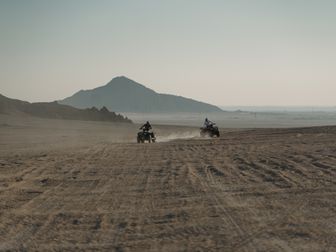
Arizona beginner trails usually mean desert two-track, decomposed granite, hardpack, sandy stretches, and occasional embedded rock, not muddy forest singletrack. That is good news for newer ATV riders because visibility is often excellent and the roads tend to be wider than mountain trail systems.
At Bulldog Canyon OHV Area, riders typically encounter broad dirt roads, loose gravel, shallow ruts, washboard sections, and occasional rocky patches. Grades are usually mild to moderate, though some side roads get rougher. There are no major creek crossings, but rain can reshape washes and create erosion cuts.
The Boulders OHV Area north of Phoenix is one of the better places for learning because many routes are open, fairly wide, and less intimidating than technical canyon trails. Surfaces range from packed dirt to small rock and sandy corners. You may run into whoops, wash crossings, and loose climbs, but many of the main roads remain manageable if you stay on easier spurs.
Box Canyon Recreation Area near Florence is known for scenic canyon riding, but beginners should stick to the easier access roads and open desert routes rather than pushing into tighter, rougher sections after storms. Expect hard desert dirt, shallow sand, some shelfy rock, and broad wash areas. Flash-flood damage can change conditions quickly.
In the Lake Havasu / Standard Wash area, terrain often includes flatter desert roads, gravelly washes, and sandy stretches. The openness helps new riders, but the combination of heat, glare, and loose wash bottoms can tire out inexperienced riders faster than expected.
Around Wickenburg, easier BLM roads often feature smooth hardpack mixed with small embedded rock and rolling grades. These roads are often ideal for practicing basic body position, braking, and line choice without constant technical pressure.
Across all of these systems, the biggest environmental challenge is not usually obstacles. It is sun and heat exposure. Shade is limited, water sources are scarce, and temperatures can become dangerous quickly outside the cooler months.
Difficulty & Who It's For
We use the common Green / Blue / Black / Double-Black scale to help riders match trails to their experience level.
Green: Best for true beginners
Green routes in Arizona usually mean wide desert roads, gentle grades, clear sight lines, and minimal technical obstacles. These are best for:
- First-time ATV riders
- Families with younger riders on age-appropriate machines
- Riders learning throttle control and braking
- Anyone wanting a relaxed scenic ride
Examples include easier roads in Boulders OHV Area, selected permit roads in Bulldog Canyon, and flatter open desert roads near Wickenburg.
Blue: Good for progressing beginners
Easy Blue routes may add looser rock, deeper sand, wash crossings, steeper pitches, or tighter turns. These are suitable for:
- Beginners with one or two rides under their belt
- Riders comfortable standing on the pegs/floorboards over rougher sections
- Small groups with at least one experienced ride leader
Examples include some side routes in Box Canyon and rougher connectors in Bulldog Canyon.
Black and Double-Black: Not the target for this guide
Arizona has plenty of advanced routes with rock ledges, steep climbs, deep washes, and remote technical terrain. We do not recommend those for new riders. If a route narrows sharply, drops into a boulder-strewn wash, or shows severe erosion, that is a good sign to turn around and stay on the easier network.
Overall, the systems in this guide are best described as Green with optional easy Blue sections. That makes them ideal for riders who want confidence-building terrain rather than a high-consequence challenge.
Gear for This Trail
For beginner-friendly Arizona desert riding, we recommend gear that focuses on ventilation, dust control, navigation, hydration, and basic recovery. Since these trails are usually wide and not extremely technical, your gear priorities are different than they would be for mud bogs or mountain rock crawling.
| Gear Type | Brand | Product | Why It Suits This Trail | Approx. Price |
|---|---|---|---|---|
| Helmet | Bell | Qualifier DLX MIPS Helmet | Good ventilation, full-face coverage for dust and desert brush, and MIPS adds protection for newer riders still building confidence. | $230-$320 |
| Gloves | Fox Racing | Dirtpaw Gloves | Lightweight, breathable, and affordable for hot Arizona rides where grip and comfort matter more than cold-weather insulation. | $25-$35 |
| Chest/Upper Body Protection | Alpinestars | Bionic Action V2 Protection Jacket | Useful for beginners who may clip bars, get bounced in washboard sections, or want more confidence on rocky connectors without going overly bulky. | $180-$250 |
| Terrain-Specific Navigation Item | Garmin | Tread Powersport GPS | Arizona desert road networks can be confusing, and a powersports-specific GPS helps riders stay on legal routes and avoid wrong turns in remote wash areas. | $500-$700 |
| Recovery/Safety Item | Rhino USA | Tow Strap Recovery Kit | Even easy desert roads can leave a machine stuck in loose sand or washed-out sections; a simple recovery strap is one of the most practical items to carry. | $30-$50 |
| Comfort/Utility Item | CamelBak | M.U.L.E. Hydration Pack | Heat exposure is the biggest issue on these trails, and a quality hydration pack makes it easier to drink consistently during long, sunny rides. | $110-$140 |
A few optional add-ons also make sense here: tinted goggles for glare, a small first-aid kit, sunscreen, and a handlebar-mounted phone or map backup. We also recommend carrying more water than you think you need, especially in the Phoenix and Florence areas.
Permits & Access
Arizona OHV access rules can vary by land manager, so riders should always confirm current requirements before heading out. In general, these are the key things to know.
Arizona OHV Decal
Most ATVs operated off-highway in Arizona need the Arizona OHV Decal, which is issued through the Arizona Department of Transportation Motor Vehicle Division. The decal cost is commonly about $25 annually, though registration-related fees can change. Your ATV must also be properly titled/registered as required by the state.
Tonto National Forest Permit
For Bulldog Canyon OHV Area, riders need a Tonto Motorized Vehicle Use Permit. This permit is typically free, but it is required for access through the designated gates and routes in that area. You usually obtain it through the Tonto National Forest system and must follow the specific route map tied to the permit.
State Trust Land Permit
Some Arizona riding areas and connecting roads may cross Arizona State Trust Land. If your route enters those sections, a Recreational Permit may be required from the Arizona State Land Department. Costs can change, but individual permits are generally modest and worth checking in advance.
Parking and Staging
- Bulldog Canyon: Staging is limited to designated access points and gate areas; arrive early on cooler weekends.
- Boulders OHV Area: Several informal staging spots and trailhead pull-offs exist north of Phoenix, but conditions and crowding vary.
- Box Canyon / Florence: Riders often stage near established access roads and open desert pull-outs; verify current legal parking.
- Lake Havasu / Standard Wash: Multiple desert access points are available, but check city, BLM, or county rules depending on location.
- Wickenburg area: BLM access is generally straightforward, though some roads are shared with ranch, mining, or utility traffic.
Reservations
Most of these beginner systems do not require reservations for standard day riding. The main exception is that Bulldog Canyon access is controlled by permit, so you should secure the permit before your trip rather than assuming same-day access.
Tips for Riding This System
- Ride early, especially near Phoenix, Florence, and Havasu. Arizona desert heat builds fast, and beginner riders fatigue sooner when temperatures climb.
- Stay on obvious Green routes at first. Wide main roads are the best place to learn body position, braking, and smooth throttle control before trying rougher connectors.
- Watch for wash crossings after storms. Even easy roads can develop erosion cuts, loose berms, or deeper sand after rain.
- Carry more water than a short ride seems to require. The dry air can dehydrate riders quickly, and there may be no shade or services once you leave town.
- Use navigation, not memory. Desert road networks can look similar, and side roads often branch unexpectedly. A GPS or downloaded offline map is a smart safety tool.
- Expect two-way traffic. These are not private ATV parks. Jeeps, UTVs, dirt bikes, and trucks may appear around blind corners or in washes.
- Turn around before the trail turns technical. If you start seeing larger ledges, very loose hill climbs, or narrow rocky wash bottoms, that usually means you’ve left the beginner-friendly section.
FAQ
What is the best beginner ATV area near Phoenix?
We recommend starting with the Boulders OHV Area or selected permitted routes in Bulldog Canyon OHV Area. Both offer accessible desert riding, though Bulldog Canyon requires a Tonto permit.
Do I need an OHV sticker for beginner ATV trails in Arizona?
In most cases, yes. Arizona generally requires an OHV Decal for off-highway operation of qualifying ATVs, along with proper registration requirements.
Are these trails safe for kids and families?
Many Green-rated roads can work well for families, but only if the machine size is age-appropriate, riders wear full protective gear, and the group avoids hotter afternoon conditions and rougher Blue sections.
When is the best time to ride beginner ATV trails in Arizona?
The best season is usually October through April. Winter and early spring offer the most comfortable temperatures for long desert rides, while summer can be dangerously hot.
Get our best guides in your inbox
Final Thoughts
Arizona is one of the better states in the Southwest for building off-road confidence because it offers so many wide, scenic desert routes with relatively low technical difficulty. For new riders, the sweet spot is choosing legal OHV areas with broad roads, limited obstacles, and easy turnaround options. That is why we keep coming back to Bulldog Canyon, Boulders, Box Canyon’s easier roads, Lake Havasu desert routes, and Wickenburg-area BLM roads as top picks.

The biggest mistake beginners make in Arizona is underestimating the environment rather than the trail. Heat, sun, dust, and navigation matter just as much as riding skill here. Plan around cooler months, secure the right permits, carry more water than you expect to need, and keep your first routes simple. Done right, these beginner-friendly Arizona trails offer some of the best low-stress ATV riding in the region.
If you're planning your first desert trip, we recommend choosing one Green-rated route, riding in the morning, and focusing on comfort and confidence rather than mileage. That approach usually leads to the best first experience on Arizona dirt.
Top Picks & Comparison
| # | Product | Price | Rating | ||
|---|---|---|---|---|---|
| #1 | |
The Great Western Trail in Arizona |
For $2.99 to buy | (72) | Check Price on Amazon → |
| #2 |  |
ATV Trails Guide Arizona Phoenix Region |
$15.99 | (82) | Check Price on Amazon → |
| #3 |  |
GT Arizona Backroads & 4-Wheel (FunTreks Guidebooks) |
$27.13 | (1,036) | Check Price on Amazon → |
| #4 |  |
Guide to Arizona Backroads & 4-Wheel-Drive Trails: Easy, Moderate, Difficult |
$35.46 | (732) | Check Price on Amazon → |