Best High-Altitude ATV Trails in Colorado (2026)

Alana Azzouz is a Senior Editor at Searchshop Media Network with over a decade of experience in consumer content quality and editorial standards. She has reviewed thousands of product guides, buying articles, and comp…
Why trust us
BestATVTrails trail guides are researched by riders with decades of powersports experience. Our lead researcher spent 30+ years in powersports retail and has ridden trails across a dozen US states. Every gear recommendation is sourced from real product research matched to specific terrain — not paid placements or generic affiliate lists.
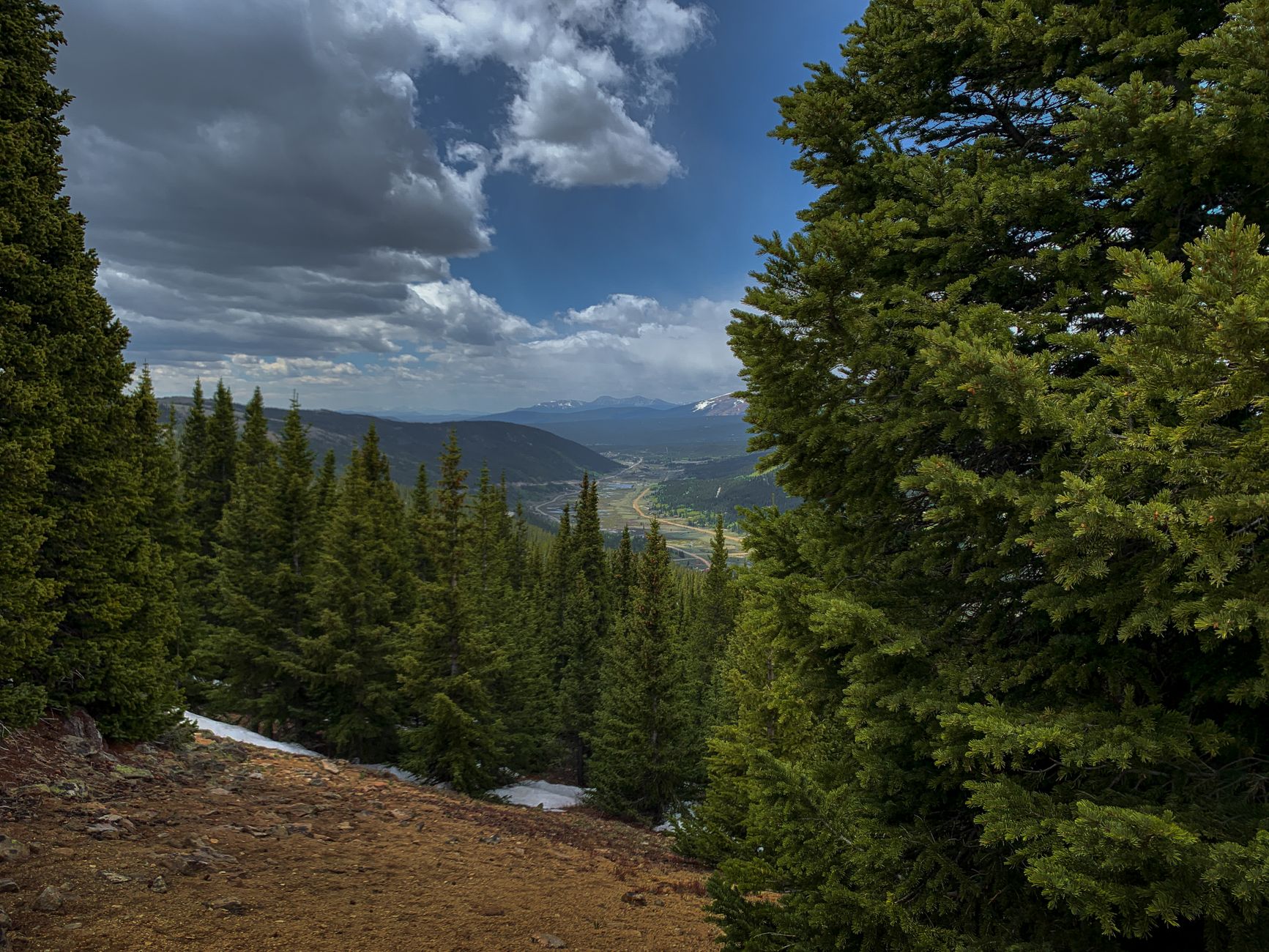
Best High-Altitude ATV Trails in Colorado
Gear for This Trail

At elevations above 10,000 feet, we recommend gear that addresses cold wind, rock impact, navigation, and self-recovery. The products below are well-matched to Colorado's alpine ATV conditions.
| Gear Type | Brand | Product | Why It Suits This Trail | Approx. Price |
|---|---|---|---|---|
| Helmet | Bell | Qualifier Full-Face Helmet | A full-face helmet helps with cold wind, blowing grit, and sudden weather changes common above treeline. The Bell Qualifier is a practical choice for long mountain rides where temperature and dust can shift quickly. | $120-$180 |
| Protective Gear | Alpinestars | Bionic Action Chest Protector | Rocky climbs, shelf roads, and handlebar-level impacts make upper-body protection a smart choice on Colorado's technical alpine routes. This model offers solid coverage without feeling overly bulky for seated and standing riding. | $130-$180 |
 Gloves Gloves |
Fox Racing | Dirtpaw Gloves | Thin air and cold mornings can make hand fatigue worse, and these gloves provide dependable grip and abrasion protection for rocky, high-vibration trails. They work well for riders constantly modulating throttle and brake on loose descents. | $25-$40 |
| Terrain-Specific Item | Garmin | Tread Powersport GPS | High-altitude trail systems often have multiple mining-road spurs and weather can reduce visibility fast. A dedicated GPS helps riders track designated routes, avoid wrong turns, and navigate complex backcountry networks more confidently than relying on weak cell service. | $500-$700 |
| Recovery Item | Rhino USA | Recovery Tow Strap | Even moderate alpine routes can leave a machine stuck on loose rock, mud, or a washed-out climb. A quality tow strap is one of the simplest recovery tools to carry when riding remote Colorado passes with a group. | $30-$45 |
| Comfort/Utility Item | Kemimoto | ATV Rear Cargo Bag | High-country rides demand extra layers, water, snacks, tools, and emergency supplies. A weather-resistant rear cargo bag helps organize cold-weather gear and keeps essentials accessible during long days far from town. | $70-$120 |
If your machine allows it, we also strongly recommend quality skid protection and fresh all-terrain or rock-focused tires before riding Colorado's higher passes.
Introduction
If you're searching for the best high altitude ATV trails Colorado has to offer, you'll find no shortage of alpine passes, historic mining roads, and rugged mountain terrain that starts where many other trail systems top out. Colorado's high-country riding is famous for elevations above 10,000 feet, dramatic views, and routes that link ghost towns, tundra basins, and narrow shelf roads in one day. Riders come here for the combination of scenery and challenge: thin air that affects both machine and rider, cold weather even in midsummer, and technical climbs that reward preparation.
For this guide, we focused on the best-known ATV-accessible high-elevation systems and passes, including the Alpine Loop near Lake City and Silverton, Taylor Park's high-country routes, the Aspen Loop area above Creede, and the Argentine Pass and Kingston Peak zone near Georgetown. These trails are not casual lowland loops. They demand solid line choice, weather awareness, and gear suited to rocks, loose climbs, and fast-changing mountain conditions. For riders who want true alpine adventure, Colorado delivers some of the most memorable ATV terrain in the West.
Trail Overview

Rather than one single trail, Colorado's best high-altitude ATV riding is spread across several iconic mountain systems. Here are the most relevant high-country options for ATV riders.
1. Alpine Loop Backcountry Byway
- Area: Lake City / Silverton / Ouray
- Approximate rideable mileage: 65+ miles depending on route combinations
- Difficulty range: Blue to Black
- Elevation: Roughly 9,600 to over 12,800 feet
- Key passes/trails: Cinnamon Pass, Engineer Pass, California Pass access roads, Animas Forks area
- Permit requirements: Colorado OHV registration or permit required for qualifying OHVs
- Best season: Late June through September, sometimes into early October depending on snow
- Nearest towns: Lake City, Silverton, Ouray
2. Taylor Park High-Country Trails
- Area: Taylor Park / Gunnison / Buena Vista region
- Approximate rideable mileage: 100+ miles across connected trail networks and roads
- Difficulty range: Green to Double-Black depending on route
- Elevation: About 9,300 to over 12,000 feet
- Key routes: Italian Creek, American Flag Mountain area, Tincup Pass approaches, Hancock area connectors
- Permit requirements: Colorado OHV registration or permit required for OHV trails
- Best season: July through September
- Nearest town: Almont, with Gunnison and Buena Vista as common bases
3. Aspen Loop / Creede High Country
- Area: Rio Grande National Forest near Creede
- Approximate rideable mileage: 50+ miles with spurs and connecting roads
- Difficulty range: Green to Blue, with some Black segments nearby
- Elevation: Around 9,000 to 12,000 feet
- Key routes: Bachelor Loop connections, high meadows and forest roads around the Aspen Loop network
- Permit requirements: Colorado OHV registration or permit for OHV use where required
- Best season: July through September
- Nearest town: Creede
4. Argentine Pass / Kingston Peak Area
- Area: Georgetown / Clear Creek County
- Approximate rideable mileage: 20-35 miles depending on route links
- Difficulty range: Blue to Black
- Elevation: About 10,500 to nearly 13,200 feet
- Key routes: Argentine Pass Road, Kingston Peak Road, nearby alpine connectors
- Permit requirements: Colorado OHV registration or permit for OHV use on designated routes
- Best season: Mid-July through September
- Nearest town: Georgetown
Trail Conditions & Terrain
High-altitude Colorado ATV riding is defined by constant variation. In a single ride, we may see hard-packed dirt roads, embedded rock ledges, loose baby-head boulders, shallow creek crossings, mud pockets from snowmelt, and narrow shelf sections with steep exposure. The biggest difference between these trails and lower-elevation routes is not just the scenery; it's how quickly conditions change.
On the Alpine Loop, the surface is typically a mix of graded county road, loose shale, broken rock, and old mining-road rubble. Cinnamon Pass tends to be more approachable for experienced intermediate riders, while Engineer Pass often feels rougher, with tighter rocky sections and more technical line choice. Expect washboards on easier stretches and step-like rock shelves in steeper climbs. Afternoon storms can turn already loose sections slick and rutted.
In Taylor Park, terrain ranges from smoother forest access roads to aggressive rock gardens and steep, technical climbs. Some routes are fast and flowing, while others punish poor suspension setup and low ground clearance. This area is known for routes that can escalate quickly from scenic to highly technical, especially where erosion has exposed larger rock and where sidehill sections narrow.
The Creede/Aspen Loop zone is generally less punishing than the hardest alpine routes, but riders still encounter loose climbs, water bars, embedded stone, and wet areas that hold moisture longer due to shade and elevation. This is a good place for riders who want the high-country feel without spending all day in severe rock.
The Argentine Pass and Kingston Peak area is more technical than its mileage suggests. The route can include loose scree, off-camber shelf roads, water damage, and rocky switchbacks. Because these trails sit so high, snowfields and runoff may linger well into summer. Wind exposure is also a real factor above treeline.
Across all of these systems, the main obstacles are:
- Loose rock and shale on climbs
- Tight switchbacks on mountain roads
- Shelf-road exposure with limited room to correct mistakes
- Water crossings or runoff channels
- Sudden weather shifts, including hail and near-freezing temperatures
- Reduced engine performance due to thin air
Difficulty & Who It's For
We use the Green / Blue / Black / Double-Black scale to help riders match expectations to skill level.
Green
These are easier forest roads, wider connectors, and smoother segments with mild grades and fewer technical obstacles. In high-altitude Colorado, even Green routes can feel harder than expected because of elevation and weather. We recommend Green sections for newer ATV riders with basic machine control who want scenic alpine access without committing to severe rock or shelf exposure.
Blue
Blue routes are the sweet spot for many riders in Colorado's high country. Expect loose climbs, moderate rock, occasional narrow sections, and the need for steady throttle control. Much of the easier Alpine Loop experience and parts of Aspen Loop fit here. Blue is best for riders with some trail experience who are comfortable standing on the pegs, reading terrain, and managing descents.
Black
Black-rated routes involve steeper grades, larger embedded rock, more exposure, sharper switchbacks, and less margin for error. Parts of Engineer Pass approaches, Kingston Peak, and technical Taylor Park routes belong in this category. We recommend Black trails for experienced mountain riders with capable machines, good tires, and confidence in rough terrain.
Double-Black
Double-Black routes in Colorado's alpine zones are highly technical and often include severe rock gardens, ledges, significant exposure, and route-finding challenges. Some advanced trails in the broader Taylor Park network fall here, though they may not be ideal for loaded recreational ATV riders. These are best left to expert riders with strong recovery planning and a group, not solo travelers.
Best fit overall: Most visiting riders looking for classic alpine scenery should target Blue to moderate Black routes. That's where Colorado's high-country ATV experience is most rewarding without becoming a full-day survival exercise.
Permits & Access
For most of these routes, riders need to understand both Colorado OHV requirements and local access logistics.
Colorado OHV Registration and Permit Basics
Colorado requires most off-highway vehicles used on public lands to display either:
- A valid Colorado OHV registration, or
- A Colorado OHV permit for out-of-state vehicles
The fee changes periodically, but riders should expect to pay roughly $25-$30 for an OHV permit or registration in many cases. We recommend checking Colorado Parks and Wildlife before your trip for the current fee and display requirements.
Parking and Staging
- Alpine Loop: Common staging areas are near Lake City and Silverton, with trailer parking available in designated lots and pull-offs. Arrive early in peak season because 4x4 traffic is heavy.
- Taylor Park: Taylor Park Trading Post area and nearby trailheads are common staging points. Parking fills quickly on summer weekends.
- Creede/Aspen Loop: Creede offers convenient staging and access to surrounding forest roads and OHV routes.
- Georgetown/Argentine Pass: Parking is more limited and route access can be tighter due to county-road use and mixed recreation traffic.
Reservation Requirements
Most of these trail systems do not require reservations for day riding. However:
- Nearby campgrounds may require reservations through Recreation.gov or local operators.
- Some trailheads may have seasonal closures or temporary restrictions due to weather, road damage, or restoration work.
Access Notes
- Stay on designated motorized routes only.
- Seasonal openings vary with snowpack; many high passes are not reliably open until late June or July.
- County roads on the Alpine Loop may be shared with jeeps, SxSs, motorcycles, bicycles, and sightseeing traffic.
- Fire restrictions and storm-related closures are common in summer.
Tips for Riding This System
- Start earlier than you think you need to. Afternoon lightning and hail are common above treeline, especially on the Alpine Loop and Argentine Pass. Morning starts give you better weather and lighter traffic.
- Expect power loss from elevation. Naturally aspirated ATVs will feel softer above 10,000 feet. We recommend conservative throttle use on climbs and extra stopping distance on descents.
- Pack layers even in July. A sunny trailhead can turn into 38-degree wind and sleet at the pass. Bring a shell, warm gloves, and a dry base layer.
- Fuel up before heading out. Distances may look short on a map, but low-speed rock work and elevation can increase fuel use. Lake City, Silverton, Gunnison, and Creede are important service points.
- Ride shelf roads with patience. On exposed sections, keep your eyes ahead, stay smooth on the bars, and avoid abrupt braking. Let wider vehicles pass only where visibility and space are clearly safe.
- Watch for mixed traffic. These routes are popular with jeeps, rental UTVs, dirt bikes, and tourists. Blind corners and dust can hide oncoming vehicles.
- Download maps before leaving town. Cell coverage is unreliable in much of Colorado's high country. A dedicated GPS or offline map app is a major advantage.
FAQ
Are the Alpine Loop trails suitable for beginner ATV riders?
Parts of the Alpine Loop can work for confident beginners on easier segments, but the full system is better for intermediate riders. Elevation, loose rock, and shelf-road exposure make it more serious than a typical scenic forest route.
Do we need an OHV sticker for out-of-state ATVs in Colorado?
Yes, in most cases out-of-state riders need a Colorado OHV permit to ride designated OHV trails and routes on public land. Check Colorado Parks and Wildlife for current rules before your trip.
When do high-altitude ATV trails in Colorado usually open?
Most routes above 10,000 feet open sometime between late June and mid-July, depending on snowpack, runoff, and road maintenance. Heavy snow years can delay access well into summer.
What is the highest ATV-accessible area in these trail systems?
Several routes climb above 12,000 feet, with passes like Argentine Pass and sections of the Alpine Loop reaching some of the highest ATV-accessible elevations in the state. Conditions at those heights can change very quickly.
Colorado's alpine trail systems offer some of the most memorable mountain riding in the country, but they reward preparation more than bravado. We researched these routes with a focus on real-world access, terrain, and equipment needs so riders can plan smarter for thin air, cold weather, and technical climbs. If your goal is a true above-treeline adventure, the best high-altitude ATV trails in Colorado deliver exactly that.
Get our best guides in your inbox
Top Picks & Comparison
| # | Product | Price | Rating | ||
|---|---|---|---|---|---|
| #1 | 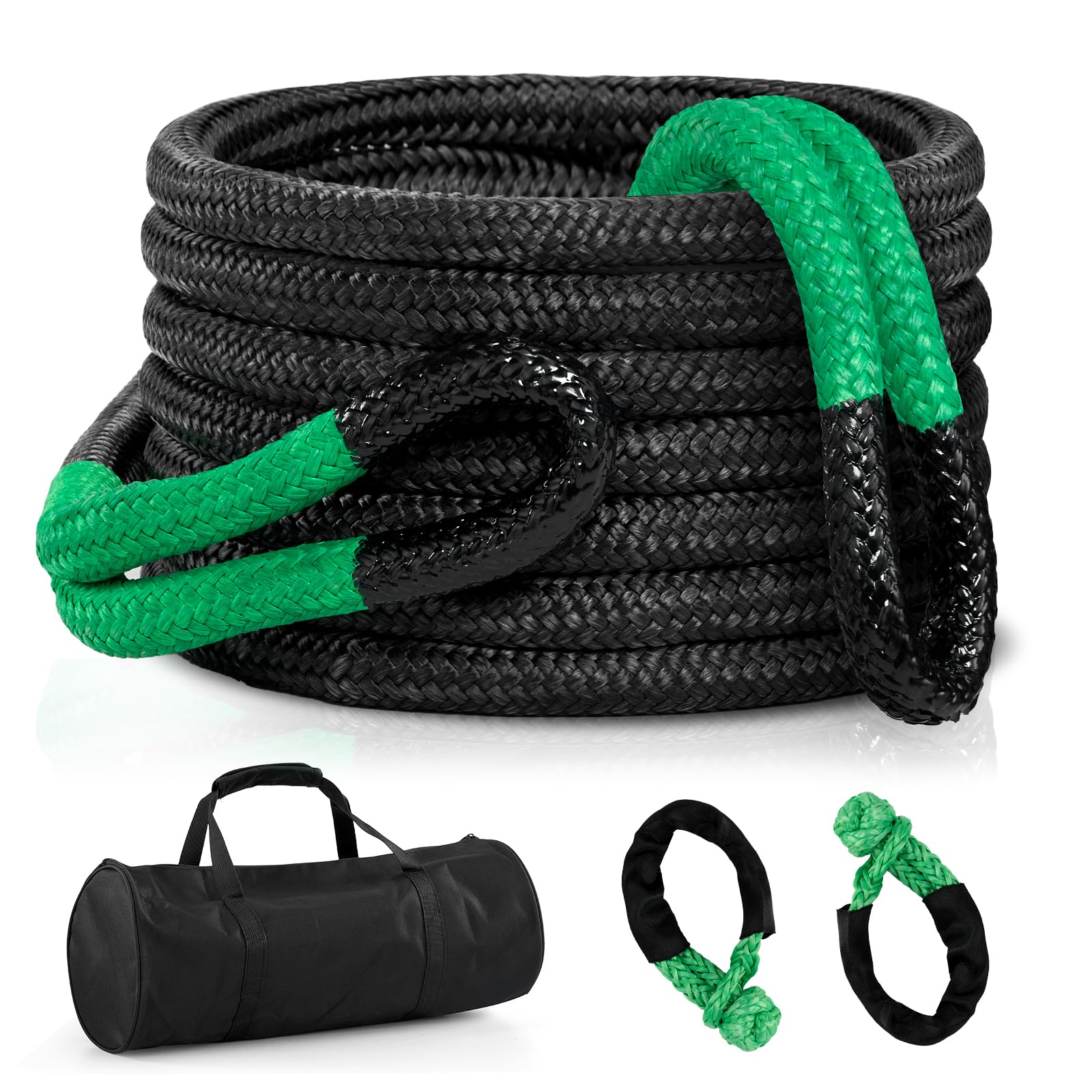 |
Kinetic Recovery Rope Kit w/ 2 Soft Shackles,55000Lbs, 1.26" x30ft, Heavy Duty Offroad Towing Straps Kit for Trucks SUV UTV ATV Tractor Car Jeep |
$67.99 | (1) | Check Price on Amazon → |
| #2 | |
X-BULL Off-Road 4×4 Recovery Kit - Heavy Duty 3'' x 30' (31518LBS) 100% Nylon Tow Strap+41887lbs Break Strength D-Ring Shackles (2pcs)+Block Pulley+Gear Storage Bag +Gloves for ATV/UTV Jeep Truck |
$102.90 | (16) | Check Price on Amazon → |
| #3 |  |
1" x30ft Kinetic Recovery Rope (48,500lbs) – Heavy Duty Recovery Kit with Tow Strap, 2 Soft Shackles (7/16"x22"), Off-Road Shovel & Carry Bag – Ideal for Trucks, SUVs, ATVs, UTVs |
$59.95 | (117) | Check Price on Amazon → |
| #4 |  |
VEVOR Off-Road Recovery Kit, 3" x 30' Tow Straps Heavy Duty with Hooks 30,000 lbs Winch Strap Kit, 44092 lbs D-Ring Shackles, Shackle Receiver, Snatch Block Pulley, Gloves, Storage Bag for ATV Jeep |
$94.90 | (252) | Check Price on Amazon → |
| #5 | 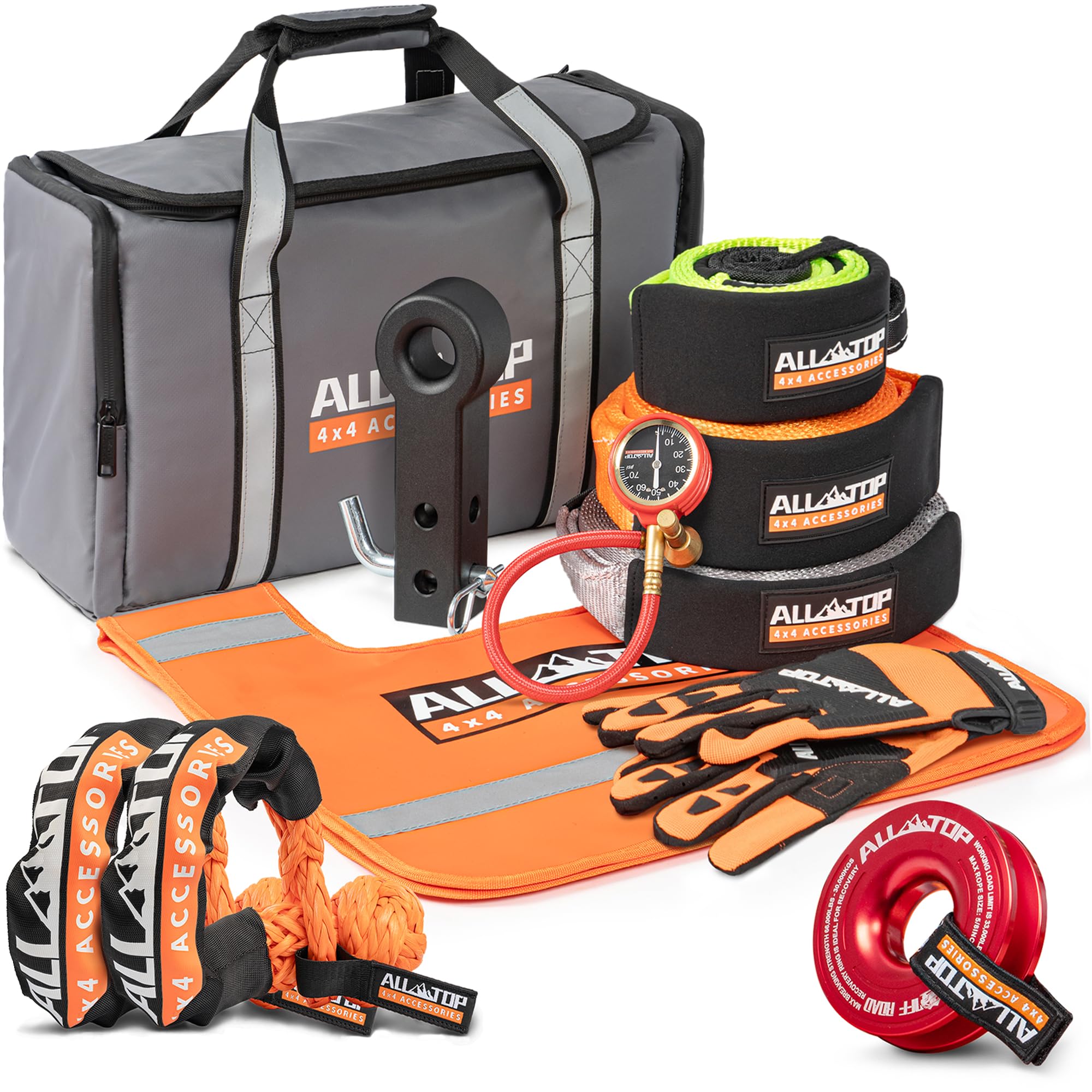 |
ALL-TOP Recovery Pack Pro 11in1: Water-Resist Offroad Gear Bag with Recovery Strap Kit(3), Damper, 2 Soft Shackles, SS Hitch Mount, Recovery Ring, Deflator & Gloves |
$299.99 | (2) | Check Price on Amazon → |
| #6 |  |
YATOINTO Off Road Recovery Kit 10 Ton Heavy Duty Snatch Block Pulley, Tree Saver Strap 3" x8' and 2pc D Ring Shackles 3/4" Recovery Winch Accessories for Car Truck SUV ATV |
$32.90 | (49) | Check Price on Amazon → |
| #7 | 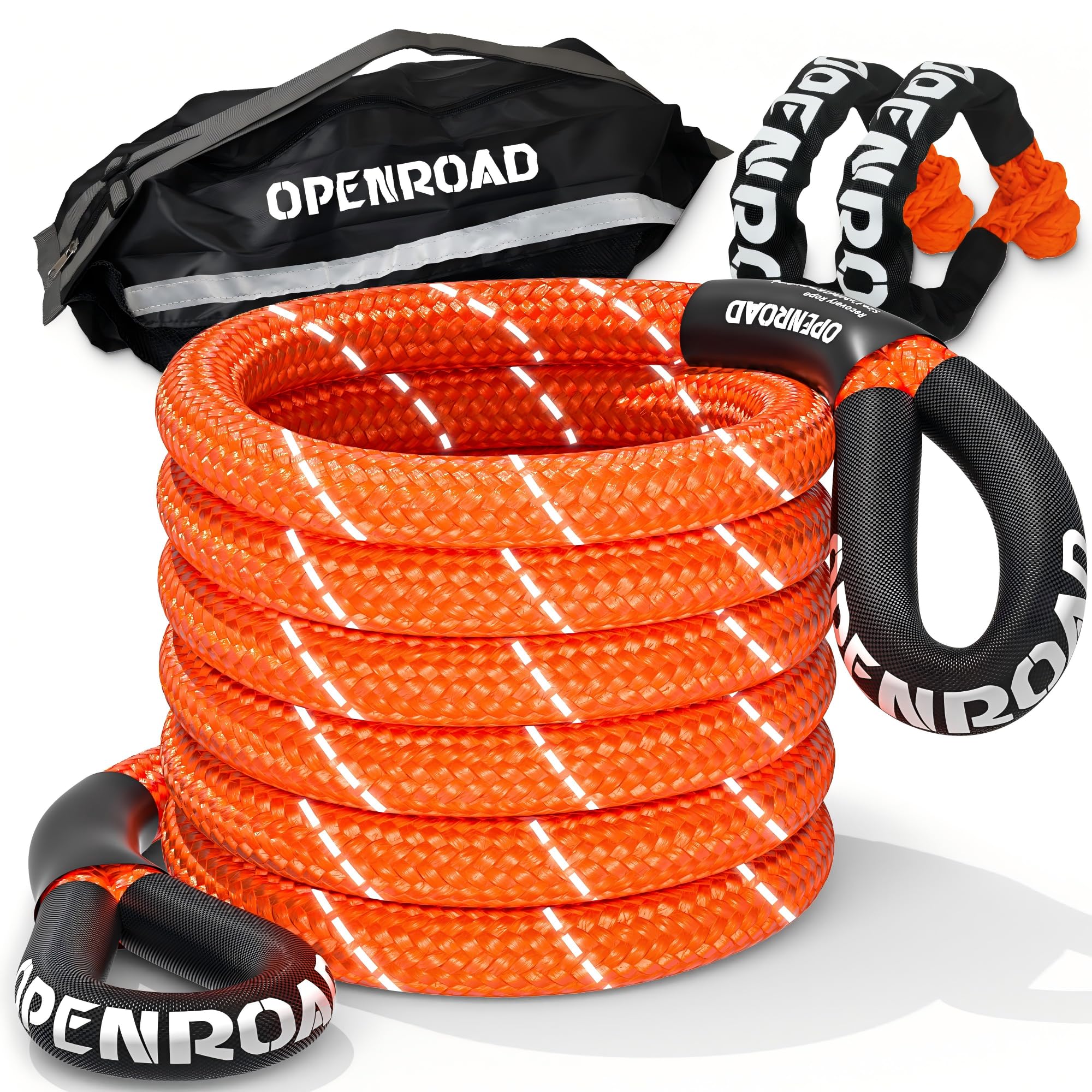 |
OPENROAD Kinetic Recovery Tow Rope, 36000 Lbs (1in x 30ft Orange with Soft Shackle) Extreme Duty 35% Elasticity Energy Offroad Snatch Strap, Vehicle Recovery Kit for Jeep Car Truck ATV UTV SUV |
$59.99 | (125) | Check Price on Amazon → |
| #8 |  |
Rhino USA Heavy-Duty Recovery Gear Combos Off-Road Truck Vehicle Recovery, Best Offroad Towing Accessories - Backed for Life (20' Strap + Hitch) |
$89.00 | (564) | Check Price on Amazon → |