Best Sand ATV Trails in Florida: OHV Areas and WMAs (2026)

Salem Hassan founded Travelcamp RV and brings 30+ years of hands-on RV, marine, and powersports retail experience to every review.
Why trust us
BestATVTrails trail guides are researched by riders with decades of powersports experience. Our lead researcher spent 30+ years in powersports retail and has ridden trails across a dozen US states. Every gear recommendation is sourced from real product research matched to specific terrain — not paid placements or generic affiliate lists.

Best Sand ATV Trails in Florida: OHV Areas and WMAs
Trail Overview

Because Florida does not have one single statewide sand trail network for ATVs, the best approach is to look at the major legal riding areas that consistently come up for sandy terrain.
Top Florida Sand Riding Areas at a Glance
| Area | Approx. Miles | Difficulty | Elevation | Permit/Pass | Best Season | Nearest Town |
|---|---|---|---|---|---|---|
| Apalachicola National Forest OHV Trail System | ~100 miles | Green to Blue | Mostly flat, low elevation | Day use/entry rules may apply; verify with Forest Service | Fall through spring | Tallahassee / Crawfordville |
| Osceola National Forest OHV Trail System | ~200 miles of designated OHV opportunity often cited across connected routes/roads; verify current open mileage | Green to Blue | Flat to gently rolling | OHV trail pass/fees and vehicle rules vary by area; verify before trip | Fall through spring | Lake City |
| Croom Motorcycle Area (Withlacoochee State Forest) | ~50 miles, primarily motorcycle-focused trails; ATV access rules can be limited or restricted, verify current status before planning | Blue | Slightly rolling sand hills | State forest fees and OHV rules apply | Fall through spring | Brooksville |
| Selected WMAs with motorized access roads/trails | Varies widely | Green | Flat | Quota permits, WMA permits, or seasonal access may apply | Hunting off-season windows where allowed | Varies by WMA |
Best Overall Pick for Dedicated Sandy ATV Riding
For most ATV riders looking for a true sand-focused experience, Apalachicola National Forest OHV Trail System is the standout. It is one of the better-known legal options for long sandy routes through pine flatwoods, with enough mileage to make a full weekend worthwhile.
Introduction
If you are searching for sand ATV trails Florida riders actually use, Florida offers a very specific kind of off-road experience: deep sugar sand, flat pine forest routes, warm weather through most of the year, and humidity that can turn an easy ride into a physically demanding one. Unlike mountain trail systems in the Appalachians or rocky desert loops in the Southwest, Florida riding is more about momentum, tire setup, heat management, and staying alert for whoops, puddles, and soft shoulders.
We researched the most relevant legal riding options for ATV riders who want sandy terrain in Florida, including dedicated OHV areas and Wildlife Management Area access where motorized riding is allowed under specific rules. Riders visit these systems for fast sandy straights, beginner-friendly topography, long sightlines through pine flatwoods, and the chance to ride almost year-round. The tradeoff is that Florida sand can be deceptively difficult. Even a flat trail can feel technical when your front end starts to plow, afternoon thunderstorms roll in, and every stop means digging out in loose sugar sand.
Below, we break down the best-known places to ride, what the terrain is really like, what permits you may need, and the gear we recommend for Florida’s sandy trail conditions.
Trail Conditions & Terrain

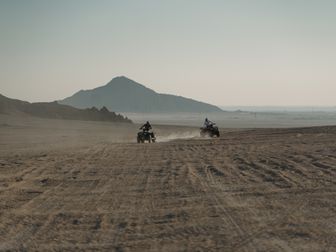
Florida sand riding is its own skill set. Across the state’s OHV systems and legal motorized routes, the terrain is usually defined by sugar sand, hard-packed sand sections, pine needles over sandy base, shallow mud after storms, and occasional standing water in low spots. The land is generally flat, but that does not make it easy.
At Apalachicola National Forest, riders can expect long stretches of pale, loose sand that gets churned up by traffic. In dry periods, the top layer becomes powdery and deep, especially in corners and on trail approaches where riders brake too late. In wetter months, some sections firm up slightly, but puddles can hide soft bottoms. The forest setting adds roots, occasional washboarding, and whooped-out areas where repeated throttle inputs have carved a rhythm into the trail.
At Osceola National Forest, sandy roads and OHV routes often feel faster and more open. The challenge is less about steep climbs and more about keeping the ATV floating through soft sections without overcorrecting. Expect palmetto-lined corridors, low brush, and periodic wet areas after rain. Mosquitoes and humidity can be as memorable as the trail itself.
Where legal motorized access exists in WMAs, conditions can vary from sandy two-track and forest roads to mixed dirt-and-sand routes. These are usually less like a dedicated trail park and more like access corridors through wildlife habitat. That means fewer built features, more seasonal closures, and stricter route compliance.
What Makes Florida Sand Difficult
- Deep front-end push: The front tires can knife into loose sugar sand if speed drops too much.
- Heat and humidity: Even in winter, riders can dehydrate faster than expected.
- Whoops and braking bumps: Flat terrain develops repetitive chop that wears out arms and shoulders.
- Storm changes: Afternoon rain can turn a dusty trail into a mix of puddles, slick roots, and hidden washouts.
- Limited elevation cues: On flat land, it is easier to ride too fast because the terrain looks forgiving.
Creek crossings are generally less common than in Appalachian trail systems, but water-filled depressions, drainage cuts, and swampy edges are common enough that riders should still carry recovery gear and avoid assuming a puddle is shallow.
Difficulty & Who It's For
Florida’s sand systems usually rate from Green to Blue, with occasional Black-style sections created by depth of sand, whoops, water, or rider fatigue rather than cliffs or technical rock obstacles.
Green
Who it suits: Newer ATV riders, family groups, and anyone comfortable with basic throttle control.
These sections are typically wide, relatively straight, and flat. The challenge comes from learning to stay loose on the bars, keep momentum, and avoid abrupt braking in soft sand. A beginner from a hardpack or farm-road background may still find Florida sand harder than expected.
Blue
Who it suits: Intermediate riders who already understand body positioning and momentum management.
This is the most common overall rating for Florida sand ATV riding. Blue sections may include deeper whoops, churned corners, longer soft stretches, hidden holes after rain, and tighter forest corridors. If you can ride standing up when needed and recover from front-end wander without panicking, you will be comfortable here.
Black
Who it suits: Experienced riders on appropriate machines with good tires and stamina.
In Florida, Black-level difficulty usually comes from conditions, not terrain height. A trail can become Black when sugar sand is extremely deep, visibility is reduced by dust, and repeated whoops make the route physically demanding. Add summer heat or stormwater, and a flat trail can become a serious workout.
Double-Black
Who it suits: Very experienced riders only.
Dedicated Double-Black ATV terrain is less common in Florida’s legal sand systems. However, isolated sections can feel that difficult when conditions are extreme, especially if riders are on overloaded utility quads, worn tires, or poor tire pressure. We would not classify most Florida OHV sand systems as true Double-Black destinations overall.
Gear for This Trail
For Florida sand, we recommend prioritizing ventilation, eye protection, hydration, and tools that help in soft terrain. The products below are matched to deep sand, flat high-speed sections, and hot, humid conditions.
| Gear Type | Brand | Product | Why It Suits Florida Sand Trails | Approx. Price |
|---|---|---|---|---|
| Helmet | Bell | Bell Qualifier Full-Face Helmet | Good airflow, a proven name-brand option, and full-face coverage for sand roost, dust, and insects on open Florida trails. | $120-$180 |
| Protective Gear | Alpinestars | Alpinestars Bionic Action Chest Protector | Lightweight protection with ventilation that makes more sense in hot, humid Florida conditions than a bulky roost guard. | $130-$180 |
| Gloves | Fox Racing | Fox Dirtpaw Gloves | Affordable gloves with enough grip for sandy bars and enough coverage for brush, while still breathing reasonably well in warm weather. | $25-$40 |
| Terrain-Specific Item | Rhino USA | Rhino USA Recovery Tow Strap | Deep sugar sand is notorious for burying ATVs when riders stop in the wrong place. A recovery strap is one of the most practical items to carry in Florida. | $30-$45 |
| Navigation | Garmin | Garmin Tread Powersport Navigator | Helpful in larger forest systems where sandy intersections can look similar and cell service may be inconsistent. Great for route tracking and backtracking. | $500-$700 |
| Comfort/Utility | CamelBak | CamelBak M.U.L.E. Hydration Pack | Hydration matters more in Florida than many riders expect. This pack helps manage heat and humidity on long sandy loops. | $100-$140 |
Why this gear mix works here
A helmet with solid ventilation matters because Florida heat can build quickly at low speeds. A chest protector and gloves help with brush, roost, and the fatigue that comes from repeated whoops. A recovery strap is the terrain-specific item we consider most useful here because sand gets riders stuck more often than rocks or ledges do. Finally, a hydration pack is nearly mandatory for long rides in humid conditions.
Permits & Access
Florida access rules can change by season, agency, and land unit, so we always recommend checking the managing office before loading up.
Parking
At larger OHV trailheads and staging areas, parking is usually available for trucks and trailers, but capacity can fill on cool-season weekends. Arrive early, especially during fall and winter when conditions are more comfortable and demand is highest.
Permit Costs and Passes
- National Forest OHV areas: Fees and pass structures vary. Some areas use day-use fees, while others may require OHV permits or designated trail passes.
- State forest systems: Florida state forest OHV access may involve entry fees, riding permits, or machine-specific rules.
- WMAs: Wildlife Management Areas may require a WMA permit, limited entry permit, or quota permit, depending on the unit and season.
Reservation Requirements
Most open forest OHV systems do not function like campground reservations for trail entry, but some adjacent camping areas do require advance booking. WMAs are more likely to involve seasonal or quota-based access rules.
OHV Sticker Requirements
Florida does not operate exactly like some Western states with a universal OHV sticker for every trail system. Requirements depend on the land manager. Riders should verify:
- Whether the ATV must be registered or titled for off-road use
- Whether a site-specific OHV permit is required
- Age restrictions and helmet rules
- Spark arrestor or muffler standards, if posted
Best Practice Before You Go
Call or check:
- US Forest Service for Apalachicola or Osceola access updates
- Florida Forest Service for state forest OHV rules
- Florida Fish and Wildlife Conservation Commission (FWC) for WMA motorized access rules
For WMAs in particular, never assume ATV recreation is generally allowed. Many WMAs only allow motorized use on designated roads, for hunting access, or during limited windows.
Tips for Riding This System
- Lower tire pressure within safe limits for sand. Florida sugar sand rewards flotation. We recommend checking your machine’s specs and using sand-appropriate pressure rather than running hardpack settings.
- Keep momentum, but do not charge blind corners. Momentum is your friend in deep sand, but many Florida trails have whoops, puddles, or oncoming traffic beyond palmetto-lined turns.
- Stand more than you think you need to. On whooped-out sandy sections, standing helps the ATV move beneath you and reduces arm fatigue.
- Hydrate before the ride starts. In Florida humidity, waiting until you feel thirsty is too late. Bring more water than you expect to need.
- Watch the weather radar. Afternoon storms can rapidly change trail conditions, especially in summer, and lightning is a real concern in flat forest terrain.
- Carry a strap even on easy trails. Sand gets riders stuck in places that do not look technical at all, especially if you stop on an uphill sand hump or soft shoulder.
- Clean your air filter often. Fine sand and dust can load a filter quickly, especially on busy weekends in dry conditions.
FAQ
1. What is the best time of year to ride sand ATV trails in Florida?
The best season is usually late fall through early spring. Temperatures are more manageable, bugs are often less intense, and humidity is lower than in peak summer. Summer riding is possible, but heat, storms, and standing water make it much more demanding.
2. Are Florida sand ATV trails good for beginners?
Yes, but with a caveat. The terrain is mostly flat, which helps beginners, but deep sugar sand is harder than it looks. New riders should start on wider, easier routes and focus on smooth throttle control and maintaining momentum.
3. Do I need a special ATV setup for Florida sand?
You do not necessarily need a dedicated sand build, but a few changes help a lot: proper tire pressure, a clean air filter, good cooling system maintenance, and recovery gear. If your current tires are worn or too aggressive for mixed terrain, handling in soft sand will suffer.
4. Can I ride an ATV in any Florida WMA?
No. Many WMAs either restrict ATV use heavily or only allow motorized travel on designated roads under specific permit conditions. Always verify the exact WMA rules with FWC before planning a trip.
Get our best guides in your inbox
Final Thoughts
Florida is one of the most underrated places in the Southeast for riders who enjoy sand. The state does not offer the elevation or rock crawling found elsewhere, but it delivers a distinct off-road style: long sandy corridors, pine flatwoods scenery, year-round riding potential, and a skill-building environment where momentum and heat management matter as much as horsepower.

Final Thoughts
Florida is one of the most underrated places in the Southeast for riders who enjoy sand. The state does not offer the elevation or rock crawling found elsewhere, but it delivers a distinct off-road style: long sandy corridors, pine flatwoods scenery, year-round riding potential, and a skill-building environment where momentum and heat management matter as much as horsepower.
14.64★★★★☆ (44)Check Price on Amazon →If your goal is to find the best sand ATV trails Florida has to offer, start with the better-known national forest OHV systems, verify current access rules, and gear up for dust, humidity, and recovery in soft terrain. We recommend planning around the cooler months, carrying more water than usual, and treating even “easy” flat trails with respect. In deep Florida sand, small mistakes turn into big workouts fast.
For more trail guides and off-road gear recommendations, BestATVTrails continues to research legal riding areas riders can actually use with confidence.
Top Picks & Comparison
| # | Product | Price | Rating | ||
|---|---|---|---|---|---|
| #1 | |
Sedona CY20119L Cyclone Sand Paddle Rear Tire - Left - 20x11-9 |
$114.64 | (44) | Check Price on Amazon → |
| #2 |  |
20 x 11-10 Ocelot Sand Snake 8 Paddle Rear Tire |
$60.97 | (9) | Check Price on Amazon → |
| #3 |  |
Tusk Sand Lite Front & Rear UTV Tire Set – 32x10-15 Ribbed Front & 32x12-15 15-Paddle Rear – Off-Road Sand Tires |
$647.94 | (3) | Check Price on Amazon → |
| #4 | ![Pair of Pro Armor Sand Paddle Rear (4ply) ATV Tires [32x15-15] (2)](https://m.media-amazon.com/images/I/41MKCBo7KjL.jpg) |
Pair of Pro Armor Sand Paddle Rear (4ply) ATV Tires [32x15-15] (2) |
$395.90 | (10) | Check Price on Amazon → |