Browns Park ATV Trails Guide

Ellen Kietzmann brings more than 25 years of senior leadership in the RV and outdoor recreation industry. She spent 22 years at Blue Ox — rising from Vice President of Sales & HR to President — where she grew the deal…
Why trust us
BestATVTrails trail guides are researched by riders with decades of powersports experience. Our lead researcher spent 30+ years in powersports retail and has ridden trails across a dozen US states. Every gear recommendation is sourced from real product research matched to specific terrain — not paid placements or generic affiliate lists.

Browns Park ATV Trails Guide
Gear for This Trail

Because Browns Park is remote, dry, dusty, and service-light, we recommend gear that emphasizes protection, navigation, recovery readiness, and rider comfort over long miles.
| Gear Type | Brand | Product | Why It Suits Browns Park | Approx. Price |
|---|---|---|---|---|
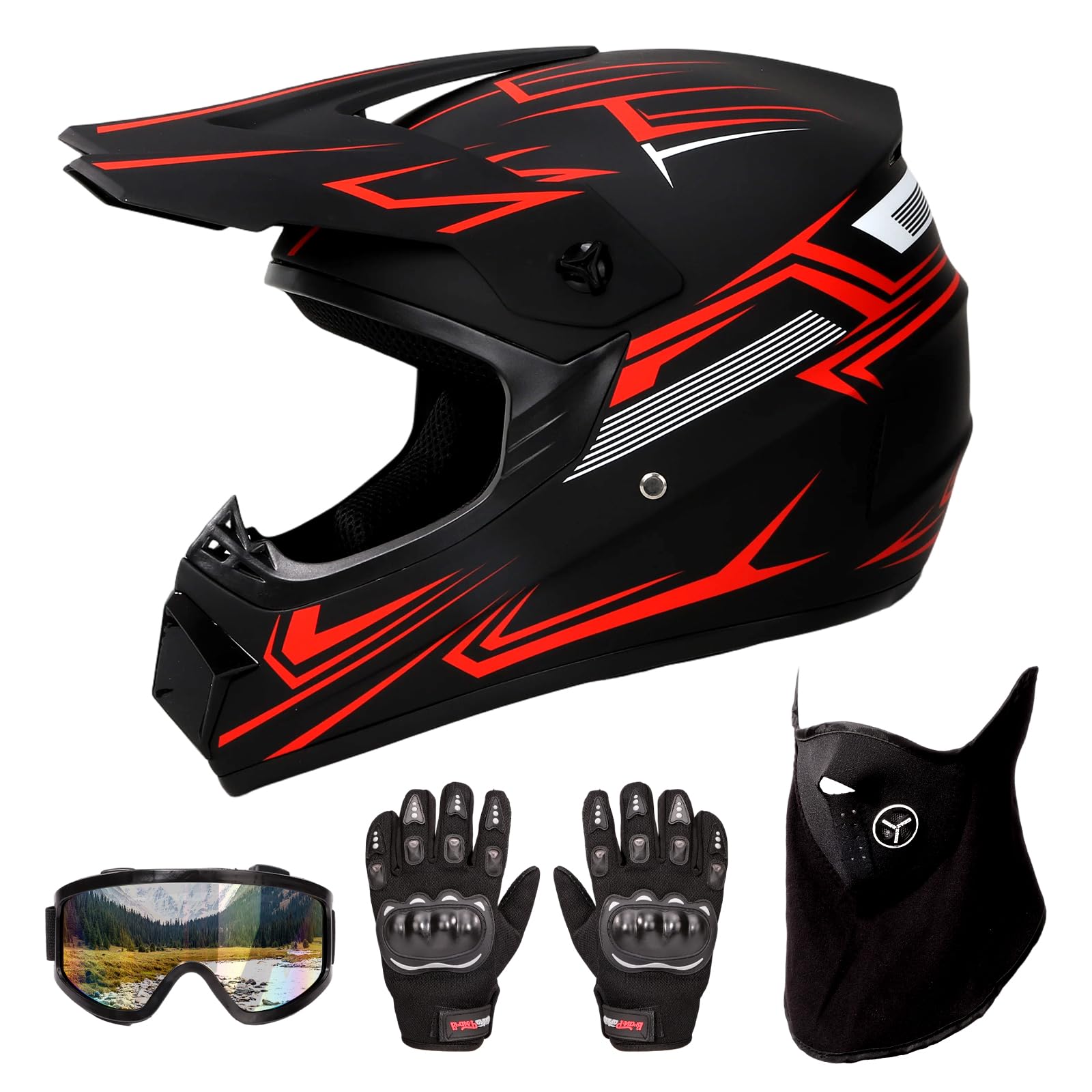 Helmet Helmet |
Bell | Qualifier Full-Face Helmet | A full-face helmet makes sense here because Browns Park can be extremely dusty and windy, especially on fast BLM roads. The Bell Qualifier is a practical choice for riders who want strong coverage and ventilation for long desert miles. | $120-$180 |
| Gloves | Fox Racing | Dirtpaw Gloves | Browns Park riding means constant grip input over washboard, rock, and sand. These gloves offer solid palm durability and knuckle coverage without being too bulky for all-day route riding. | $25-$40 |
| Chest/Upper Body Protection | Alpinestars | Bionic Action V2 Jacket | For canyon routes and rocky side roads, upper-body protection is worth carrying. This jacket-style protector works well for riders who want impact coverage without piecing together separate armor. | $180-$260 |
| Navigation / Terrain-Specific Item | Garmin | Tread Powersport GPS | Browns Park is exactly the kind of place where a dedicated off-road GPS earns its keep. Cell service is limited, intersections can be confusing, and legal route awareness matters on BLM land near refuge and park boundaries. | $500-$700 |
| Recovery / Utility Item | Rhino USA | Recovery Tow Strap | Even if you do not expect mud, this area can surprise riders with clay, washouts, and sand traps. A recovery strap is one of the simplest and smartest tools for self-sufficient group travel in Browns Park. | $30-$45 |
| Comfort / Utility Item | ARB | Portable Air Compressor | Tire pressure can make a major difference on mixed gravel, rock, and sandy two-track. An ARB portable compressor helps riders air down for traction and air back up for long road miles to the trail area. | $300-$380 |
A few extra items are also worth packing even if they are not in the table: extra water, a paper map backup, tire plug kit, basic tool roll, and a compact first-aid kit. Browns Park is not the place to assume someone else will have what you forgot.
Introduction
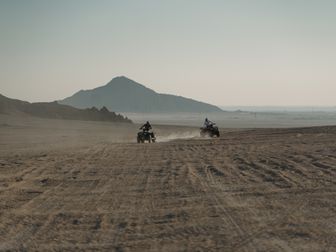
If you're searching for Browns Park ATV trails Colorado, you're looking at one of the most remote and underrated off-road regions in the state. Browns Park sits in far northwestern Colorado near the Utah and Wyoming borders, where broad high-desert valleys, sagebrush flats, canyon rims, and rugged two-track roads create a very different riding experience from Colorado's better-known alpine trail systems. Riders come here for the sense of isolation, wide-open views, historic outlaw-country scenery, and the chance to cover long miles on public land without heavy traffic.
What Browns Park offers is not a tightly signed, resort-style OHV park. Instead, it is a network of BLM roads, primitive routes, and backcountry connectors where route-finding, fuel planning, and self-sufficiency matter. We recommend this area for riders who enjoy exploring rather than simply looping a single designated trailhead system. The payoff is huge: dramatic canyon country, access toward the Gates of Lodore area, long scenic valley stretches, and a true backcountry feel that many Colorado riders never experience. If you want solitude and big-country ATV riding, Browns Park deserves a serious look.
Trail Overview

Browns Park is best understood as a regional riding area rather than one single managed ATV park. Most riding happens on BLM-managed roads and primitive routes in and around Browns Park National Wildlife Refuge, the Irish Canyon area, the road network near Lodore, and connecting county and BLM backroads.
Key stats:
- Total rideable mileage: Roughly 80-150+ miles depending on your route planning and legal road access
- Difficulty range: Green to Black
- Elevation: Approximately 5,300 to 7,200 feet depending on route
- Land manager: Primarily Bureau of Land Management, with nearby refuge and National Park Service boundaries that riders must respect
- Permit requirements: No general trail permit for most BLM roads, but Colorado OHV registration or permit rules may apply depending on machine type and use
- Best season: Late spring through fall, typically May to October
- Nearest town: Maybell is the closest service point on the Colorado side; Vernal, Utah is the larger regional resupply town
Notable riding areas and route names:
- Irish Canyon Road area
- Browns Park Road / County Road 10N corridor
- Lodore Road approaches
- Gates of Lodore access roads
- BLM two-track spurs off the main valley roads
This area is especially popular with riders who want to combine sightseeing and long-distance exploration. It is less about technical single-track and more about desert backcountry travel on legal motorized routes.
Trail Conditions & Terrain
Browns Park terrain is classic remote high desert. Expect a mix of graded gravel roads, hard-packed dirt, sandy washes, loose rock, embedded stone, rutted two-track, and occasional clay sections that become extremely slick after rain. The riding character can change quickly over a single day.
In the broad valley sections, surfaces are often faster and smoother, with long stretches of washboard gravel or hard dirt where dust becomes a major factor in dry weather. These sections can make riders overconfident, but the area has enough hidden hazards to demand attention. Drainage cuts, cattle guards, washouts, and sharp rock can appear with little warning.
As routes climb toward canyon rims or move into side canyons like Irish Canyon, the terrain gets more interesting. Here we see steeper grades, tighter bends, shelf-road style stretches, rock ledges, and loose climbs where traction depends heavily on recent weather. Some connectors are straightforward in dry conditions but become much more difficult when storms move through. Bentonite-like clay and silty mud can pack tires and turn a manageable road into a recovery problem.
Sandy sections are another defining feature. Browns Park does not ride like deep dune country, but many two-tracks and valley-bottom routes have patches of drifted sand, loose shoulders, or wash crossings that can catch heavy ATVs and side-by-sides off guard. Maintaining momentum matters.
Water crossings are usually limited and seasonal rather than constant, but riders may encounter small drainage crossings, puddled low spots, and runoff-cut channels depending on the route and time of year. The bigger challenge here is often not water depth but erosion damage after storms.
Vegetation is mostly sage, desert grass, juniper, and sparse brush, so shade is limited. Exposure is a real trail condition in itself. Summer heat, wind, and dust can wear riders down quickly, and because the area is so open, weather shifts are easy to see but not always easy to outrun.
Navigation is another practical terrain factor. Browns Park includes many intersecting roads, ranch access routes, and public-land spurs. Some roads look equally traveled but may lead to dead ends, private property interfaces, or non-motorized boundaries. Riders should not assume every visible track is legal or suitable.
Difficulty & Who It's For
We rate Browns Park as a mixed-difficulty destination, with the majority of mileage sitting in the Green-to-Blue range and select canyon connectors pushing into Black depending on conditions.
Green: Easy
Who it's for: Beginners with basic machine control, families, casual scenic riders
The easiest riding is on maintained BLM and county roads in the main Browns Park valley. These roads are generally wide enough for easy passing, with moderate grades and limited technical obstacles in dry weather. Green riders still need to be comfortable with dust, washboard, and the remoteness of the area.
Blue: Moderate
Who it's for: Intermediate ATV riders, touring groups, loaded utility ATV riders
Much of Browns Park falls into this category. Blue sections include rougher two-track, loose rock, sand patches, steeper climbs, shallow wash crossings, and more remote spurs where route-finding matters. Riders should be able to handle changing traction and longer distances from help.
Black: Difficult
Who it's for: Experienced riders comfortable with desert terrain and self-recovery
Black-rated segments usually involve eroded climbs, rockier canyon routes, narrow shelf-road stretches, storm damage, and muddy or sandy sections that become significantly harder with weather. In Browns Park, a route may feel Blue in the morning and Black after an afternoon storm.
Double-Black: Very Difficult / Specialized
Who it's for: Highly experienced riders only, and only under the right conditions
There are not many true Double-Black ATV routes in Browns Park in the formal park sense, but isolated backcountry sections can reach that level if they are deeply rutted, washed out, or attempted in wet conditions far from support. We do not recommend treating this area casually just because much of it appears open and rideable.
Permits & Access
Access in Browns Park is straightforward in concept but important to verify before you ride because the region includes a patchwork of BLM land, county roads, private property, wildlife refuge land, and nearby National Park Service-managed areas.
Parking
There is no single central ATV staging lot for all of Browns Park. Riders commonly stage from wide pullouts, primitive parking areas, or legal roadside spots near BLM access roads, depending on the route. The Gates of Lodore / Lodore Road area can serve as a launch point for scenic exploration, while some riders approach from the Irish Canyon side. Always park completely off travel lanes and avoid blocking gates.
Permit costs and reservations
For most BLM roads and open motorized routes, there is typically no separate trail permit fee and no reservation system just to ride through the area. However, if you enter developed recreation sites or campgrounds nearby, site-specific fees may apply.
Colorado OHV sticker requirements
Colorado requires OHV registration for off-highway vehicles operated on public lands and trails where OHV use is allowed. If your ATV or side-by-side is not street licensed but is being used off-highway in Colorado, you generally need a Colorado OHV registration or permit. For out-of-state users, Colorado offers a nonresident OHV permit. Fees change periodically, so we recommend checking the current Colorado Parks and Wildlife OHV registration page before your trip.
Street-legal and county-road considerations
Some Browns Park routes connect via county roads. If your machine is not street legal, you need to be careful about where you ride and how local rules apply. Do not assume all road connectors are open to unlicensed OHVs.
Boundary awareness
This is critical in Browns Park. Some nearby lands are managed for wildlife protection or fall under National Park Service rules. Stay on legal motorized routes, obey posted signs, and do not ride cross-country.
Tips for Riding This System
- Carry more fuel than your map suggests. Distances feel longer in Browns Park, and detours around closures, weather damage, or private-property boundaries can add serious mileage.
- Download offline maps before arrival. Cell coverage is unreliable. We recommend using a dedicated GPS or at minimum a phone app with offline BLM and county-road layers.
- Start early in warm months. Summer heat builds fast in this exposed desert terrain, and afternoon storms can turn clay roads into a mess.
- Watch the weather, not just the forecast. If dark clouds build over the canyons, think ahead. A road that is easy when dry may become slick and deeply rutted after one storm cell.
- Bring more water than you normally carry. Browns Park's dry air and wind can dehydrate riders before they notice it.
- Respect private land and signed closures. The area's open look can be misleading. Not every visible two-track is legal for public motorized use.
- Ride with a recovery mindset. Even on a scenic route, carry a strap, tools, and tire repair supplies. In Browns Park, self-sufficiency is part of the experience.
FAQ
Is Browns Park a designated ATV trail system?
Not in the same way as a managed OHV park. Browns Park is primarily a network of BLM roads, primitive routes, and backcountry connectors spread across a large area.
Do you need a permit to ride Browns Park ATV trails in Colorado?
Usually there is no separate trail-entry permit for BLM routes, but most riders will need a valid Colorado OHV registration or nonresident OHV permit if their machine is not street licensed and they are operating on eligible public routes.
Are Browns Park trails good for beginners?
Some valley roads are beginner-friendly in dry conditions, but the area as a whole is better for riders who are comfortable with remote travel, navigation, and limited services.
Is there fuel or food at the trailhead?
No reliable full-service trailhead hub exists in Browns Park. Riders should plan to be self-sufficient and top off fuel, food, and water before leaving towns like Maybell or Vernal.
Get our best guides in your inbox
Final Thoughts
Browns Park is one of those places that rewards preparation. Riders who come expecting a compact ATV park with signs every mile may find it too remote. Riders who want open country, canyon scenery, and long exploratory miles on BLM land will understand the appeal immediately.
From scenic valley cruising to rougher canyon connectors, Browns Park ATV trails Colorado deliver a distinct kind of off-road experience: less crowded, more self-reliant, and deeply tied to the landscape of northwestern Colorado. At BestATVTrails, we recommend it for riders who value route planning, solitude, and the satisfaction of covering big country under their own preparation.
Top Picks & Comparison
| # | Product | Price | Rating | ||
|---|---|---|---|---|---|
| #1 | |
Motocross Helmet, DOT Approved Dirt Bike Helmet for Off-Road Riding Trail Riding Endurance Racing |
$65.99 | (6) | Check Price on Amazon → |