Hungry Valley SVRA Trail Guide

Alana Azzouz is a Senior Editor at Searchshop Media Network with over a decade of experience in consumer content quality and editorial standards. She has reviewed thousands of product guides, buying articles, and comp…
Why trust us
BestATVTrails trail guides are researched by riders with decades of powersports experience. Our lead researcher spent 30+ years in powersports retail and has ridden trails across a dozen US states. Every gear recommendation is sourced from real product research matched to specific terrain — not paid placements or generic affiliate lists.

Hungry Valley SVRA Trail Guide
Gear for This Trail

Because Hungry Valley combines dust, sun exposure, loose climbs, and long mileage, we recommend gear that improves visibility, upper-body protection, navigation, and hydration rather than mud-focused equipment. Here’s a practical setup for this trail system.
| Gear Type | Brand | Product | Why it suits Hungry Valley SVRA | Approx. Price |
|---|---|---|---|---|
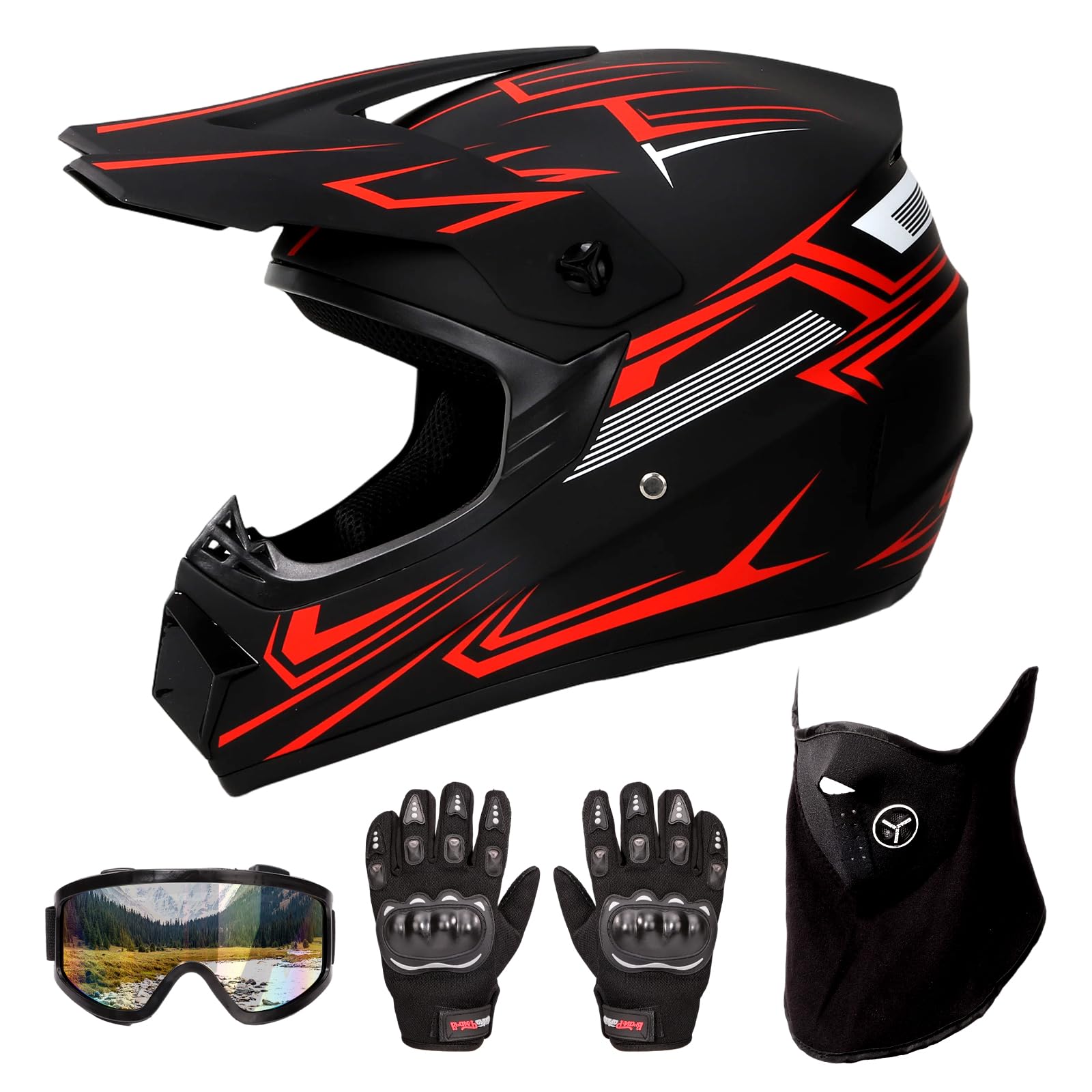 Helmet Helmet |
Bell | Qualifier Full-Face Helmet | A full-face helmet makes sense here because dust is constant on busy days, and the Bell Qualifier is a proven budget-friendly option for riders who want better face protection and airflow than a half helmet. | $120-$170 |
| Protective Gear | Alpinestars | Bionic Action Chest Protector | Hungry Valley’s hill sections, rocky edges, and bar-rattle terrain make chest and back protection worthwhile. This model is lightweight enough for hot-weather riding and adds coverage without feeling overly bulky. | $130-$180 |
| Gloves | Fox Racing | Dirtpaw Gloves | Dry grips, brush contact, and vibration from washboard roads make a durable glove important. Dirtpaw gloves are widely available, affordable, and well matched to dusty trail use. | $25-$35 |
| Terrain-Specific Item | Garmin | Tread Powersport Navigator | With a large trail network, multiple intersections, and changing route plans, a dedicated powersports GPS helps prevent wrong turns and wasted fuel. It’s especially useful when visibility drops in dusty conditions. | $500-$700 |
| Comfort/Utility Item | CamelBak | M.U.L.E. Hydration Pack | High UV and low shade make hydration one of the most important comfort items at Hungry Valley. A quality hydration pack helps us drink consistently without stopping every few minutes. | $100-$140 |
| Recovery/Utility Item | Rhino USA | Tow Strap Recovery Kit | Even though Hungry Valley is usually dry, steep loose climbs and sandy wash sections can leave an ATV stuck or disabled. A compact recovery strap kit is a smart backup for group rides. | $35-$60 |
If your machine has limited underbody protection, we also recommend checking whether a model-specific RICOCHET Off-Road aluminum skid plate is available for your ATV. Hungry Valley’s embedded rocks and erosion cuts can punish stock protection on advanced routes.
Introduction
If you're planning a Hungry Valley SVRA ATV trip, this Southern California riding area deserves a spot near the top of your list. Hungry Valley State Vehicular Recreation Area, near Gorman, is one of the largest and most accessible OHV destinations in the region, with a broad mix of open valleys, rolling hills, sand-and-gravel washes, and steeper mountain routes that keep both new and experienced riders busy. Riders come here for the sheer variety: beginner-friendly staging-area loops, family camping, scenic ridge climbs, and enough marked trail mileage to turn a quick day ride into a full weekend.
We researched Hungry Valley as a trail system that works especially well for ATV riders who want options. You can spend the morning on smoother green routes, build confidence on wider fire-road style connectors, then move into rougher blue and black sections with loose climbs, embedded rock, and more technical line choices. Conditions are usually dry, dusty, and exposed, so preparation matters. With permits required, strong UV exposure, and terrain that can shift from easy to demanding in a few miles, Hungry Valley rewards riders who arrive with a plan.
Trail Overview

Hungry Valley SVRA is a large, signed OHV system in Los Angeles and Ventura county backcountry near Gorman, California, just off Interstate 5. It is one of the easiest major California OHV areas to reach from Los Angeles, Bakersfield, and the Central Valley.
Key stats at a glance:
- Location: Gorman, California
- Nearest town/services: Gorman; additional fuel and supplies along the I-5 corridor
- Total trail mileage: roughly 130+ miles of designated roads and trails within the SVRA, plus multiple use areas and connectors
- Difficulty range: Green to Double-Black
- Elevation: approximately 3,000 to over 6,000 feet, depending on route and ridge sections
- Terrain type: hills, washes, decomposed granite, hardpack, loose rock, dry creek-style drainages, and steep fire-road climbs
- Permit required: yes; day-use/entry fees apply
- OHV registration: California green/red sticker or equivalent out-of-state registration required where applicable
- Best season: fall through spring for cooler temps; summer is rideable but hot, dusty, and high-UV
- Camping: available in designated campgrounds including Aliklik and Los Alamos areas
Popular riding zones and named trail references riders often use when planning include Pronghorn Trail, Gold Hill Road, Maxwell Fire Road, Hungry Valley Road, and routes around Miller Jeep Trail access corridors and the broader ridge network. Exact trail openings can change due to weather, maintenance, or fire conditions, so checking current park status before departure is essential.
Trail Conditions & Terrain
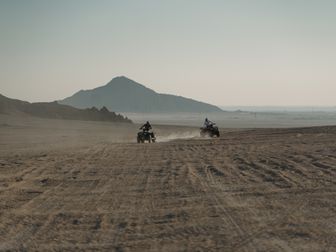
Hungry Valley’s biggest appeal is terrain variety. This is not a single-style ATV destination. In one outing, we can move from broad valley-bottom roads to narrow hillside routes, then into dry washes and steeper, rutted climbs. The dominant surfaces are hardpack dirt, decomposed granite, loose gravel, sandy patches, and embedded rock. In dry weather, which is common, the surface turns powdery and visibility can drop fast when traffic is heavy.
The lower valley sections and many main connectors are generally wider and smoother, making them useful for warm-up laps or less experienced riders. These roads often have shallow washboarding, loose marbles over hardpack, and occasional braking bumps near intersections or hill bases. On weekends, expect dust pockets and chopped-up turns.
As you move toward hill climbs and upper-elevation routes, the system gets more technical. Grades steepen, traction becomes less predictable, and ruts start to matter. Some blue and black sections feature off-camber turns, erosion channels, loose rock shelves, and switchback-style climbs where momentum and line choice become important. Even when a climb looks straightforward from the bottom, the combination of dry soil and embedded rock can make it feel much harder on an ATV.
The wash terrain is another defining feature. Hungry Valley includes broad, dry drainage areas and sandy cuts that can be easy one month and deeply chewed up the next. These sections often hide square-edged holes, exposed stones, and soft pockets that pull at front tires. After storms, runoff can reshape trail edges and deepen ruts. Although this is not known as a major water-crossing system in typical dry-season conditions, rain can create muddy spots, runoff channels, and temporary erosion hazards.
Vegetation is sparse in many areas, which means very little shade. UV exposure is a real factor here, especially in late spring and summer. Wind can pick up on ridge sections, while valley floors trap heat and dust. In summer, surface temperatures climb quickly, and dehydration becomes a bigger risk than many riders expect because the riding pace can feel moderate even while the environment is punishing.
Overall, expect:
- Dry, dusty conditions most of the year
- Loose-over-hard terrain that changes braking distance
- Steep climbs and descents on advanced routes
- Ruts and washouts after storms
- High exposure to sun and wind
- Busy traffic on weekends, especially near staging and easier loops
Difficulty & Who It's For
Hungry Valley is one of the better places in California for mixed-skill groups because the trail system offers a legitimate spread from beginner terrain to advanced hill work.
Green: Beginner
Best for: first-time ATV riders, families, youth riders in appropriate areas, and riders who want low-stress exploration.
Green-level routes are usually wider, less steep, and more predictable. These include many valley connectors, staging-area loops, and easier roads where we can focus on throttle control, braking, body position, and reading trail signs. Dust, washboard, and occasional loose corners still require attention, but the consequence level is lower.
Blue: Intermediate
Best for: riders comfortable with climbing, descending, and riding in loose terrain.
Blue routes at Hungry Valley often introduce steeper grades, rougher surfaces, more frequent ruts, and tighter turns. This is where the area becomes especially fun for recreational ATV riders. We recommend blue trails for riders who already know how to manage traction changes and stand through rough sections.
Black: Advanced
Best for: experienced ATV riders with solid line choice, hill-climb experience, and confidence in loose rock.
Black-rated routes can include sustained steep climbs, sharper drop-ins, off-camber sections, and terrain that punishes poor momentum control. A black trail here may not be extreme by hardcore rock-crawling standards, but in dry and dusty conditions it can become physically demanding and technically serious.
Double-Black: Expert
Best for: expert riders only.
Double-black terrain at Hungry Valley is for riders who actively seek technical challenge and understand the risk of rollovers, failed hill attempts, and trail damage from poor decisions. We recommend avoiding these routes unless everyone in the group has the experience, machine setup, and judgment to handle steep, loose, and highly rutted terrain.
Permits & Access
Hungry Valley SVRA is a managed California State Parks OHV area, so riders should expect formal access rules rather than informal trailhead use.
Parking and staging
The park has multiple staging and camping areas, with Aliklik Campground, Los Alamos Campground, and day-use staging zones among the best-known access points. Parking availability is usually good on normal weekdays, but weekends and holiday periods can fill quickly, especially during cooler months.
Permit costs
Hungry Valley typically charges a day-use vehicle entry fee, commonly around $5 per vehicle, though fees can change. Camping carries separate nightly fees. We recommend checking the official California State Parks Hungry Valley SVRA page before departure for current pricing.
Reservation requirements
For day riding, reservations are generally not required. For camping, reservations may be available or recommended depending on season, campground, and holiday demand. On busy weekends, arriving early is the safer move even if you are not camping.
OHV sticker requirements
ATVs operated in the park generally need valid California OHV registration or a recognized out-of-state equivalent. Riders should verify whether their machine needs a Green Sticker, current registration, or other California-compliant documentation. Spark arrestor and sound compliance requirements may also apply, especially for certain vehicles.
Other access notes
- Follow all posted route designations and closures.
- Stay on open, signed trails and roads.
- Helmets are required for ATV riders.
- Youth riders must follow California OHV age and supervision rules.
- Seasonal closures or restrictions can occur after storms, wildfire concerns, or maintenance activity.
Tips for Riding This System
Start on the valley routes before climbing higher. Hungry Valley can look easy from the staging area, but upper routes get steeper and looser fast. A short warm-up loop helps us gauge traction and machine setup.
Ride early in hot weather. Summer and late-spring afternoons can feel brutal here. Morning riding means cooler temps, less rider fatigue, and often better visibility before the dust gets churned up.
Leave extra following distance. Dust is one of the biggest hazards in this system. On busy weekends, visibility can disappear in seconds behind another group, especially in washes and long climbs.
Carry more water than you think you need. The combination of dry air, altitude changes, and direct sun sneaks up on riders. We recommend a hydration pack plus backup water in the machine or truck.
Watch downhill braking on loose-over-hard surfaces. Many Hungry Valley descents look smooth but have marbly gravel over firm dirt. That surface can lengthen stopping distance and push the front end in corners.
Check your air filter after dusty rides. This is one of those trail systems where fine dust gets everywhere. A clogged filter can noticeably affect performance if you ride here often.
Use a map or GPS even on marked trails. The system has enough intersections and connecting roads that it’s easy to drift away from your intended loop, especially if your group starts chasing hill climbs.
FAQ
Is Hungry Valley SVRA good for beginner ATV riders?
Yes. Hungry Valley is one of the better beginner-friendly OHV systems in Southern California because it has wide, easier green routes near staging areas. New riders still need to respect dust, heat, and trail traffic.
Do you need a permit to ride at Hungry Valley SVRA?
Yes. There is typically a day-use entry fee for vehicles entering the park, and camping fees apply separately. Your ATV also needs proper registration or OHV documentation.
What is the best time of year to ride Hungry Valley?
Fall, winter, and spring are generally best because temperatures are cooler and the ride is more comfortable. Summer is possible, but conditions are hotter, drier, and more punishing under full sun.
Are there technical trails for advanced ATV riders?
Yes. Hungry Valley includes black and double-black style terrain with steep climbs, loose rock, ruts, and more demanding line choice. Advanced riders can find real challenge here, especially after weather changes reshape the trail.
Hungry Valley remains one of the most versatile ATV destinations in California because it blends accessibility with real terrain variety. For riders who want a legal, well-known system with everything from beginner loops to steep hill sections, it delivers. If you prepare for dust, sun, permits, and changing trail conditions, Hungry Valley SVRA can easily become a repeat-trip riding area.
Get our best guides in your inbox
Top Picks & Comparison
| # | Product | Price | Rating | ||
|---|---|---|---|---|---|
| #1 |  |
Peicees 13PCS Motorcycle Set, 5 Dirt Bike Ski Goggles UV Protection Dustproof Windproof Safety Glasses with 8 Skull Face Mask |
$27.99 | (361) | Check Price on Amazon → |
| #2 | |
Motocross Helmet, DOT Approved Dirt Bike Helmet for Off-Road Riding Trail Riding Endurance Racing |
$65.99 | (6) | Check Price on Amazon → |