Ocala National Forest ATV Trail Guide

Salem Hassan founded Travelcamp RV and brings 30+ years of hands-on RV, marine, and powersports retail experience to every review.
Why trust us
BestATVTrails trail guides are researched by riders with decades of powersports experience. Our lead researcher spent 30+ years in powersports retail and has ridden trails across a dozen US states. Every gear recommendation is sourced from real product research matched to specific terrain — not paid placements or generic affiliate lists.

Ocala National Forest ATV Trail Guide
Gear for This Trail

For Ocala, we recommend gear that addresses heat, sand, dust, navigation, and utility. You do not need mountain armor or mud-specific equipment as your first priority here. Instead, focus on breathable protection, eye comfort, and tools that help in a remote sandy forest system.
| Gear Type | Brand | Product | Why It Suits Ocala National Forest ATV Trails | Approx. Price |
|---|---|---|---|---|
| Helmet | Bell | Qualifier Full-Face Helmet | A full-face helmet helps with dust, sand roost, and branch contact on tighter forest sections. The Bell Qualifier is widely available, reasonably priced, and offers good ventilation for Florida heat. | $120-$170 |
| Gloves | Fox Racing | Dirtpaw Gloves | Ocala’s sandy terrain requires steady bar input, and lightweight gloves help reduce fatigue while protecting hands from brush and abrasion. The Dirtpaw line balances grip, airflow, and durability well for warm-weather riding. | $25-$35 |
| Chest/Upper Body Protection | Alpinestars | Bionic Action Chest Protector | Even though Ocala is not a rock-heavy trail system, whoops and sudden front-end washouts in sand can cause low-speed spills. This protector adds chest, shoulder, and back coverage without feeling overly bulky in humid conditions. | $130-$180 |
| Terrain-Specific Navigation Item | Garmin | Tread Powersport Navigator | The Ocala OHV system has a large designated network, and staying on legal routes matters. A dedicated powersports GPS is especially useful in a sandy forest where intersections can blur together and cell service may be inconsistent. | $500-$700 |
| Recovery/Utility Item | Rhino USA | Recovery Tow Strap | Sand gets machines stuck, especially if riders stop in deep sections or drift off the packed line. A compact recovery strap is one of the most practical trail items to carry in Ocala, particularly for group rides. | $30-$45 |
| Comfort/Utility Item | CamelBak | M.U.L.E. Hydration Pack | Heat and humidity are major factors here year-round. A hydration pack is not optional on longer Ocala rides in our view, and the M.U.L.E. gives enough water and storage for tools, snacks, and trail essentials. | $100-$140 |
If your ATV allows easy accessory mounting, we also recommend considering a small front or rear storage bag for extra water, a compact tire repair kit, sunscreen, and a cooling towel.
Introduction
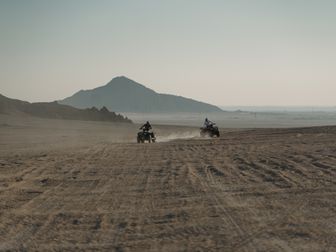
Ocala National Forest ATV trails are among the best-known off-road riding options in Florida, especially for riders who want long mileage, sugar-sand terrain, and a true backcountry feel without steep mountain climbs. Set in the heart of central Florida, the system runs through classic scrub habitat, longleaf pine stands, and flatwoods that feel very different from rocky western trail networks or muddy Appalachian routes. Riders come here for fast-flowing sandy sections, a large designated OHV area, and the chance to spend a full day exploring without needing extreme technical skills.
What makes Ocala stand out is the variety within its relatively flat landscape. We researched trail conditions, permit rules, and current access details to build this guide for riders planning a trip to the forest’s OHV system, including the Delancy Loops and surrounding designated routes. While the terrain is not mountainous, it can still be demanding because deep sand, heat, humidity, and whoops can wear riders out quickly. For ATV riders who enjoy momentum-based riding and wide-open Florida forest scenery, Ocala remains one of the state’s signature destinations.
Trail Overview

Ocala National Forest has one of Florida’s largest designated OHV systems, centered around the Ocala North OHV Trail System near the Lake Delancy area. The most commonly referenced riding network includes the Delancy West, Delancy East, and Pipeline trail segments, with connected designated routes adding up to roughly 200 miles of OHV trail in the broader system.
Key stats at a glance:
- Total trail miles: About 200 miles in the designated OHV trail system
- Difficulty range: Green to Black, depending on sand depth, whoops, and rider experience
- Elevation: Minimal; generally flat Florida terrain with only slight rolling changes
- Permit required: Yes, OHV trail permit required for designated trails
- OHV vehicle requirements: Vehicle must meet Forest Service OHV requirements; spark arrestor and sound compliance may apply
- Best season: Late fall through early spring for cooler temperatures and lower humidity
- Nearest town: Fort McCoy is the most practical reference town for the northern trail system; Ocala is the larger city most riders use for supplies and lodging
- Main staging area: Buttgenbach Mine Campground/Trailhead is the primary access point for the Ocala North OHV system
The trail system is managed by the U.S. Forest Service and is limited to designated OHV routes only. Riders should always check current closures, seasonal updates, and permit details before traveling, since weather and maintenance conditions can affect access.
Trail Conditions & Terrain
Ocala is all about sand. If we had to summarize the ride character in one phrase, it would be: flat, fast, and deceptively tiring sugar sand. This is not a rocky crawling destination, and it is not a mountain trail system with ledges or major elevation changes. Instead, the challenge comes from maintaining control and momentum through loose surfaces that can range from packed and easy to deep and front-end-wandering in a matter of yards.
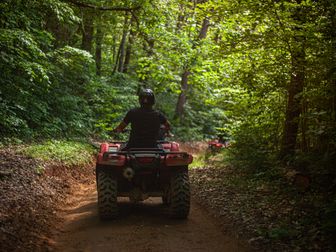
The forest sits in a landscape of Florida scrub, palmetto, oak, and longleaf pine, so the riding environment feels open in places and tunnel-like in others. Many sections are wide enough to keep a comfortable pace, but visibility can still be limited by vegetation, trail curves, and dust during dry periods.
What the trail surface feels like
Most of the designated routes are composed of:
- Deep sugar sand
- Packed sandy two-track
- Whooped-out stretches from repeated traffic
- Occasional hard-packed connectors
- Loose corners that reward smooth throttle control
On a 4x4 ATV, the sand is manageable for most riders with decent technique, but 2WD machines can feel more demanding in the deeper sections. Sand ruts can develop, especially after busy weekends, and riders who are not used to Florida terrain often underestimate how much energy it takes to steer through repeated soft patches.
Obstacles and technical features
You will not find many classic hard-enduro style obstacles here. Instead, the main trail challenges include:
- Deep sand pockets that can swallow speed quickly
- Whoops that build up in high-traffic sections
- Hidden roots or small stumps near trail edges
- Standing water or puddled areas after heavy rain
- Tight brush corridors in some segments
- Dust in dry weather and reduced visibility behind other riders
Creek crossings are not a defining feature of this system. Water is more likely to appear as seasonal puddles, low wet spots, or rain-fed depressions rather than true stream crossings. Because the terrain is flat, drainage can be inconsistent. After storms, sections may hold water longer than riders expect, even though the overall trail profile remains level.
Weather and climate impact
Ocala’s climate matters almost as much as the trail itself. It is hot and humid for much of the year, with summer bringing intense heat, thunderstorms, and buggy conditions. In cooler months, the riding is far more comfortable, though mornings can still start damp and trails can remain soft.
Rain changes the sand character. A little moisture can improve traction and reduce dust. Too much rain can create a mix of soft churned-up sections and water-filled holes. On dry weekends, dust can become one of the biggest practical hazards, especially on straighter, faster segments.
Difficulty & Who It's For
Ocala is often described as beginner-friendly because there are no major climbs, rock gardens, or ledges. That is only partly true. The flat terrain lowers the technical ceiling, but deep sand can dramatically raise the fatigue level, especially for newer riders.
Here is how we would rate the system using the Green/Blue/Black/Double-Black scale.
Green: Easy
Best for: Newer ATV riders with basic throttle and steering control, families, and riders on stable 4x4 machines.
The easier portions of the system include wider, flatter, more consistently packed trails where the sand is shallow and sightlines are decent. Riders who stay conservative with speed and avoid peak-traffic weekends can have a manageable first experience here.
Blue: Moderate
Best for: Most recreational ATV riders.
This is where much of Ocala lives. Blue-rated sections include deeper sand, repeated whoops, and corners that require momentum and body positioning. Riders need to stay loose on the bars, look ahead, and avoid chopping the throttle in soft sections.
Black: Difficult
Best for: Experienced riders comfortable in prolonged sugar sand.
Black-level difficulty in Ocala usually comes from trail condition rather than terrain shape. A heavily churned-up route with deep whoops, ruts, and powdery sand can become physically demanding fast. Less experienced riders may find themselves fighting the machine and tiring early.
Double-Black: Not typical here
Ocala generally does not ride like a true double-black destination. There are no major cliffs, severe rock obstacles, or extreme hill climbs. However, under very hot conditions or on badly whooped-out, deeply rutted sand, some riders may feel certain stretches are subjectively extreme for their skill level.
Our overall rating
For the average ATV rider, we would call Ocala Blue overall, with some Green access and Black-feeling sections depending on recent traffic, weather, and how comfortable you are in sand.
Permits & Access
The main riding area for this system is the Ocala North OHV Trail System, typically accessed from Buttgenbach Mine Campground and Trailhead. This is the key staging point most ATV riders use when entering the Delancy area trail network.
Permit requirements
To ride the designated OHV trails, you need an Ocala National Forest OHV trail permit. The Forest Service has historically offered:
- Three-day permits
- Annual permits
Pricing can change, but riders should expect permit costs in the general range of about:
- 3-day pass: around $15
- Annual pass: around $75
Because fees and systems can be updated, we recommend confirming current rates directly through the U.S. Forest Service / Recreation.gov process before your trip.
Reservations and pass purchase
For current access, permits are commonly handled through Recreation.gov or the Forest Service’s linked reservation platform. If you plan to camp at Buttgenbach Mine Campground, reservations may also be required or strongly recommended during busy periods.
Parking and staging
Buttgenbach Mine Campground/Trailhead offers the main parking and staging setup for trailers and tow rigs. Riders should arrive early on weekends and holidays, since Florida OHV systems can get crowded when weather is mild.
OHV sticker and vehicle requirements
Florida does not use one universal statewide trail sticker for all federal OHV riding in the same way some western states do, but your machine still needs to comply with Forest Service OHV rules. That generally means:
- Riding only a qualifying ATV or OHV on designated routes
- Having a USDA Forest Service-approved spark arrestor if required for your machine type
- Meeting sound limits and general equipment standards
- Following all posted width, route, and vehicle-class restrictions
Because rules can vary by vehicle type, we recommend checking the Ocala National Forest OHV page before arrival if you ride a youth ATV, side-by-side, or modified machine.
Tips for Riding This System
- Air down only if your setup and wheel design support it safely. Slightly lower tire pressure can help in sugar sand, but do not guess. Follow your tire and wheel limits, and bring a way to air back up.
- Carry more water than you think you need. Ocala’s flat terrain tricks riders into underestimating effort. Sand riding is physical, and Florida humidity adds up fast.
- Keep momentum in deep sections. Stopping in loose sand often creates more work than riding through it. Smooth throttle beats aggressive spinning.
- Ride early in warm months. Morning starts are much more comfortable, and you will usually avoid the worst afternoon heat and thunderstorm pattern.
- Expect dust on dry weekends. Increase following distance, especially on faster connectors and in pine sections where visibility can drop quickly behind another group.
- Use navigation and stay on designated trails. Ocala is a managed OHV system, and legal route compliance matters. Do not assume every visible path is open to motorized use.
- Check weather the day before and the morning of your ride. A small amount of rain can improve conditions, but a stormy forecast can mean standing water, lightning risk, and a less enjoyable day overall.
FAQ
1. How many miles of ATV trails are in Ocala National Forest?
The designated OHV system in Ocala is commonly cited at about 200 miles of trails and routes, centered around the Ocala North OHV area and Delancy trail network.
2. Do I need a permit to ride Ocala National Forest ATV trails?
Yes. Riders need an OHV trail permit for the designated trail system. Three-day and annual permits are typically available through the Forest Service reservation system or Recreation.gov.
3. Is Ocala National Forest good for beginners?
Yes, with a caution. The terrain is flat and lacks major rock obstacles, but deep sand can be difficult for true beginners. New riders on stable 4x4 ATVs usually do best starting on less crowded days and easier, more packed sections.
4. What is the best time of year to ride Ocala?
The best season is generally late fall through early spring. Temperatures are more comfortable, humidity is lower, and the ride is usually more enjoyable than in peak summer heat.
Get our best guides in your inbox
Final Thoughts
Ocala National Forest offers a very Florida-specific riding experience: long designated trail mileage, scrub-and-pine scenery, and sandy terrain that rewards rhythm more than brute force. It is not a destination for big elevation or technical rock features, but it remains one of the state’s top ATV systems because it gives riders room to explore, camp, and spend a full day in a true forest setting.
For riders planning a trip, the biggest keys are simple: get your permit in advance, prepare for sand, bring serious hydration, and use navigation so you stay on the legal OHV network. If that style of riding sounds appealing, Ocala National Forest deserves a spot high on your Florida trail list.
BestATVTrails researches ATV trail systems, access rules, and gear options to help riders plan better off-road trips. Always verify current Forest Service regulations and local conditions before you ride.
Top Picks & Comparison
| # | Product | Price | Rating | ||
|---|---|---|---|---|---|
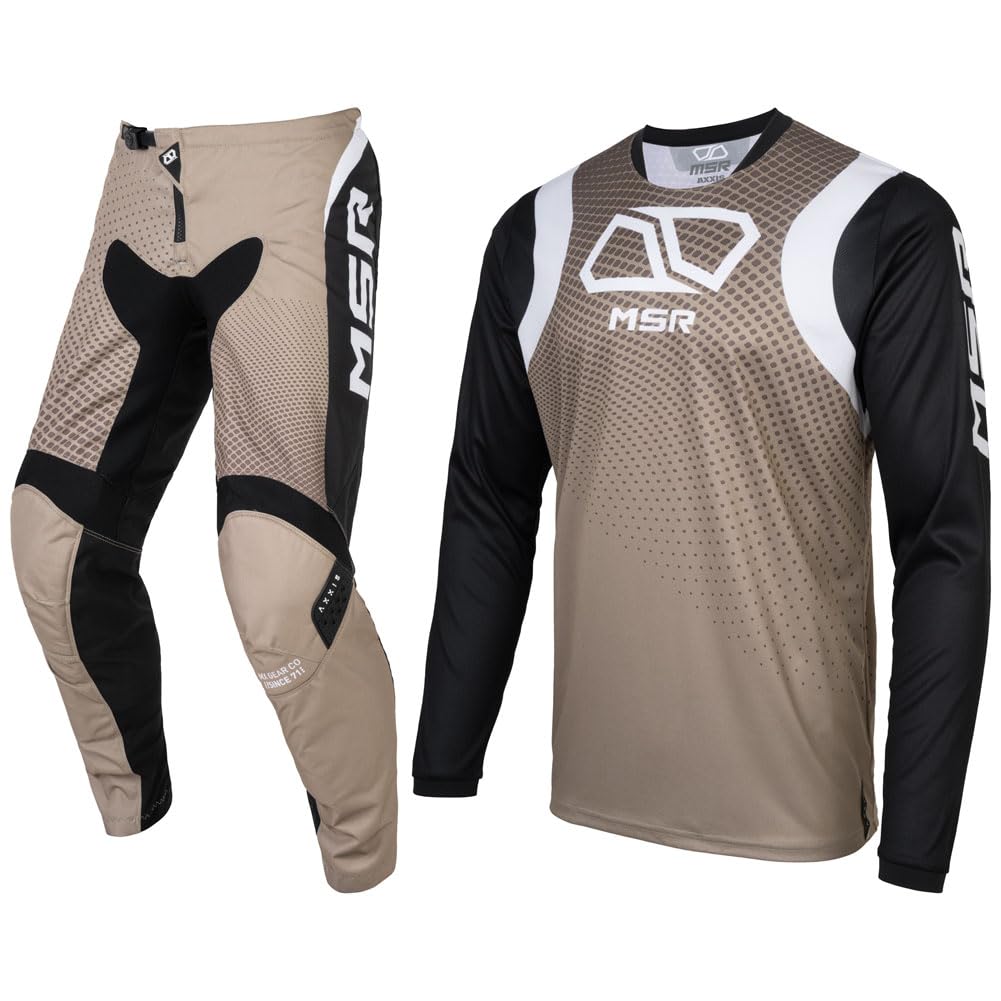
| #1 | |
MSR Axxis Proto Dirt Bike, Motocross Jersey and Pant Combo |
$94.98 | (17) | Check Price on Amazon → |
| #2 |  |
Peicees 13PCS Motorcycle Set, 5 Dirt Bike Ski Goggles UV Protection Dustproof Windproof Safety Glasses with 8 Skull Face Mask |
$27.99 | (361) | Check Price on Amazon → |