Sedona ATV Trail Guide: Red Rock Riding and What to Bring

Ellen Kietzmann brings more than 25 years of senior leadership in the RV and outdoor recreation industry. She spent 22 years at Blue Ox — rising from Vice President of Sales & HR to President — where she grew the deal…
Why trust us
BestATVTrails trail guides are researched by riders with decades of powersports experience. Our lead researcher spent 30+ years in powersports retail and has ridden trails across a dozen US states. Every gear recommendation is sourced from real product research matched to specific terrain — not paid placements or generic affiliate lists.

Sedona ATV Trail Guide: Red Rock Riding and What to Bring
Gear for This Trail

Sedona’s rocky, high-exposure terrain rewards protection, navigation, and machine-preserving equipment. We recommend focusing on impact protection, dust management, and utility items that help when a route gets rougher than expected.
| Gear Type | Brand | Product | Why It Suits Sedona ATV Trails | Approx. Price |
|---|---|---|---|---|
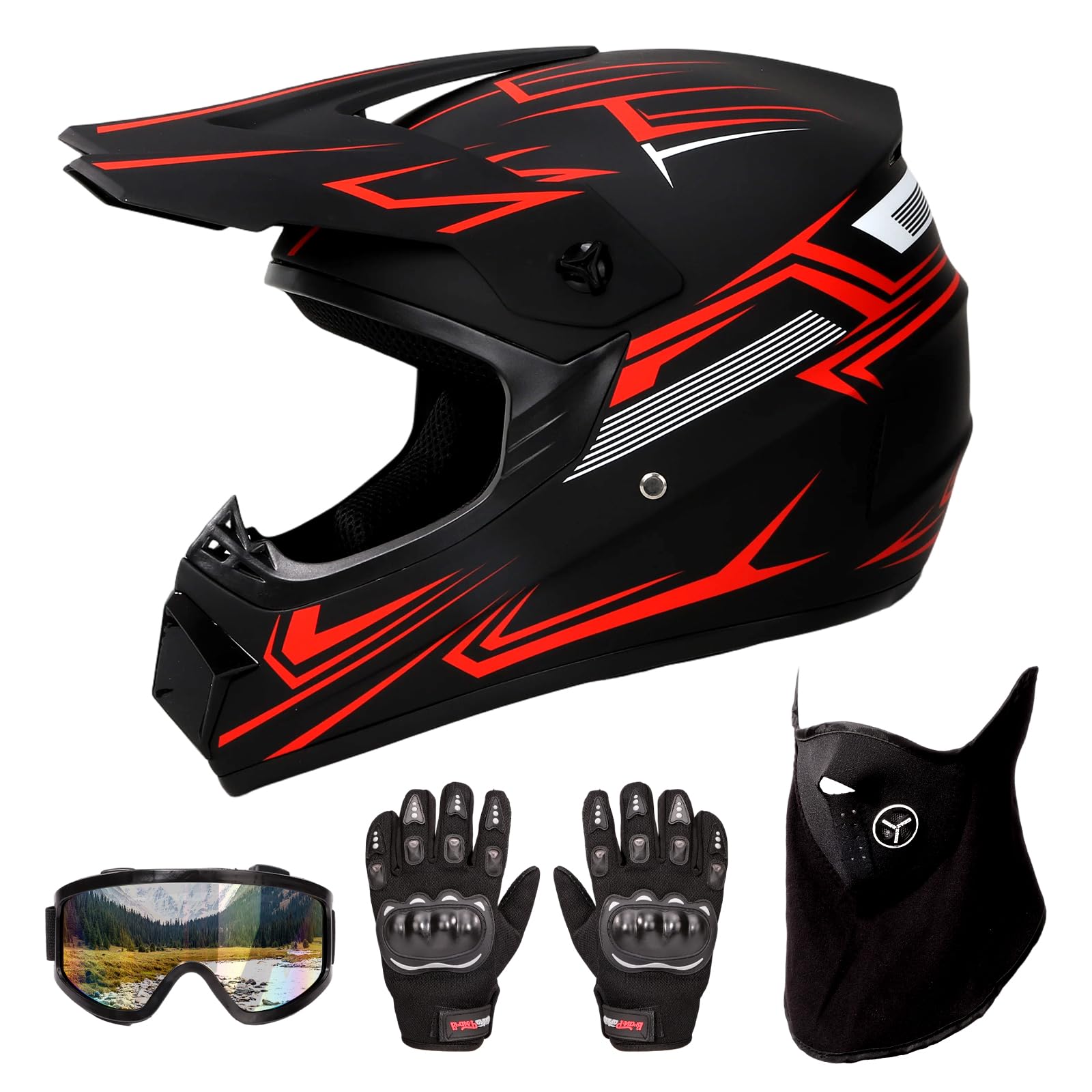 Helmet Helmet |
Bell | Qualifier DLX MIPS Helmet | Sedona’s rocky ledges and shared-use roads make a full-face helmet a smart choice. This model adds MIPS impact protection, strong ventilation for warm Arizona rides, and a face shield that helps with dust and wind on faster forest-road sections. | $230-$300 |
| Protective Gear | Alpinestars | Bionic Action V2 Jacket | For technical red rock riding, upper-body protection matters. This jacket-style protector adds chest, back, shoulder, and elbow coverage while staying lighter than a full hard-shell setup, which helps on physically demanding climbs and rocky descents. | $180-$240 |
| Gloves | Fox Racing | Dirtpaw Gloves | Sedona riding is hard on hands because of repeated impacts and vibration over ledges and washboard. These gloves offer padded protection, durable palms, and enough dexterity for braking and throttle control in technical sections. | $25-$40 |
| Terrain-Specific Item | Garmin | Tread Powersport GPS | Sedona has a patchwork of legal and non-motorized routes, so navigation is critical. The Tread is built for powersports use, helps riders stay on designated routes, and is especially useful where forest roads branch repeatedly outside town. | $500-$700 |
| Terrain-Specific Item | Rhino USA | Recovery Tow Strap (3” x 20’) | While Sedona is not known for deep mud, rocky climbs and ledges can still leave a machine hung up or disabled. A quality recovery strap is one of the most practical tools for group rides in remote forest-road terrain. | $35-$50 |
| Comfort / Utility | CamelBak | M.U.L.E. Hydration Pack | Sedona’s elevation, sun exposure, and technical pace can wear riders down fast. A hydration pack keeps water accessible without stopping, and the extra storage is useful for snacks, tools, and a first-aid kit. | $100-$140 |
If your ATV does not already have solid underbody protection, we strongly recommend adding a model-specific skid plate package before tackling rougher Sedona routes. Sharp rock shelves can punish stock protection quickly.
Introduction
Sedona ATV trails are famous for a reason: few places combine red rock scenery, technical ledges, and high-desert exposure the way this area does. Riders come here for the views, but they stay focused because Sedona’s trail systems can be physically demanding, rocky, and surprisingly technical even on routes that look moderate on paper. Between jeep roads, forest routes, and OHV-accessible connectors around the Coconino National Forest, the riding here rewards line choice, throttle control, and a machine set up for sharp rock and uneven terrain.
We researched Sedona as a destination for riders who want more than a casual scenic cruise. The area offers everything from easier dirt roads near town to advanced routes with rock steps, off-camber sections, washouts, and loose climbs that can wear out both rider and machine. Popular riding zones include Broken Arrow-adjacent legal motor routes, Schnebly Hill Road, and the broader forest road network outside the busiest visitor corridors. For technical riders, Sedona stands out as one of Arizona’s most memorable ATV destinations because every mile feels scenic, exposed, and engaging.
Trail Overview

Sedona is better described as a network of OHV-accessible roads and trails than one single trail. Most ATV riders base their day around legal routes in and around Coconino National Forest, with access commonly coming from forest roads and designated motorized routes near Sedona and Oak Creek Canyon.
Key stats at a glance:
- Total rideable mileage: Roughly 100+ miles of connected forest roads and OHV-suitable routes in the greater Sedona area, depending on seasonal closures and route linking
- Difficulty range: Green to Double-Black, though much of what attracts experienced riders falls in the Blue to Black range
- Elevation: Approximately 4,300 to 6,500 feet depending on route, with notable climbing on roads like Schnebly Hill
- Permit requirements: Arizona OHV Decal for qualifying vehicles plus street registration if your route includes roads open to highway traffic; Red Rock Pass may apply for certain parking/use areas, but not all trailheads
- Best season: Spring and fall for ideal temperatures; winter can be excellent on dry days; summer is rideable but hot and exposed
- Nearest town: Sedona, Arizona
For route planning, many riders focus on areas such as:
- Schnebly Hill Road
- Outlaw Trail / Greasy Spoon area connections where motorized access is legal
- Forest Road 525 system west of Sedona
- Backcountry roads toward Cottonwood and Verde Valley connectors
Because Sedona has a mix of tourist traffic, protected areas, and motorized restrictions, it is important to confirm current legal access through the Coconino National Forest Motor Vehicle Use Map (MVUM) before riding.
Trail Conditions & Terrain
Sedona’s terrain is defined by rock. Not mud, not deep sand, not fast-flowing forest loam. This is red rock country, and that means traction can alternate between excellent and sketchy within the same climb. Much of the riding surface is a combination of embedded rock, sandstone shelves, loose rock fragments, hardpack dirt, and eroded jeep-road base. On routes like Schnebly Hill Road, riders should expect prolonged stretches of jagged rock, stair-step ledges, exposed edges, and braking bumps that can punish suspension.
The biggest challenge for many ATV riders is not any single obstacle but the constant technical rhythm. Sedona often forces repeated transitions: loose climb into rock shelf, shelf into rut, rut into off-camber descent, then back onto washboard hardpack. There are sections where a short-wheelbase ATV can pick through cleanly, but larger side-by-sides and inexperienced riders may struggle with line choice and body positioning.
Common trail features include:
- Rock ledges and step-ups that require slow-speed throttle control
- Loose baby-head rocks that deflect tires and increase fatigue
- Steep grades on mountain roads and ridge approaches
- Ruts and erosion channels after monsoon season
- Shelf-road exposure in places where attention matters
- Dry creek beds and shallow drainage crossings rather than frequent deep water crossings
- Dust in dry months and slick rock when recent rain hits polished surfaces
Sedona’s high-desert climate also changes how the terrain rides. In summer, the ground is usually dry and visibility can be reduced by dust from other users. During monsoon season, a route that looked manageable in the morning can develop washouts or slick patches by afternoon. In winter, shaded sections at higher elevation can hold ice, snow, or frozen runoff, especially on routes that climb out of town.
Another factor is traffic. Some routes are shared with jeeps, tour vehicles, hikers, mountain bikers, and sightseers. That means blind corners, stop-and-go pacing, and less room to carry momentum over obstacles. Sedona is scenic, but it is not a place where we recommend assuming an open line around every bend.
Difficulty & Who It's For
Sedona has enough variety for many rider levels, but its reputation comes from terrain that trends more technical than casual. Here is how we would rate the area using the Green/Blue/Black/Double-Black scale.
Green: Easy
Who it suits: Beginners with basic machine control, families on wider forest roads, and riders looking for scenic cruising.
Some graded forest roads and smoother connectors west of Sedona and farther from the most technical red rock routes fit here. These rides still require attention for washboard, loose stone, and mixed traffic, but they are manageable for newer riders in dry conditions.
Blue: Moderate
Who it suits: Intermediate riders comfortable with uneven surfaces, mild ledges, and rocky climbs.
A large portion of Sedona’s popular ATV riding falls into this category. Expect repeated rock sections, erosion ruts, and moderate grades. Riders should know how to shift body weight, pick a line, and manage momentum without spinning tires on rock.
Black: Difficult
Who it suits: Experienced ATV riders with good technical control and a machine set up for rock protection.
This is where Sedona earns its reputation. Schnebly Hill-type terrain, rough jeep roads, and routes with sustained ledges, off-camber shelves, and sharp embedded rock belong here. These trails are physically demanding, especially over a full day. We recommend Black routes for riders who already have experience in rocky Arizona terrain.
Double-Black: Extreme / Expert Segments
Who it suits: Highly skilled technical riders only.
Sedona does not have endless extreme ATV singletrack, but certain legal motorized segments, obstacle lines, or storm-damaged conditions can effectively ride at a Double-Black level. Large ledges, severe erosion, and exposure can push a route beyond casual recreation. These sections are best treated conservatively, and turning around is often the smart call.
Permits & Access
Sedona access can be confusing because the area blends national forest roads, city tourism infrastructure, trailhead parking rules, and Arizona OHV law.
OHV sticker requirements
In Arizona, qualifying off-highway vehicles generally need an Arizona OHV Decal in addition to registration. If your ATV or UTV is operated on roads where street-legal use is required, it may also need to meet Arizona street-legal requirements and carry proper registration and equipment. Riders coming from out of state should verify reciprocity and current Arizona rules before arrival.
Permit costs
- Arizona OHV Decal: Typically around $25 annually, but riders should confirm current pricing through the Arizona Game and Fish Department / MVD system
- Red Rock Pass: Often required for parking at certain developed recreation and trailhead sites in the Sedona area; day-use pricing is commonly around $5 per day, with weekly and annual options available
Reservation requirements
Most motorized access points do not require reservations for ordinary day riding, but parking fills fast during peak tourist seasons, especially in spring and fall. If you are using a highly visited trailhead or developed lot, arrive early.
Parking and staging
Common staging is usually found on forest roads west of Sedona, at legal pullouts, or at designated access points outside the most crowded central red rock attractions. We recommend avoiding informal parking unless signs clearly allow it. Sedona enforces access rules closely, and illegal parking can lead to fines or towing.
Important access note
Not every famous Sedona route is open to every type of motorized vehicle. Some iconic red rock trails are jeep tour routes, street-legal routes, or non-motorized only in certain sections. Always verify the Coconino National Forest MVUM, local closures, and any city or county restrictions before unloading.
Tips for Riding This System
- Download the MVUM and offline maps before you arrive. Cell service can be unreliable once you move away from town, and Sedona has enough route restrictions that guessing is a bad strategy.
- Air down carefully for rock traction, but do not go too low. Sedona’s sharp edges can punish tires. We recommend balancing traction and sidewall protection rather than chasing the softest possible setup.
- Start early to beat heat, traffic, and parking issues. Morning rides are cooler, less crowded, and generally more enjoyable on technical terrain.
- Carry more water than you think you need. High-desert sun and constant body movement over ledges can drain energy fast, even when temperatures seem mild.
- Ride conservatively after rain. Slick rock can become unexpectedly slippery, and monsoon runoff can deepen ruts or undercut trail edges.
- Watch for mixed users on blind corners. Jeeps, tour vehicles, hikers, and mountain bikers can appear suddenly, especially on scenic routes with heavy visitation.
- Protect your machine underneath. Sedona is one of those places where skid plates, good tires, and basic recovery gear are not luxuries; they are part of responsible prep.
FAQ
Are Sedona ATV trails good for beginners?
Some forest roads near Sedona are beginner-friendly, but many of the area’s most popular and scenic motorized routes are rocky and technical. We recommend true beginners stick to easier graded roads and avoid ledgy red rock routes until they build experience.
Do we need an Arizona OHV decal to ride in Sedona?
In most cases, yes for qualifying OHVs. You may also need street-legal registration if your route uses roads open to highway traffic. Check current Arizona requirements before your trip.
What is the best trail for scenic ATV riding in Sedona?
Schnebly Hill Road is one of the best-known scenic routes, offering major red rock views and a memorable climb, but it is also rocky and rough. Riders looking for easier scenery may prefer broader forest road networks west of town.
When is the best time to ride Sedona?
Spring and fall are the top seasons because temperatures are more comfortable and conditions are usually favorable. Summer can be very hot and crowded, while winter may bring snow or ice to higher routes.
Sedona is one of Arizona’s standout riding destinations because it combines world-class scenery with terrain that keeps skilled ATV riders engaged mile after mile. If you arrive prepared for rock, exposure, and route-planning details, the reward is a ride that feels distinctly different from desert sand washes or pine-forest cruising elsewhere in the state. For riders building a trip around technical views and red rock character, Sedona belongs high on the list.
Get our best guides in your inbox
Top Picks & Comparison
| # | Product | Price | Rating | ||
|---|---|---|---|---|---|
| #1 | |
Motocross Helmet, DOT Approved Dirt Bike Helmet for Off-Road Riding Trail Riding Endurance Racing |
$65.99 | (6) | Check Price on Amazon → |