Silverton ATV Trail Guide: High Country Riding

Salem Hassan founded Travelcamp RV and brings 30+ years of hands-on RV, marine, and powersports retail experience to every review.
Why trust us
BestATVTrails trail guides are researched by riders with decades of powersports experience. Our lead researcher spent 30+ years in powersports retail and has ridden trails across a dozen US states. Every gear recommendation is sourced from real product research matched to specific terrain — not paid placements or generic affiliate lists.

Silverton ATV Trail Guide: High Country Riding
Gear for This Trail

Because Silverton combines cold air, sharp rock, altitude, and long backcountry miles, we recommend gear that emphasizes protection, navigation, and weather readiness rather than casual trail comfort alone.
| Gear Type | Brand | Product | Why It Suits Silverton | Approx. Price |
|---|---|---|---|---|
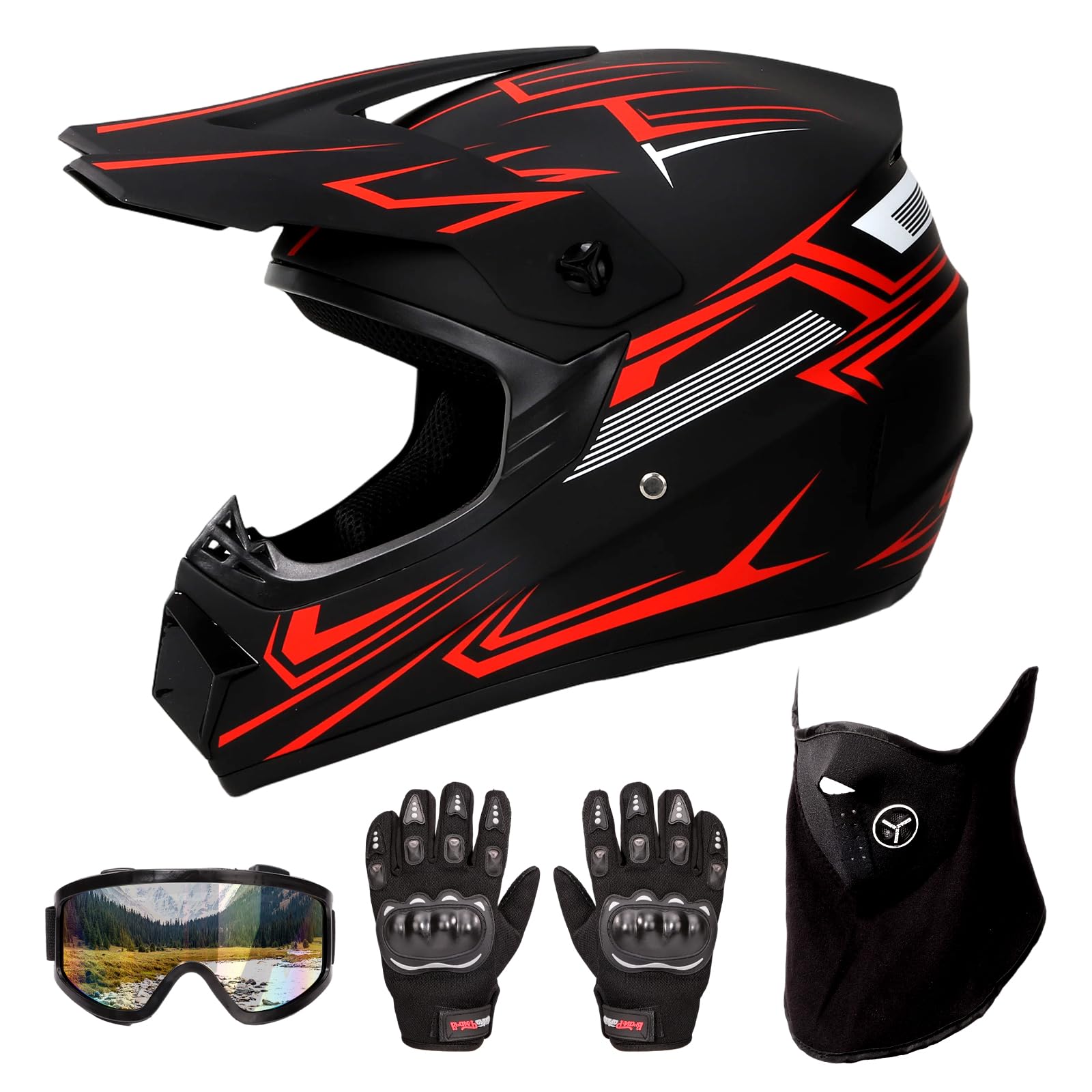 Helmet Helmet |
Bell | Qualifier Full-Face Helmet | A full-face helmet makes sense on Silverton’s rocky shelf roads and cold, windy passes. The face coverage also helps with dust, hail, and temperature swings at elevation. | $120-$170 |
| Protective Gear | Alpinestars | Bionic Action Chest Protector | On technical rocky climbs and uneven descents, upper-body protection is worth having. This model adds chest and back coverage without feeling overly bulky for long alpine days. | $130-$180 |
| Gloves | Fox Racing | Dirtpaw Gloves | Silverton’s cold mornings, abrasive rock, and frequent steering input call for durable gloves with decent grip and knuckle protection. These are a practical trail choice at a reasonable cost. | $25-$40 |
| Terrain-Specific Item | Garmin | Tread Powersport Off-Road Navigator | A dedicated off-road GPS is extremely useful in the Silverton network, where riders link multiple passes, mining roads, and junctions above treeline. It helps with route tracking when weather or fatigue sets in. | $500-$700 |
| Terrain-Specific Item | Rhino USA | Recovery Tow Strap | Even though many Silverton routes are road-based, loose rock, mud, and altitude-related machine issues can leave riders stuck in awkward places. A quality tow strap is a simple must-pack item. | $30-$45 |
| Comfort/Utility Item | Kemimoto | UTV Windshield (model-specific options) | For side-by-side riders, a windshield adds major comfort in Silverton’s cold air, dust, and sudden weather. It is one of the most noticeable upgrades for long high-country days. | $140-$260 |
If your machine allows it, we also strongly recommend sturdy skid protection and a tire setup in excellent condition. Sharp embedded rock is common here, and underbody contact is more likely than on smoother forest routes.
Introduction
Silverton Colorado ATV trails are some of the most scenic and demanding public routes in the Rockies. Riders come here for the rare combination of legal motorized access, huge mountain views, old mining history, and linked high-country passes that climb well above 12,000 feet. Around Silverton, an ATV ride is not just a loop through the woods. It is a true alpine day with shelf roads, loose rock, sudden weather changes, and long views into the San Juan Mountains.
We researched the Silverton trail network because it stands out as one of the best destinations in the state for experienced ATV and side-by-side riders who want real mountain terrain. Popular routes connect old mining districts, ghost-town remnants, and iconic passes like Cinnamon Pass, California Pass, Corkscrew Pass, Engineer Pass, and Stony Pass. The scenery is world-class, but the riding is serious too. Thin air affects both riders and machines, traction changes quickly with rain and snowmelt, and the season is short. For riders who want a memorable high-country trip rather than a casual lowland trail ride, Silverton delivers one of Colorado’s signature off-road experiences.
Trail Overview

Silverton is not a single closed trail park. It is a broad network of county roads, historic mining roads, and connected OHV routes in the San Juan Mountains.
Key stats at a glance:
- Trail system: Alpine road and OHV network around Silverton, Ouray, and Lake City
- Approximate rideable mileage: 200+ miles of connected legal routes in the broader area, depending on how you link passes and spurs
- Difficulty range: Green to Double-Black, with most famous pass routes landing in Blue to Black territory depending on weather and rider skill
- Elevation: Roughly 9,300 feet in Silverton to over 12,800 feet on major passes
- Nearest town: Silverton, Colorado
- Best riding season: Usually late June through late September; some years extend into early October depending on snow
- Permit requirements: Colorado OHV registration or permit required for vehicles using designated OHV routes unless fully street licensed where applicable
- Popular routes: Cinnamon Pass, Engineer Pass, California Pass, Corkscrew Pass, Ophir Pass, Stony Pass, Hurricane Pass, and Animas Forks access roads
Silverton itself sits at high elevation, so even before climbing a pass, riders are already dealing with thin air and cool temperatures. The area is best known for all-day route planning rather than short laps. Many visitors base out of Silverton and spend each day linking a few major passes with mining spurs and scenic overlooks.
Trail Conditions & Terrain
The terrain around Silverton is classic San Juan high country: rocky, exposed, steep in sections, and constantly changing with weather. Most routes are old mining roads rather than narrow ATV-only singletrack. That means you will usually find shelf-road width on the main passes, but do not mistake width for ease. Exposure is real, drop-offs can be severe, and oncoming traffic may include Jeeps, side-by-sides, motorcycles, and full-size 4x4s.
Surface conditions vary by route and elevation. Lower sections near town often begin with hard-packed dirt mixed with embedded rock and washboard. As you climb, the roads usually become rougher, with loose baby-head rocks, ledges, broken shale, and sharp angular stone that can punish tires and suspension. On routes like Engineer Pass and upper sections near California Pass, we recommend expecting sustained rock gardens rather than isolated rough patches.
Water is another factor. Depending on snowpack and recent rain, riders may encounter mud holes, runoff channels across the road, and shallow creek crossings on connecting routes. These are not usually deep swamp-style crossings, but cold snowmelt water can make rock surfaces slick and reduce traction quickly. Afternoon storms can also carve ruts into the road or turn a manageable climb into a loose, off-camber challenge.
Grades are often moderate on paper but feel steeper at altitude, especially when traction is poor. Switchbacks are common, and some routes feature narrow sections where line choice matters. Shelf roads on passes such as Corkscrew and California are visually intimidating, especially for newer riders. Exposure, loose rock, and traffic combine to raise the difficulty even when the actual obstacle count is modest.
Weather is one of the defining trail conditions here. A sunny morning can become a cold, windy, stormy afternoon in less than an hour. At 12,000 feet, temperatures drop fast, and hail or sleet is possible even in summer. Snowbanks can linger into early season, and late storms may temporarily block routes that looked open the day before. Because of this, Silverton rewards riders who plan conservatively and leave margin for changing conditions.
Difficulty & Who It's For
We use the Green/Blue/Black/Double-Black scale to describe the broader Silverton riding experience. Since this is a network, difficulty changes by route, traffic, and weather.
Green: Easier scenic mining roads
Some lower access roads and wider graded connectors near Silverton can fit a Green rating in dry summer conditions. These are best for beginners with basic machine control who want mountain scenery without committing to major exposure or severe rock. Riders still need to respect altitude and weather.
Best for: cautious beginners, families in capable machines, and riders getting used to mountain terrain.
Blue: Intermediate alpine routes
Many popular routes around Animas Forks and connecting mining roads fall into Blue territory when dry. Expect loose rock, washboard, moderate climbs, occasional water, and traffic management on shared roads. Blue routes in Silverton still feel more serious than Blue trails at lower elevations because of exposure and weather.
Best for: riders with prior ATV or UTV experience, comfort on rocky roads, and confidence with basic line choice.
Black: Technical pass routes
Passes such as Engineer Pass, California Pass, and sections of Corkscrew Pass often rate Black for ATV riders, especially after rain or during busy periods. Obstacles can include sustained loose rock, narrow shelf-road sections, steeper grades, and off-camber turns where mistakes carry bigger consequences.
Best for: experienced riders in well-maintained machines who are comfortable with mountain driving, braking control, and technical rocky climbs.
Double-Black: Weather-driven or advanced conditions
Silverton can become Double-Black when storms move in, snow lingers, roads are deeply rutted, or riders push into rougher connecting spurs and less forgiving high routes. A route that was manageable in the morning can become advanced by afternoon if hail, mud, or visibility issues hit.
Best for: advanced riders only, ideally traveling with a second machine, recovery gear, and strong route planning.
Overall, we recommend Silverton most strongly for intermediate to advanced riders. Newer riders can still enjoy the area, but they should choose weather windows carefully, avoid the more exposed passes at first, and ride with a conservative plan.
Permits & Access
Silverton access is relatively straightforward, but riders need to understand Colorado’s OHV rules and the fact that this is a public-road-style alpine network rather than a gated private park.
Parking and staging
Many riders stage directly from Silverton if their machine is street legal and lodging allows trailer parking. There are also staging opportunities on public land and at dispersed pull-offs outside town, but availability changes and local rules matter. During peak summer weekends, parking can get tight, especially near popular route starts and town access points.
OHV permit and registration
For Colorado, off-highway vehicles generally need a Colorado OHV registration or nonresident OHV permit when operating on designated OHV routes. If your ATV or side-by-side is fully street licensed and legally operating on county roads where allowed, requirements can differ by use case, but many visitors still need the OHV credential for connected trail travel.
- Colorado resident OHV registration: typically around $25-$30 annually
- Colorado nonresident OHV permit: typically around $25-$30 for the season/year period offered by the state
We recommend checking the current Colorado Parks and Wildlife OHV program before your trip because fees and display requirements can change.
Reservation requirements
There is no general reservation system to ride the Silverton trail network. However, if you are staying in town, your lodging may have parking limits, trailer rules, or machine-specific policies. During summer events and peak tourism windows, booking lodging early is smart.
Local access notes
Some roads around Silverton are county roads shared with highway-legal traffic. Others are designated motorized routes on public land. Riders should verify whether their machine can legally connect directly through town or whether they need to trailer to a staging point. Route legality can vary by machine type, plate status, and current local enforcement.
Tips for Riding This System
- Start early and plan to be off the highest passes before afternoon storms. In Silverton, weather is often the biggest hazard, not the obstacle itself.
- Do not underestimate altitude. At over 12,000 feet, riders tire faster, hydration matters more, and carbureted machines may feel down on power.
- Fuel up whenever practical. Long linked routes between Silverton, Animas Forks, and neighboring pass systems can add miles faster than expected.
- Ride conservatively on shelf roads. Stay right, slow down for blind corners, and expect oncoming Jeeps or UTVs on narrow sections.
- Check pass status before leaving town. Snow, washouts, and temporary closures can affect Cinnamon, Engineer, Ophir, and other major routes even in summer.
- Bring layers, even on bluebird days. A warm morning can turn into wind, rain, or hail above treeline with little warning.
- Download maps and carry a backup navigation option. Cell coverage can be unreliable once you are deep into the pass network.
FAQ
Is Silverton good for beginner ATV riders?
Yes, but only in a limited way. Beginners can enjoy some easier mining roads and scenic connectors in dry conditions, but many of Silverton’s famous routes are better suited to intermediate and advanced riders because of exposure, rock, and altitude.
What are the most popular ATV routes near Silverton?
The best-known routes include Cinnamon Pass, Engineer Pass, California Pass, Corkscrew Pass, Hurricane Pass, Ophir Pass, and Stony Pass. Many riders also visit Animas Forks as a central historic stop.
When is the best time to ride Silverton Colorado ATV trails?
The usual sweet spot is July through September. Late June can work in lighter snow years, while early October is possible only if storms stay away. July and August generally offer the most reliable access to the high passes.
Do you need a street-legal ATV or UTV in Silverton?
Not always, but it depends on your route. Some connections involve county roads or town access where street legality matters. If your machine is not street legal, you need to be more careful about staging and route selection.
Silverton remains one of the standout mountain destinations in the state for riders who want real alpine terrain and unforgettable views. If you prepare for the altitude, carry the right safety gear, and choose routes that match your skill level, this part of the San Juans offers some of the most memorable high-country riding anywhere in Colorado. At BestATVTrails, we recommend Silverton most for riders who want scenic history, technical rock, and true above-treeline adventure in one trip.
Get our best guides in your inbox
Top Picks & Comparison
| # | Product | Price | Rating | ||
|---|---|---|---|---|---|
| #1 |  |
Peicees 13PCS Motorcycle Set, 5 Dirt Bike Ski Goggles UV Protection Dustproof Windproof Safety Glasses with 8 Skull Face Mask |
$27.99 | (361) | Check Price on Amazon → |
| #2 | |
Motocross Helmet, DOT Approved Dirt Bike Helmet for Off-Road Riding Trail Riding Endurance Racing |
$65.99 | (6) | Check Price on Amazon → |