Vulture Mountains ATV Trail Guide

Salem Hassan founded Travelcamp RV and brings 30+ years of hands-on RV, marine, and powersports retail experience to every review.
Why trust us
BestATVTrails trail guides are researched by riders with decades of powersports experience. Our lead researcher spent 30+ years in powersports retail and has ridden trails across a dozen US states. Every gear recommendation is sourced from real product research matched to specific terrain — not paid placements or generic affiliate lists.

Vulture Mountains ATV Trail Guide
Gear for This Trail

Because this area combines heat, rock, dust, and navigation challenges, we recommend gear that protects against impact, improves route-finding, and helps you stay comfortable in a remote desert setting.
| Gear Type | Brand | Product | Why It Suits This Trail | Approx. Price |
|---|---|---|---|---|
| Helmet | Bell | Qualifier DLX MIPS Helmet | The Vulture Mountains mix faster open roads with rocky technical sections, so a full-face helmet with MIPS and good ventilation makes sense for both protection and desert airflow. | $230-$320 |
 Gloves Gloves |
Fox Racing | Dirtpaw Gloves | These gloves offer solid grip for washboard roads, light knuckle protection, and enough dexterity for throttle and brake control on rocky mining routes. | $25-$35 |
| Upper-body protection | Alpinestars | Bionic Action V2 Protection Jacket | For riders exploring rougher mining spurs, this adds chest, shoulder, elbow, and back protection without being as bulky as some hard-shell setups. | $180-$250 |
| Navigation / terrain-specific item | Garmin | Tread Powersport GPS | This is one of the best fits for a route network like Vulture Mountains, where intersecting mining roads and BLM connectors can make navigation confusing. Offline mapping is a major advantage in remote desert terrain. | $500-$700 |
| Recovery item | Rhino USA | Tow Strap Recovery Kit | Sandy wash sections and loose rock can leave a machine stuck or awkwardly positioned. A recovery strap kit is a practical desert essential for group rides. | $35-$60 |
| Comfort / utility item | CamelBak | M.U.L.E. Hydration Pack | Heat exposure is one of the biggest risks here. A quality hydration pack lets you carry water, snacks, and small tools without taking up rack space. | $110-$140 |
If your ATV has vulnerable underside components, we also suggest checking whether a model-specific Ricochet Off-Road skid plate or equivalent aluminum skid system is available for your machine. The embedded rock and ledgy sections in this area can punish stock protection.
Introduction
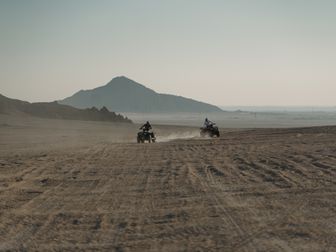
The Vulture Mountains ATV trails deliver the kind of Arizona desert riding many off-roaders look for: rugged mining roads, loose rock, sandy washes, and broad views across the Sonoran landscape. Located west and southwest of Wickenburg, this trail system draws ATV and side-by-side riders who want a mix of history, scenery, and moderately challenging terrain without committing to an extreme rock-crawling route. The area is closely tied to the historic Vulture Mine region, so rides here often feel like a blend of backcountry exploration and old mining-country sightseeing.
Riders visit the Vulture Mountains for several reasons. First, the network of BLM roads and OHV routes gives you room to build loops rather than simply riding out-and-back. Second, the terrain changes often enough to stay interesting, with hardpack two-track, embedded rock, wash sections, and occasional steeper grades. Third, it is close enough to Wickenburg and the greater Phoenix area to work as a day trip. We recommend it for riders who enjoy desert navigation, mild technical features, and the atmosphere of historic Arizona backroads.
Trail Overview

The Vulture Mountains riding area is best thought of as a network of BLM roads, mining access roads, and connecting OHV routes rather than one signed, linear trail. Most riders build custom loops around the Vulture Peak and Vulture Mine area using existing legal routes.
- Location: Vulture Mountains / Vulture Mine area, west-southwest of Wickenburg, Arizona
- Nearest town: Wickenburg, AZ
- Managing agency: Bureau of Land Management (BLM), Hassayampa Field Office area
- Approximate rideable mileage: Roughly 40-70+ miles of connected roads and OHV routes depending on loop choice and legal connectors
- Typical elevation: About 2,000 to 3,500 feet
- Difficulty range: Green to Blue, with a few Black-rated segments depending on route, wash conditions, and rocky climbs
- Permit requirements: No standard day-use trail permit is typically required for dispersed riding on open BLM routes, but Arizona OHV registration rules apply
- OHV sticker: Arizona resident OHVs generally need current registration and an OHV decal if operated primarily off-highway; out-of-state riders should verify current Arizona reciprocity and registration requirements before travel
- Best season: Late fall through early spring
- Avoid: Peak summer afternoons due to extreme desert heat
If you are planning a loop, riders often stage near legal access points off Vulture Mine Road or other BLM-accessible roads outside private property boundaries. Route planning matters here because the area includes a mix of public land, private land, and historical sites with separate access rules.
Trail Conditions & Terrain
This is classic lower-elevation Arizona desert terrain. Expect a combination of hardpack dirt roads, loose decomposed granite, embedded rock, shelfy mining roads, and sandy wash bottoms. The surface can change quickly, especially after monsoon weather or seasonal runoff.
On easier sections, you will find wider two-track and graded dirt roads where sightlines are decent and the riding feels relatively relaxed. These stretches are useful for beginners building confidence or for groups trying to cover ground toward more scenic sections. Even on these easier roads, washboarding and loose corner gravel are common, so speed control matters.
The moderate sections are where the Vulture Mountains become more interesting. Historic mining roads often narrow, tilt off-camber, or climb over ledgy rock and loose stone. In some places, the route runs through shallow washes filled with sand and fist-sized rock. Traction can feel inconsistent, especially for heavier ATVs carrying extra fuel, tools, or camping gear.
Steeper grades are not constant, but you will encounter short climbs and descents that require line choice. Loose rock on top of hardpack is one of the more common challenges. It is easy to lose momentum on the climb or lock up on the descent if tire pressure and braking technique are not dialed in.
Creek crossings are generally not a defining feature here. This is a dry desert system, so water crossings are uncommon outside of storm runoff events. However, flash-flooded washes and eroded drainage cuts can create abrupt transitions, deeper sand pockets, or rutted entries after rain.
Vegetation is typical Sonoran desert scrub: cactus, low brush, and scattered trees. The exposure level is high, meaning shade is limited for most of the ride. Dust can also be a major factor, especially in groups. During dry periods, visibility behind another machine can drop quickly on open roads and in wash sections.
Navigation deserves special mention. This area can look deceptively open, but mining roads and intersecting tracks can make route-finding less obvious than expected. Some roads dead-end at old mining areas, private property boundaries, or rougher terrain than your group may want to tackle. We recommend loading offline maps before arrival.
Difficulty & Who It's For
We rate the Vulture Mountains system as mostly Blue overall, with some Green connectors and occasional Black-feeling sections depending on your chosen route and current conditions.
Green: Easier desert roads
These are the wider BLM roads and smoother connectors around the system. They suit:
- Newer ATV riders with basic throttle and braking control
- Families riding conservatively
- Riders on utility ATVs who want scenery more than technical challenge
Even Green routes here still require desert awareness. Heat, dust, and remote conditions mean this is not the same as a groomed park trail.
Blue: Moderate mining roads and washes
This is the core experience most riders come for. These routes suit:
- Intermediate ATV riders
- Small groups comfortable with loose rock and moderate grades
- Riders who can manage sand, ruts, and uneven surfaces without constant spotting
If you have experience on Arizona desert trails, this is likely your sweet spot in the Vulture Mountains.
Black: Short technical sections
A few segments can feel Black when conditions deteriorate or when you choose rougher mining spurs. These suit:
- Experienced riders
- Those comfortable picking lines through rock and erosion
- Riders with proper tires, protection, and navigation tools
We would not classify the area as a true Double-Black destination for most standard ATV loops. It is more of a moderate desert system with pockets of technical difficulty rather than a sustained extreme trail network.
Permits & Access
Access in the Vulture Mountains area can be a little less straightforward than at a dedicated OHV park, so planning ahead matters.
Parking and staging
Most riders stage from legal BLM access points and roadside pullouts near Vulture Mine Road and surrounding public access roads outside private property. Parking conditions vary from flat dirt lots to informal shoulder staging areas. Large trailers can fit in some spots, but not every access point is ideal for long rigs.
Before unloading, confirm that:
- You are on public land or in a legal staging area
- You are not blocking gates or mine-access roads
- Your route does not cross closed or private property without permission
Permit costs
At the time of writing, there is generally no separate BLM trail permit fee for riding legal open routes in this area. However, costs may apply elsewhere if you visit nearby attractions or private sites.
Reservation requirements
For general dispersed OHV riding on open BLM routes, reservations are typically not required. This is not a reservation-based trail system in the same way some parks or campgrounds are.
OHV sticker requirements
Arizona has specific OHV registration rules. In general:
- Arizona residents typically need current vehicle registration
- OHVs operated primarily off-highway generally require an Arizona OHV decal
- Operators must follow Arizona equipment and street-legal rules if using any road segments where those laws apply
- Out-of-state riders should verify current Arizona MVD and BLM guidance before travel
We recommend checking:
- Arizona MVD OHV Decal Program
- BLM Hassayampa Field Office updates for closures, fire restrictions, and route status
Important access note
The Vulture Mine itself is a historic attraction with its own property and visitor rules. Riding access around the mountains does not automatically mean unrestricted access through all mine-related lands or private parcels. Stay on legal, open routes and respect posted signs.
Tips for Riding This System
- Start early, especially outside winter. The biggest challenge here is often heat, not trail difficulty. Morning rides are safer and more comfortable.
- Carry more water than you think you need. Desert exposure is intense, and shade is limited across much of the route network.
- Use offline navigation. Mining roads branch often, and cell service can be unreliable. A GPS or downloaded map can save a long backtrack.
- Watch wash entries after storms. Monsoon runoff can deepen sand, cut ruts, and create abrupt ledges where a route enters or exits a wash.
- Ride with extra spacing in dusty conditions. Visibility can drop quickly on open roads, and hidden rock in the dust cloud is a real hazard.
- Inspect tires and underbody protection before the trip. Sharp rock and ledges are common enough that weak tires or minimal skid protection can become a problem fast.
- Respect private property and historic sites. The area’s appeal comes partly from its mining history, and staying on legal routes helps preserve access.
FAQ
Is the Vulture Mountains area good for beginner ATV riders?
Yes, partly. Some wider BLM roads and easier connectors are beginner-friendly, but the overall system is better for riders with at least basic desert experience. Loose rock, sand, heat, and route-finding can make even moderate sections feel more demanding.
Do you need a permit to ride Vulture Mountains ATV trails?
Usually, no separate trail permit is required for legal OHV riding on open BLM routes in this area. However, Arizona OHV registration and decal requirements still apply, and riders should verify current rules before visiting.
Are there technical obstacles on these trails?
Yes, but they are usually short rather than constant. The most common obstacles are loose rock, eroded mining-road sections, sandy washes, ruts, and occasional steeper climbs or descents.
What is the best time of year to ride the Vulture Mountains?
Late fall, winter, and early spring are the best seasons. Summer can be dangerously hot, and monsoon periods may change wash conditions or create erosion that makes routes rougher.
Get our best guides in your inbox
Final Thoughts
The Vulture Mountains are a strong choice for riders who want a true Arizona desert loop experience with history, scenery, and enough technical variety to stay engaging. This is not a highly manicured OHV park, and that is part of the appeal. You get broad open country, old mining-road character, and the freedom to piece together a ride that matches your group’s skill level.
Final Thoughts
The Vulture Mountains are a strong choice for riders who want a true Arizona desert loop experience with history, scenery, and enough technical variety to stay engaging. This is not a highly manicured OHV park, and that is part of the appeal. You get broad open country, old mining-road character, and the freedom to piece together a ride that matches your group’s skill level.
02.90★★★★★ (16)Check Price on Amazon →At BestATVTrails, we recommend the Vulture Mountains for intermediate riders first, though careful beginners can still enjoy selected routes with good planning. Bring navigation, carry extra water, respect access boundaries, and prepare for rock and heat. If you do that, this area can deliver one of the more memorable desert rides near Wickenburg.
Top Picks & Comparison
| # | Product | Price | Rating | ||
|---|---|---|---|---|---|
| #1 | |
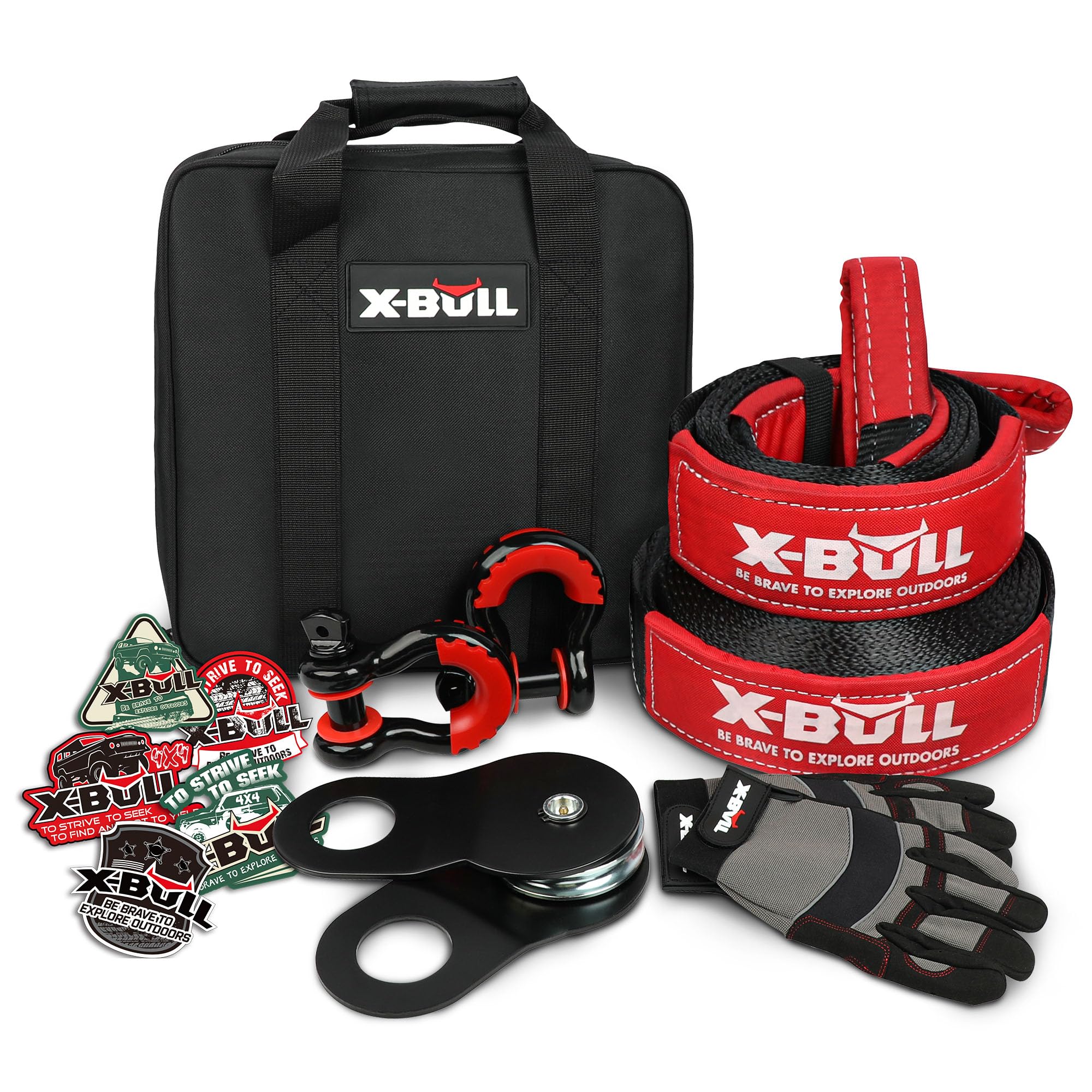
X-BULL Off-Road 4×4 Recovery Kit - Heavy Duty 3'' x 30' (31518LBS) 100% Nylon Tow Strap+41887lbs Break Strength D-Ring Shackles (2pcs)+Block Pulley+Gear Storage Bag +Gloves for ATV/UTV Jeep Truck |
$102.90 | (16) | Check Price on Amazon → |
| #2 |  |
VEVOR Off-Road Recovery Kit, 3" x 30' Tow Straps Heavy Duty with Hooks 30,000 lbs Winch Strap Kit, 44092 lbs D-Ring Shackles, Shackle Receiver, Snatch Block Pulley, Gloves, Storage Bag for ATV Jeep |
$94.90 | (252) | Check Price on Amazon → |
| #3 |  |
1" x30ft Kinetic Recovery Rope (48,500lbs) – Heavy Duty Recovery Kit with Tow Strap, 2 Soft Shackles (7/16"x22"), Off-Road Shovel & Carry Bag – Ideal for Trucks, SUVs, ATVs, UTVs |
$59.95 | (117) | Check Price on Amazon → |
| #4 | 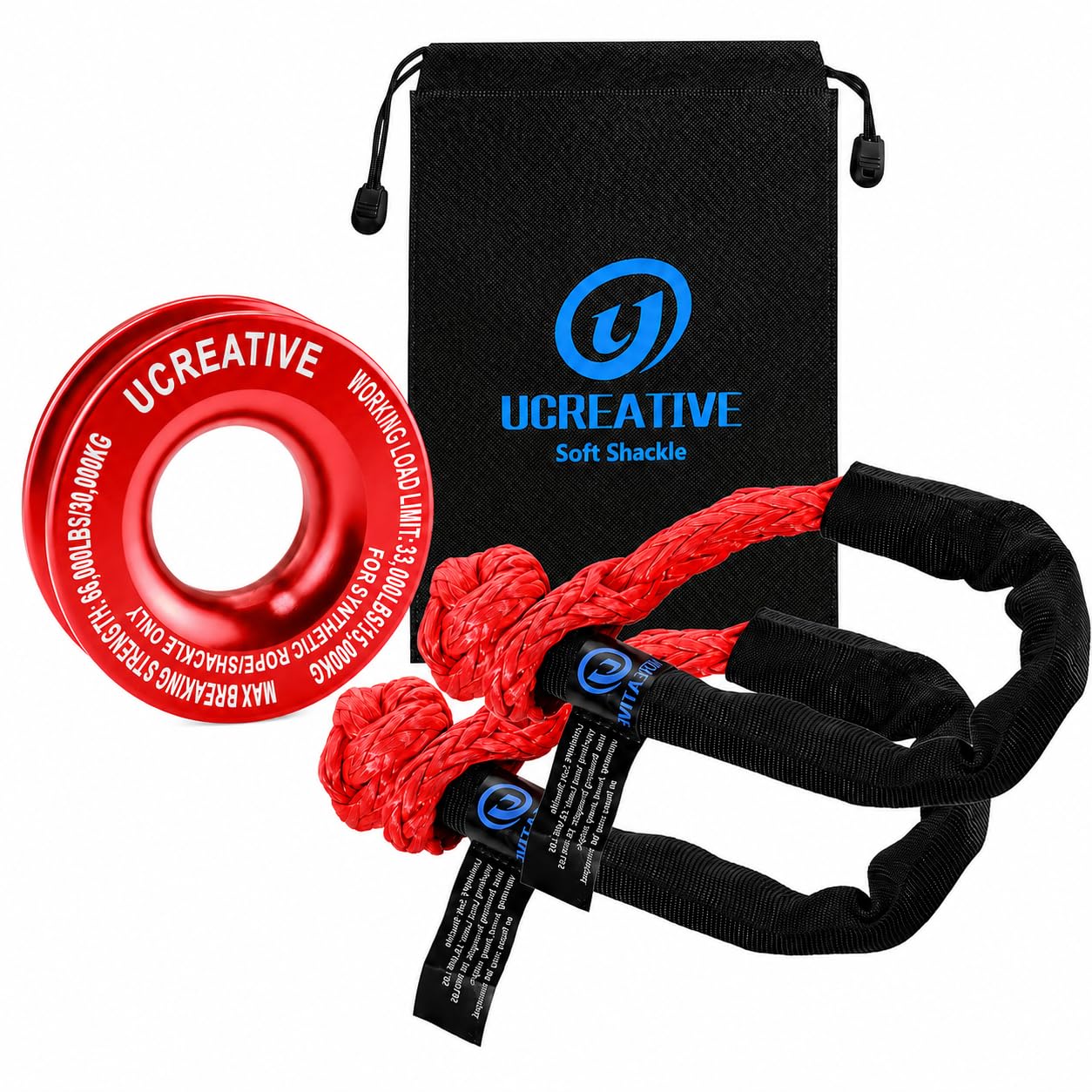 |
Ucreative Red Recovery Ring and 2PCS Red Soft Shackle (1/2 Inch x 22 Inch) kit for Synthetic Winch Rope for ATV UTV SUV Truck Off-Road Vehicle Recovery |
$27.99 | (246) | Check Price on Amazon → |