Best ATV Trails in West Virginia (2026)

Ellen Kietzmann brings more than 25 years of senior leadership in the RV and outdoor recreation industry. She spent 22 years at Blue Ox — rising from Vice President of Sales & HR to President — where she grew the deal…
Why trust us
BestATVTrails trail guides are researched by riders with decades of powersports experience. Our lead researcher spent 30+ years in powersports retail and has ridden trails across a dozen US states. Every gear recommendation is sourced from real product research matched to specific terrain — not paid placements or generic affiliate lists.

Best ATV Trails in West Virginia
Gear for This Trail

Because West Virginia riding often means mud, rock, steep hills, and long trail days, we recommend gear that improves protection, traction planning, recovery readiness, and comfort. The products below are widely available online and match the demands of this terrain well.
| Gear Type | Brand | Product | Why It Suits West Virginia Trails | Approx. Price |
|---|---|---|---|---|
| Helmet | Bell | Bell Qualifier DLX MIPS | Good full-face protection for wooded mountain trails, a fog-resistant shield setup, and MIPS adds extra impact management for technical terrain. Strong choice for riders dealing with dust one day and cold wet weather the next. | $230-$320 |
| Gloves | Fox Racing | Fox Dirtpaw Gloves | Affordable, durable gloves with solid grip for wet bars and muddy controls. Good for repeated braking, shifting, and branch contact in tight sections. | $25-$35 |
| Chest/Upper Body Protection | Alpinestars | Bionic Action V2 Jacket | Useful on black and double-black terrain where rocks, bars, and tree strikes are real risks. Adds chest, shoulder, elbow, and back coverage without going full motocross race setup. | $180-$250 |
| Terrain-Specific Recovery Item | Rhino USA | Recovery Tow Strap (3" x 20') | A smart addition for West Virginia mud. If your group rides after rain, a recovery strap is one of the most practical items you can carry for hill pulls and mud extractions. | $30-$45 |
| Navigation Item | Garmin | Tread Powersport GPS | Excellent for managed systems with multiple intersections and connectors. Helpful when exploring large Hatfield-McCoy sections, locating trailheads, and tracking routes through mountain terrain. | $500-$700 |
| Comfort/Utility Item | Kemimoto | ATV Rear Cargo Bag | Great for carrying layers, water, tools, snacks, and recovery gear on all-day rides. Especially useful since weather can shift quickly in the mountains. | $70-$120 |
If your ATV doesn't already have underbody protection, we also strongly suggest checking your skid plate coverage before riding the rougher Hatfield-McCoy systems. Rock strikes and rut edges are common enough here that a vulnerable stock setup can take a beating.
Introduction
If you're searching for the best ATV trails in West Virginia, you're looking at one of the strongest off-road states in the eastern U.S. West Virginia combines coal country mountains, dense forest, steep grades, rock-strewn climbs, and the kind of heavy mud that can turn a casual ride into a full recovery day after rain. Riders come here for big-mile trail systems, scenic ridge runs, creek crossings, and trail networks that can keep you busy for an entire weekend or longer.
At BestATVTrails, we researched the major riding systems across the state, and one name rises above the rest for sheer scale and variety: the Hatfield-McCoy Trails network. While West Virginia has smaller local riding areas, Hatfield-McCoy is the system most riders mean when they talk about the state's best ATV experience. It offers hundreds of miles spread across multiple trailheads and counties, with everything from beginner-friendly connectors to steep, technical mountain routes. If you want legal, mapped, permit-based ATV riding with real trail infrastructure, this is the place most riders should start.
Trail Overview

West Virginia's flagship ATV destination is the Hatfield-McCoy Trails system, a large managed OHV network in southern West Virginia. Instead of one single loop, it's a collection of interconnected and regionally separated trail systems with their own trailheads, nearby towns, and riding character.
Key Stats
- Primary trail system: Hatfield-McCoy Trails
- Total miles: 1,000+ miles across the full network
- Popular systems for ATV riders: Bearwallow, Buffalo Mountain, Devil Anse, Rockhouse, Pinnacle Creek, Pocahontas, Warrior, Indian Ridge, Cabwaylingo, Outlaw trails in linked regions
- Difficulty range: Green, Blue, Black, and Double-Black
- Elevation: Generally ranges from roughly 700 to over 3,000 feet depending on the system
- Permit required: Yes, Hatfield-McCoy Trail Permit required for all riders
- Best season: Spring and fall for cooler temperatures; summer for longer riding days; winter can be rideable but conditions vary
- Nearest towns: Gilbert, Logan, Man, Matewan, Mullens, Pineville, Bramwell, Welch, and other southern West Virginia trail towns depending on trailhead
Best Systems to Know
Here are a few of the most talked-about systems for ATV riders:
- Bearwallow Trail System: Known for scenic overlooks, mixed difficulty, and access near Logan.
- Buffalo Mountain Trail System: One of the best-known systems, with a broad mix of terrain and direct access from towns like Delbarton and Williamson.
- Devil Anse Trail System: Historic name recognition, trail-town access, and a balance of easier and moderate terrain.
- Rockhouse Trail System: A favorite for riders who want more challenge, mud, and steeper technical sections.
- Pinnacle Creek Trail System: Popular for mountain riding, varied surfaces, and good links to lodging and trail services.
Trail Conditions & Terrain
West Virginia riding is defined by mountain terrain and changing conditions. Even on the same day, riders can move from hard-packed gravel-like surfaces to slick clay mud, exposed rock shelves, rooted hill climbs, and shallow creek crossings. That variety is exactly why so many riders travel here, but it's also why preparation matters.
The base surface on many Hatfield-McCoy routes is a mix of packed dirt, crushed stone, loose rock, and clay soil. In dry weather, many green and blue trails are manageable for average riders on stock utility or sport ATVs. Once rain moves in, though, the clay turns slick fast. Tires lose bite on climbs, ruts deepen, and downhill braking gets more technical.
Expect to see:
- Steep grades on mountain ascents and descents
- Ruts and washouts after storms or heavy traffic
- Embedded rock and loose baby-head rock on technical sections
- Mud holes and wallows that can deepen significantly in wet weather
- Creek crossings and drainage cuts on select routes and connectors
- Tight wooded sections with limited line choice
- Narrow shelf-style mountain trails in some advanced areas
Systems like Rockhouse and parts of Buffalo Mountain are especially known for rougher, more technical riding. Bearwallow tends to offer a more balanced experience with scenic ridges and a spread of trail ratings. Devil Anse is often recommended for riders who want a classic West Virginia experience without jumping straight into the hardest terrain.
One thing we recommend keeping in mind: West Virginia mud is not the same as a shallow puddle on a flat trail. In coal country mountains, mud often forms in rutted uphill sections where momentum, tire choice, and ground clearance all matter. A trail that looks moderate on paper can ride much harder after a wet week.
Difficulty & Who It's For
The Hatfield-McCoy network uses a familiar color-coded rating system, and it's one of the better-organized systems in the region for helping riders choose routes that match their skill level.
Green Trails
Best for: Beginners, families, newer ATV riders, cautious riders on stock machines
Green trails are the most approachable routes in the system. They typically have gentler grades, wider track, fewer technical obstacles, and easier navigation. That said, "easy" in West Virginia still means mountain terrain. After rain, even green trails can become slick and rutted.
Blue Trails
Best for: Intermediate riders, confident recreational riders, groups with mixed experience
Blue trails are the sweet spot for many visitors. These routes may include steeper climbs, rougher rock, deeper mud, tighter corners, and more off-camber sections. If you ride regularly and have decent throttle and braking control, blue trails will likely be your main focus.
Black Trails
Best for: Advanced riders with mountain experience and capable machines
Black trails often feature sustained steep grades, technical rock, sharper ledges, deeper mud, and more difficult line selection. Riders should be comfortable shifting body position, managing traction on climbs, and descending on slick surfaces. Recovery gear becomes much more important here.
Double-Black Trails
Best for: Expert riders only
Double-black routes are for riders who specifically want difficult, technical mountain terrain. These sections can include severe mud, highly eroded climbs, narrow technical track, and obstacles that punish poor line choice. We only recommend these trails for experienced riders on well-prepped machines.
Our Overall Difficulty Take
Across the full network, we would rate West Virginia's flagship ATV riding as Blue to Black overall, with Green access for beginners and Double-Black options for experts. The state is a great fit for riders who enjoy elevation, changing surfaces, and real trail variety rather than flat, repetitive loops.
Permits & Access
The main legal riding option for destination ATV travel in West Virginia is through the Hatfield-McCoy Trails permit system.
Permit Requirements
- Permit required: Yes
- Who needs it: All riders using the Hatfield-McCoy Trail System
- Resident permit: Typically lower cost than non-resident pricing
- Non-resident permit: Commonly around the $50 range for a yearly permit, though riders should verify current rates before traveling
- Where to buy: Online through Hatfield-McCoy Trails or at authorized local vendors, trailhead facilities, and participating outfitters
OHV Registration and Trail Access
West Virginia permit rules can change over time, and machine requirements may differ based on whether your ATV is used strictly off-road or also operated on approved town connectors. We recommend checking these items before your trip:
- Current Hatfield-McCoy permit pricing
- Any state registration or title requirements that apply to your machine
- Whether your ATV is legal for designated on-road connector routes in trail towns
- Helmet and age-related rules for youth riders
Parking and Trailheads
Most major systems have designated trailheads with parking, signage, and access infrastructure. Popular trailheads are located near the system they serve, and many are close to lodging, fuel, food, and repair support in ATV-friendly towns.
Examples include access areas near:
- Logan for Bearwallow
- Delbarton/Williamson for Buffalo Mountain access points
- Gilbert and Matewan for Devil Anse region riding
- Man for Rockhouse access
- Pineville for Pinnacle Creek
Reservations
- Trail permits: Usually no advance reservation required beyond purchasing your permit
- Lodging: Strongly recommended to reserve ahead during peak weekends, fall color season, and holiday periods
- Guided rentals/tours: Reserve in advance if you're not bringing your own machine
Tips for Riding This System
- Check recent weather before choosing your system. A blue trail in dry conditions can feel like a black trail after several days of rain, especially in clay-heavy sections.
- Start on green or blue connectors even if you're experienced elsewhere. West Virginia mountain terrain rides differently than flat woods or sand trails.
- Top off fuel whenever you can. Some systems and linked town routes make it easy to access services, but trail mileage adds up fast.
- Carry recovery basics every ride. At minimum, we recommend a tow strap, tire repair kit, and a way to communicate with your group.
- Use the official map and trail numbering. Hatfield-McCoy is large enough that casual navigation can lead to missed turns, wrong difficulty choices, or longer return rides than expected.
- Dress for elevation and weather swings. Morning fog, cool ridge temperatures, and wet lowland mud can all happen on the same day.
- Respect closures and trail ratings. The system is well managed, and staying on marked routes helps protect access and keeps conditions safer for everyone.
FAQ
What is the best ATV trail system in West Virginia?
For most riders, the best ATV trail system in West Virginia is Hatfield-McCoy Trails. It offers the most legal mileage, the best-known trail infrastructure, multiple trail towns, and a full range of difficulty levels.
Which Hatfield-McCoy trail is best for beginners?
Devil Anse and selected Bearwallow routes are often good starting points because they offer a mix of easier trails, services nearby, and a classic West Virginia riding experience. Beginners should still stick to marked green routes first.
Do you need a permit to ride ATV trails in West Virginia?
Yes, for the Hatfield-McCoy system you need a trail permit. Costs vary for residents and non-residents, and riders should confirm current pricing and machine requirements before arriving.
When is the best time to ride ATV trails in West Virginia?
Spring and fall are usually the best seasons for comfort and scenery. Spring can be muddier, while fall often brings cooler temperatures and excellent mountain views. Summer is also popular, but it can be humid and busy on peak weekends.
Are the trails in West Virginia hard after rain?
Yes. West Virginia trails can become significantly more difficult in wet weather. Clay mud, ruts, slick rock, and steep grades make traction much more challenging after rain.
Get our best guides in your inbox
Final Take
West Virginia earns its reputation with real mountain riding, not just long mileage. The combination of coal country terrain, creek crossings, steep climbs, and deep mud gives the state a distinct identity that keeps riders coming back. If you want the best ATV trails in West Virginia, the Hatfield-McCoy network is the clear first choice thanks to its scale, management, and variety.
We recommend planning your route around your skill level, checking current permit details before you go, and bringing gear that matches the terrain instead of hoping a generic trail setup will be enough. Ride prepared, respect the ratings, and West Virginia can deliver one of the best ATV weekends in the East.
Top Picks & Comparison
| # | Product | Price | Rating | ||
|---|---|---|---|---|---|
| #1 | |
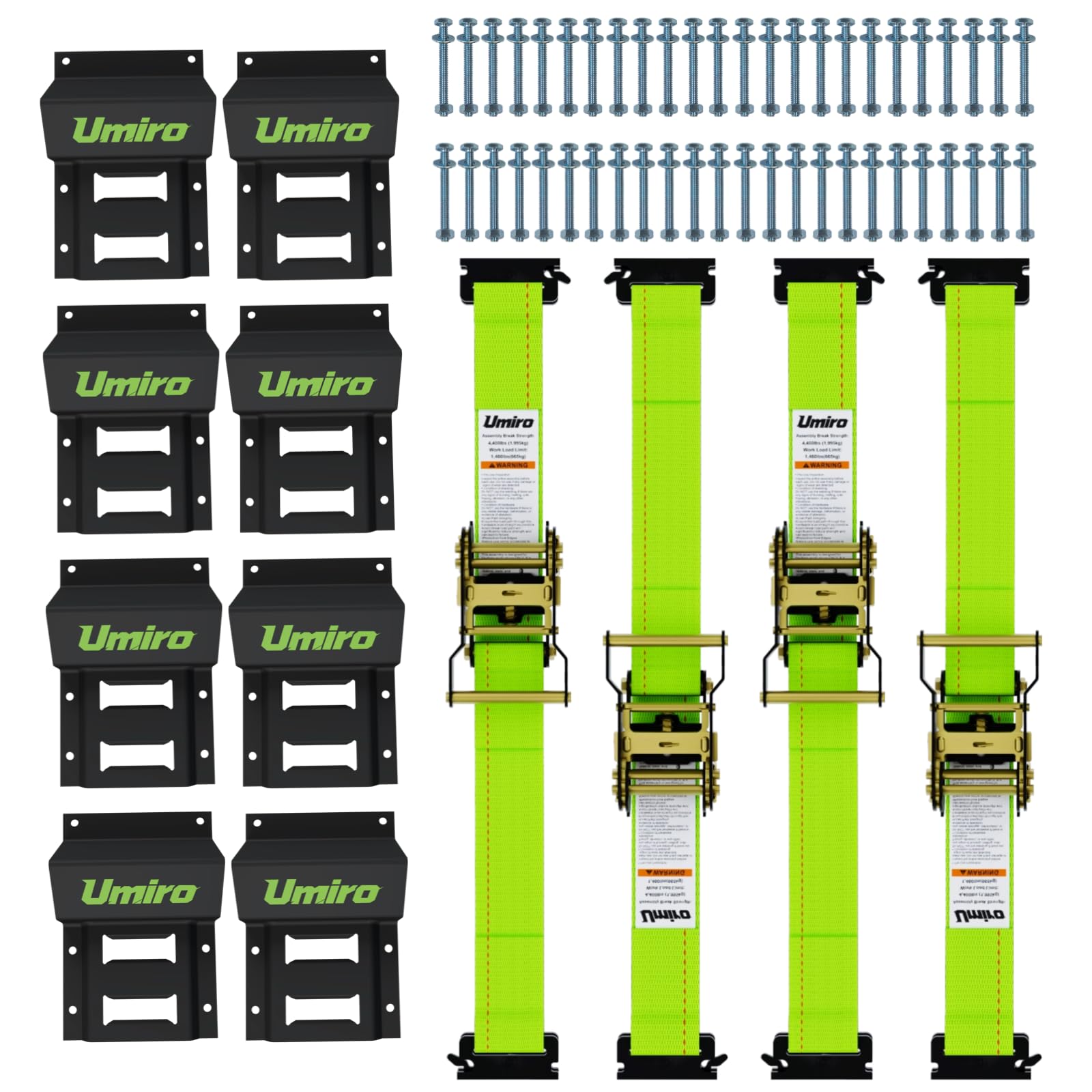
UTV Wheel Chock Tie-Down Kit, 4-Pack 2" x 10' E Track Ratchet Straps, 4,500lb Break Strength, Heavy Duty Trailer Tire Straps for SXS, UTV, ATV, Lawn Mower (Neon Green, 4pack) |
$75.99 | (8) | Check Price on Amazon → |
| #2 | 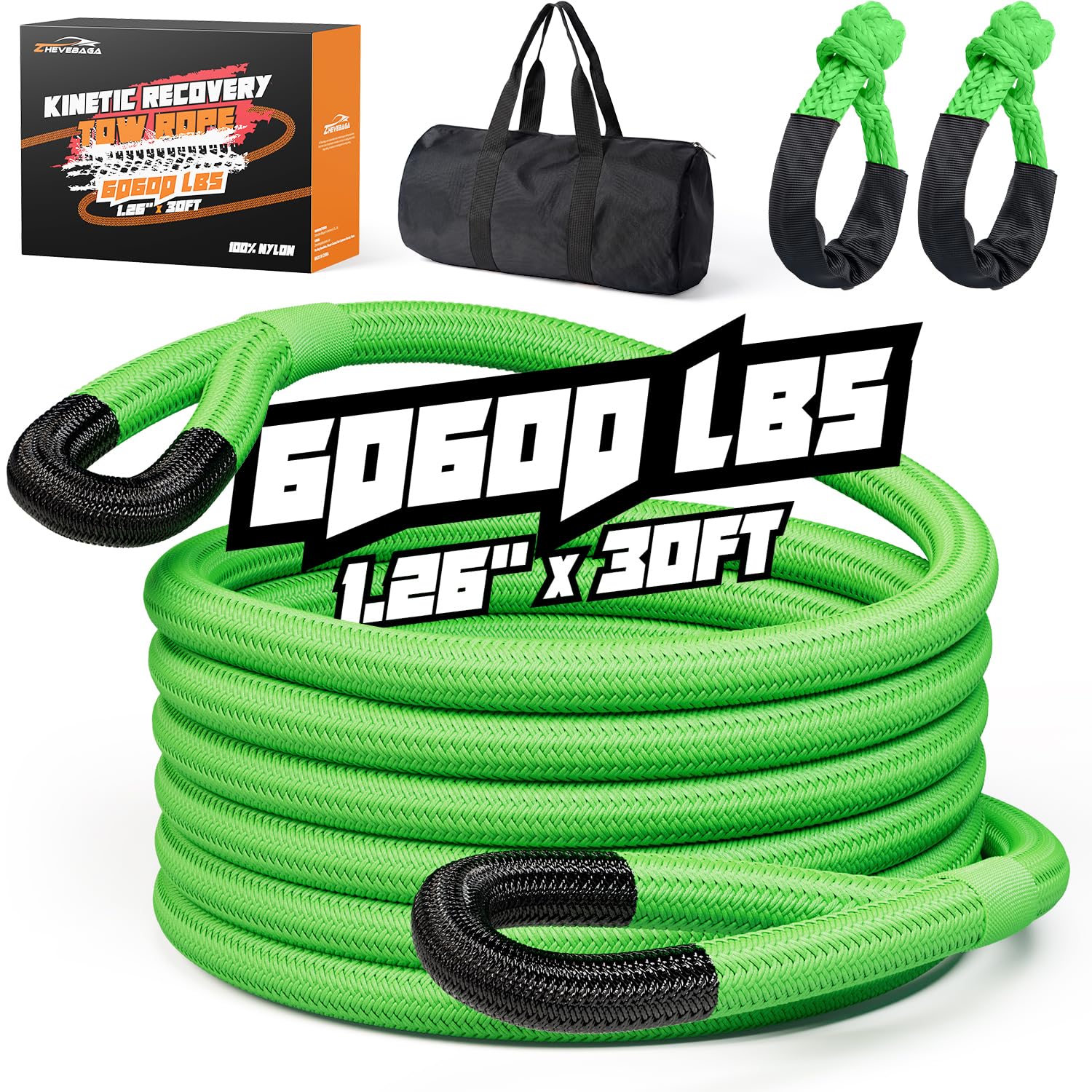 |
Kinetic Recovery Rope,1.26" x30ft Heavy Duty Offroad Tow Rope/60600 lbs Snatch Strap with Soft Shackles, 100% Nylon Offroad Towing Straps Kit for Truck ATV UTV SUV Jeep Car Tractor - Green |
$89.99 | (30) | Check Price on Amazon → |
| #3 | 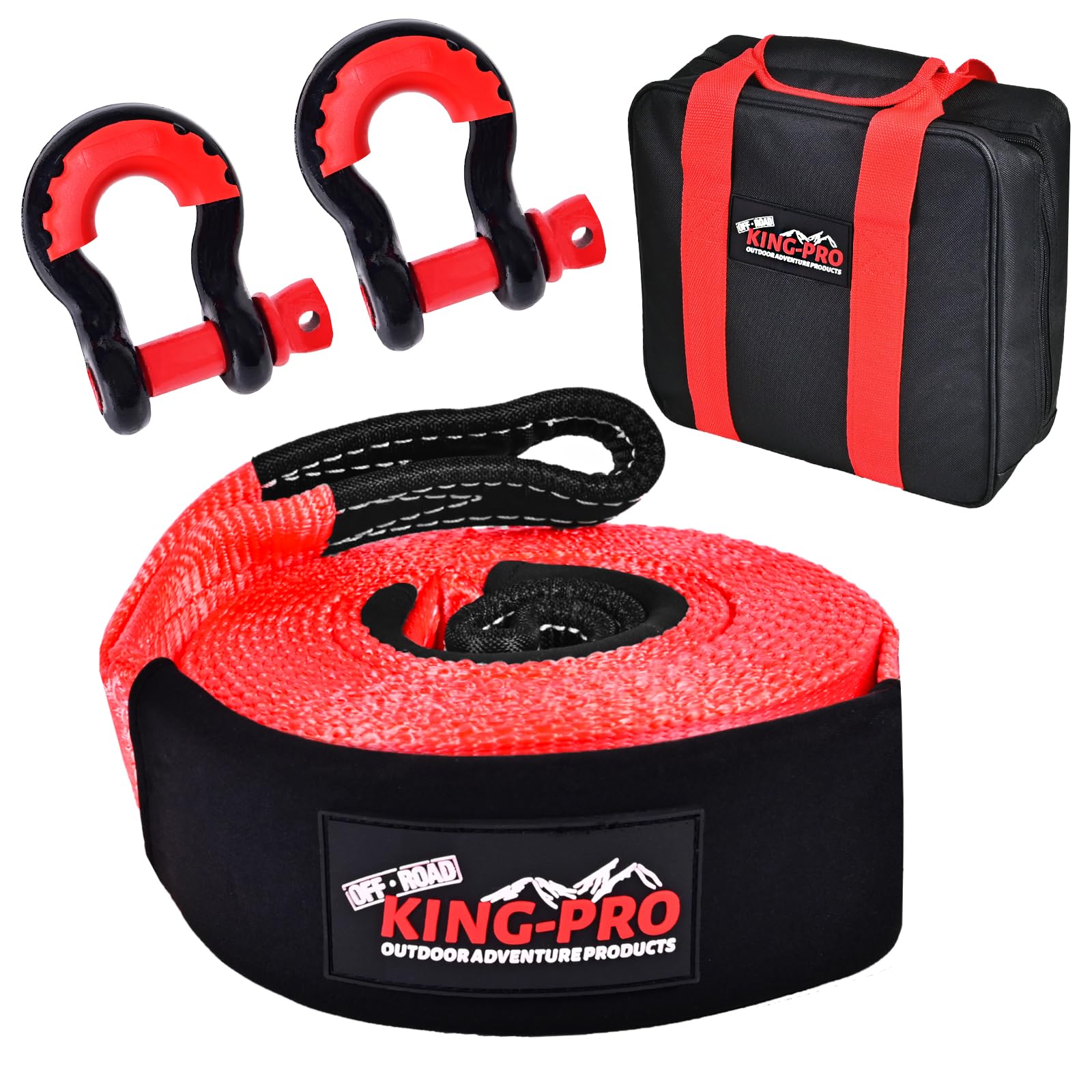 |
KING-PRO Snatch Strap Recovery Kit 3" x 20ft, 33,000lbs Breaking Strength with 23% Elongation, 100% Nylon Kinetic Towing Strap with 2pcs Heavy Duty 3/4 D Ring Shackles for Truck SUV ATV Off Road |
$47.99 | (59) | Check Price on Amazon → |
| #4 |  |
2ft ATV Recovery Strap with Winch Hook and D Ring Shackle, Tow Rope for Four Wheeler, Quad, 17,600lb Synthetic Rope with Loops, Premium Mudding Accessories |
$39.99 | (510) | Check Price on Amazon → |
| #5 |  |
4FT UTV ATV Recovery Strap 19400LBS with Winch Hook and D-Ring Shackle, Synthetic Tow Rope Premium Mudding Accessories |
$41.79 | (58) | Check Price on Amazon → |
| #6 | 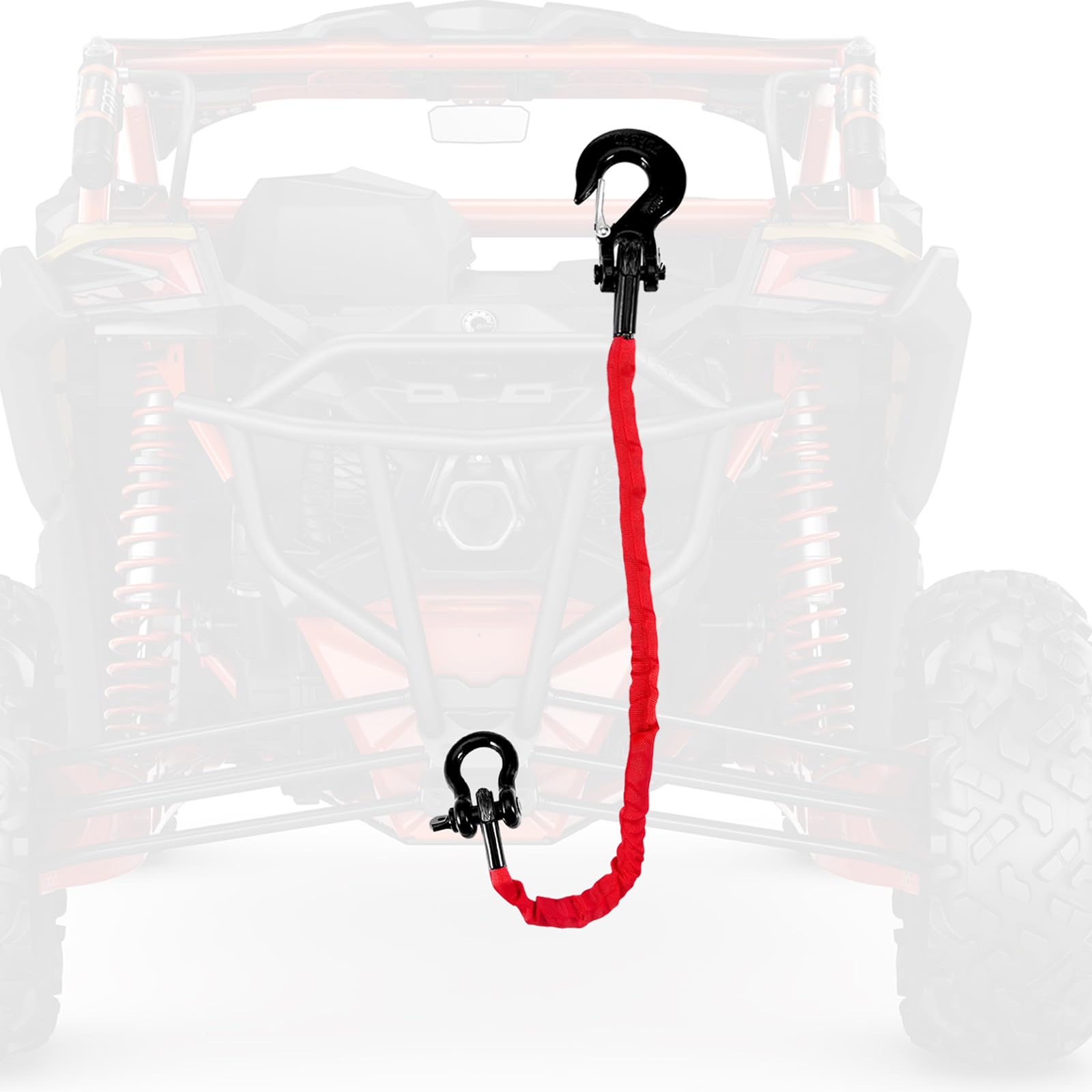 |
4FT Recovery Strap ATV UTV 18000lb with D Ring Shackle and Winch Hook Synthetic Tow Recovery Rope with Loops Premium Mudding Accessories |
$42.99 | (50) | Check Price on Amazon → |
| #7 |  |
XPV AUTO Recovery Strap (18,000lb.) 2FT with Winch Hook and D-Ring Shackle Synthetic Tow Recovery Rope for ATV Mud Recovery |
$42.95 | (42) | Check Price on Amazon → |