Best Mountain ATV Trails in West Virginia (2026)

Salem Hassan founded Travelcamp RV and brings 30+ years of hands-on RV, marine, and powersports retail experience to every review.
Why trust us
BestATVTrails trail guides are researched by riders with decades of powersports experience. Our lead researcher spent 30+ years in powersports retail and has ridden trails across a dozen US states. Every gear recommendation is sourced from real product research matched to specific terrain — not paid placements or generic affiliate lists.

Best Mountain ATV Trails in West Virginia
Gear for This Trail

For steep, muddy Appalachian riding, we recommend gear that prioritizes impact protection, visibility, navigation, and self-recovery. The products below are well matched to West Virginia's mountain conditions.
| Gear Type | Brand | Product | Why It Suits This Trail | Approx. Price |
|---|---|---|---|---|
| Helmet | Bell | Qualifier Full-Face Helmet | West Virginia mountain trails can be tight, muddy, and branch-heavy. A full-face design adds protection from roost, limbs, and cold-weather wind on ridge sections. | $120-$180 |
| Protective Gear | Alpinestars | Bionic Action Chest Protector | Technical black and double-black trails increase the chance of bar impacts, roost, and low-speed tip-overs on rock or rut sections. This adds upper-body protection without being overly bulky. | $130-$180 |
 Gloves Gloves |
Fox Racing | Dirtpaw Gloves | Wet grips, muddy controls, and repeated braking on descents demand reliable hand traction and light protection. These are a practical choice for all-day mountain riding. | $25-$35 |
| Terrain-Specific Item | Garmin | Tread Powersport Off-Road Navigator | Multi-system riding in Hatfield-McCoy country is easier with dedicated powersports navigation. It helps riders track routes, intersections, and wayfinding in dense forest where phone signal can be unreliable. | $500-$700 |
| Recovery Item | Rhino USA | Tow Strap Recovery Kit | Mud holes, slick climbs, and rut traps are common after rain. A quality recovery strap is one of the smartest items to carry when riding remote Appalachian trails with a group. | $30-$50 |
| Comfort/Utility Item | Nelson-Rigg | Hurricane ATV Rear Rack Bag | Mountain systems often mean long ride days away from town. A waterproof rack bag helps carry tools, layers, snacks, and first-aid gear while keeping essentials dry in wet forest conditions. | $90-$140 |
If your ATV does not already have underbody protection, we also strongly recommend checking your skid plates before a West Virginia trip. Rock ledges and hidden stumps can punish exposed components quickly.
Introduction
If you're searching for the best mountain ATV trails West Virginia has to offer, you're looking in the right state. West Virginia is built for mountain riding: steep Appalachian grades, long forested ridge lines, tight switchbacks, rocky climbs, and the kind of wet, muddy conditions that can turn an easy ride into a technical day fast. Riders come here for elevation change, remote scenery, and trail systems that reward both skill and preparation.
For most ATV riders, the conversation starts with the Hatfield-McCoy Trails network, but West Virginia's mountain riding appeal goes beyond a single trailhead. Systems like Pinnacle Creek, Rockhouse, Buffalo Mountain, Bearwallow, and Cabwaylingo each offer a different take on mountain terrain, from easier scenic loops to black-diamond hill climbs and slick, rutted descents through dense hardwood forest. We researched the most popular mountain-focused riding areas, permit rules, and trail characteristics so riders can choose a system that matches their machine, experience level, and appetite for technical Appalachian terrain.
Trail Overview

Because West Virginia's best mountain ATV riding is spread across several connected or standalone systems, we recommend treating this as a regional guide rather than a single-trail review. The core destination for most riders is the Hatfield-McCoy Trails network, with several systems especially known for mountain terrain.
Key Stats
- Primary region: Southern and southwestern West Virginia
- Major systems covered: Pinnacle Creek, Rockhouse, Buffalo Mountain, Bearwallow, Cabwaylingo
- Total miles: Hatfield-McCoy has 1,000+ miles across its broader network; individual systems vary widely
- Difficulty range: Green to Double-Black
- Elevation: Commonly ranges from valley floors to mountain ridges around 1,000 to 3,000+ feet, depending on system
- Permit requirement: Yes for Hatfield-McCoy and many managed systems
- Best season: Spring and fall for scenery and moderate temperatures; summer for longer riding windows; winter can be slick and highly weather-dependent
- Nearest towns: Gilbert, Man, Logan, Williamson, Welch, Beckley area access points, and Dunlow for Cabwaylingo access
Notable Mountain-Focused Systems
- Pinnacle Creek Trail System – Near Pineville; known for steep climbs, wooded mountain routes, and a mix of blue and black technical sections.
- Rockhouse Trail System – Near Man; one of the most famous Hatfield-McCoy systems for challenging terrain, narrow mountain routes, and serious hill work.
- Buffalo Mountain Trail System – Near Williamson/Delbarton area; broad mileage and a good blend of scenic mountain riding with technical connectors.
- Bearwallow Trail System – Near Logan; a strong option for varied terrain and easier access to lodging and town services.
- Cabwaylingo State Forest OHV Trails – Smaller and more primitive-feeling, with forested mountain riding outside the main Hatfield-McCoy spotlight.
Trail Conditions & Terrain
West Virginia mountain riding is defined by constant elevation change. Even when a route begins on a relatively smooth gravel or packed-dirt corridor, it often transitions quickly into steeper, narrower mountain trail with exposed rock, embedded roots, water bars, and deep mud pockets. In the Appalachian hills, drainage and weather shape the ride every day.
Across systems like Rockhouse and Pinnacle Creek, riders should expect a mix of:
- Hard-packed dirt on maintained connectors
- Loose shale and embedded rock on climbs and ridge traverses
- Wet clay and slick mud in shaded woods and low spots
- Ruts and washouts after heavy rain
- Tight switchbacks on steeper mountainsides
- Creek-fed runoff crossings and standing water holes
- Off-camber shelf trail sections in narrower mountain corridors
One reason riders travel to this part of West Virginia is that the terrain changes constantly over the course of a single day. A green route may feel approachable in dry weather, but after rain, the same section can become slick enough to demand careful throttle control and line choice. Blue trails often introduce steeper grades, more rock ledges, and rougher descents. On black and double-black segments, especially in systems like Rockhouse, riders may encounter aggressive hill climbs, deep rut channels, sharp rock shelves, and uneven surfaces that challenge traction and suspension.
Forest coverage is another defining feature. Most of these mountain systems run through dense hardwood and mixed forest, which keeps many sections shaded and damp. That means mud lingers longer than it does in open-country trail systems. During spring and fall, leaf cover can also hide rocks, roots, and holes. In summer, vegetation can close in around narrower routes, while winter freeze-thaw cycles can create hard ruts in the morning and sloppy surfaces by afternoon.
If you're used to flatter Midwestern trail systems or sandy riding areas, West Virginia's mountain terrain feels more technical, more vertical, and more dependent on weather. Good tires, a realistic route plan, and enough fuel and recovery gear matter here.
Difficulty & Who It's For
We use the common Green / Blue / Black / Double-Black scale because it fits West Virginia mountain riding well.
Green – Beginner to Lower-Intermediate
Green routes are best for newer riders, families, and anyone wanting scenic mountain access without committing to the roughest lines. These trails usually have wider corridors, gentler grades, and fewer major obstacles. That said, in West Virginia, even green can include mud, loose rock, and moderate climbs. We recommend green routes for riders still building confidence with hill starts, braking on descents, and wet-surface handling.
Blue – Intermediate
Blue is the sweet spot for many ATV riders visiting Hatfield-McCoy. Expect steeper grades, tighter turns, rougher surfaces, and more frequent obstacles. Riders should be comfortable standing on the pegs, choosing lines through rock and rut sections, and managing traction in mud. Systems like Buffalo Mountain and Bearwallow offer plenty of blue terrain for riders who want a full mountain experience without living on black-diamond climbs all day.
Black – Advanced
Black trails suit experienced riders with solid machine control and a willingness to handle technical terrain. These routes often include steep hill climbs, rocky descents, deep mud, shelf trail exposure, and tighter wooded sections. Pinnacle Creek and Rockhouse are especially well known for this level of riding. We recommend black trails only for riders who are comfortable with momentum management, body positioning, and navigating rough terrain without panicking when conditions deteriorate.
Double-Black – Expert Only
Double-black routes are for highly experienced riders on well-prepared machines. Expect severe grades, large ruts, major rock features, and conditions that can become much harder in wet weather. These sections are not ideal for loaded utility setups, inexperienced passengers, or first-time visitors trying to ride beyond their comfort level. If your group includes mixed skill levels, it's usually smarter to split routes and regroup at easier connectors.
Permits & Access
For most riders, access to the best mountain ATV trails in West Virginia means using the Hatfield-McCoy Trails permit system.
Hatfield-McCoy Permit Basics
- Permit required: Yes
- Resident permit: Typically lower cost than non-resident
- Non-resident permit: Commonly around the $50 range, though riders should always verify current pricing before traveling
- Where to buy: Official Hatfield-McCoy Trails website, trailhead facilities, and authorized local vendors
- Duration: Permits are generally sold as annual permits rather than day passes
Parking and Trailhead Access
Parking varies by system. Popular trailheads such as those serving Rockhouse, Pinnacle Creek, Bearwallow, and Buffalo Mountain usually have designated lots or staging areas, but capacity can tighten during peak weekends and event periods. Some trail towns also allow direct lodging-to-trail access, which is one reason riders like staying near places such as Gilbert, Man, Logan, and Williamson.
Reservations
- Trail permits: Usually do not require reservations
- Cabins/lodging: Strongly recommended to reserve early in spring, fall, and holiday weekends
- Guided rides or rentals: Often require advance booking, especially in high-demand trail towns
OHV Sticker and Street Legality Notes
West Virginia access rules can vary depending on whether you're trailering directly to a trailhead, using local road connectors, or riding a machine that is legal under local connector rules. Riders should verify:
- Whether their machine needs any state OHV registration or out-of-state recognition for the specific system
- Whether local town connector rules allow ATV travel on certain roads
- Whether insurance, lights, or other equipment are required for connector use
For Cabwaylingo State Forest and other non-Hatfield-McCoy areas, permit and registration requirements may differ, so we recommend checking the managing agency directly before the trip.
Tips for Riding This System
- Plan around rain, not just temperature. In West Virginia, a light rain can change trail difficulty more than a 15-degree temperature swing. Mud, runoff, and slick clay make steep sections much harder.
- Start easier than you think you need to. On your first day, warm up on green or blue routes before jumping into black sections at Rockhouse or Pinnacle Creek.
- Carry recovery gear even in a group. A tow strap, basic tool roll, and tire repair supplies are worth the space when mountain mud or rock damage stops a machine.
- Watch downhill braking. Long descents on loose shale or wet clay can overwhelm inexperienced riders. Use controlled speed and body positioning rather than grabbing too much front brake.
- Fuel up whenever you're near town or a major access point. Mountain mileage can take longer than expected, especially if your route includes technical black trails or repeated elevation gain.
- Download maps or use dedicated GPS. Forest cover and mountain terrain can make phone service unreliable, particularly once you leave town-adjacent trail segments.
- Check machine protection before the trip. Tires, brakes, winch condition, skid plates, and cooling system health matter more here than on flatter, smoother trail networks.
FAQ
1. What is the best mountain ATV trail system in West Virginia for advanced riders?
For advanced riders, Rockhouse Trail System is one of the most respected choices because of its steep grades, technical sections, and challenging black-diamond terrain. Pinnacle Creek is also a top pick for riders who want rugged mountain climbs and a more aggressive trail profile.
2. Are West Virginia mountain ATV trails good for beginners?
Yes, but beginners should stick to green-rated routes and choose systems with a good mix of easier connectors, such as Bearwallow or selected sections of Buffalo Mountain. Even easy mountain trails here can become muddy and slick, so beginners should ride conservatively.
3. Do I need a permit for Hatfield-McCoy Trails?
Yes. Riders need a valid Hatfield-McCoy Trails permit to use the system. Pricing differs for residents and non-residents, and permits are typically available online or through authorized local vendors.
4. What kind of ATV setup works best for West Virginia mountain riding?
A reliable ATV with good all-terrain or mud-capable tires, healthy brakes, solid skid protection, and space for recovery gear is ideal. We also recommend a full-face helmet, chest protection, gloves with strong grip, and navigation support for remote mountain sections.
West Virginia remains one of the best destinations in the eastern U.S. for riders who want real mountain terrain instead of flat, repetitive trail miles. Whether you're heading to Buffalo Mountain for a balanced ride or tackling the steeper challenges of Rockhouse and Pinnacle Creek, the appeal is the same: long forested climbs, technical surfaces, changing weather, and trail days that feel earned. With the right permit, realistic route planning, and gear suited to mud, rock, and elevation, these Appalachian systems deliver the kind of ATV riding that keeps riders coming back.
Get our best guides in your inbox
Top Picks & Comparison
| # | Product | Price | Rating | ||
|---|---|---|---|---|---|
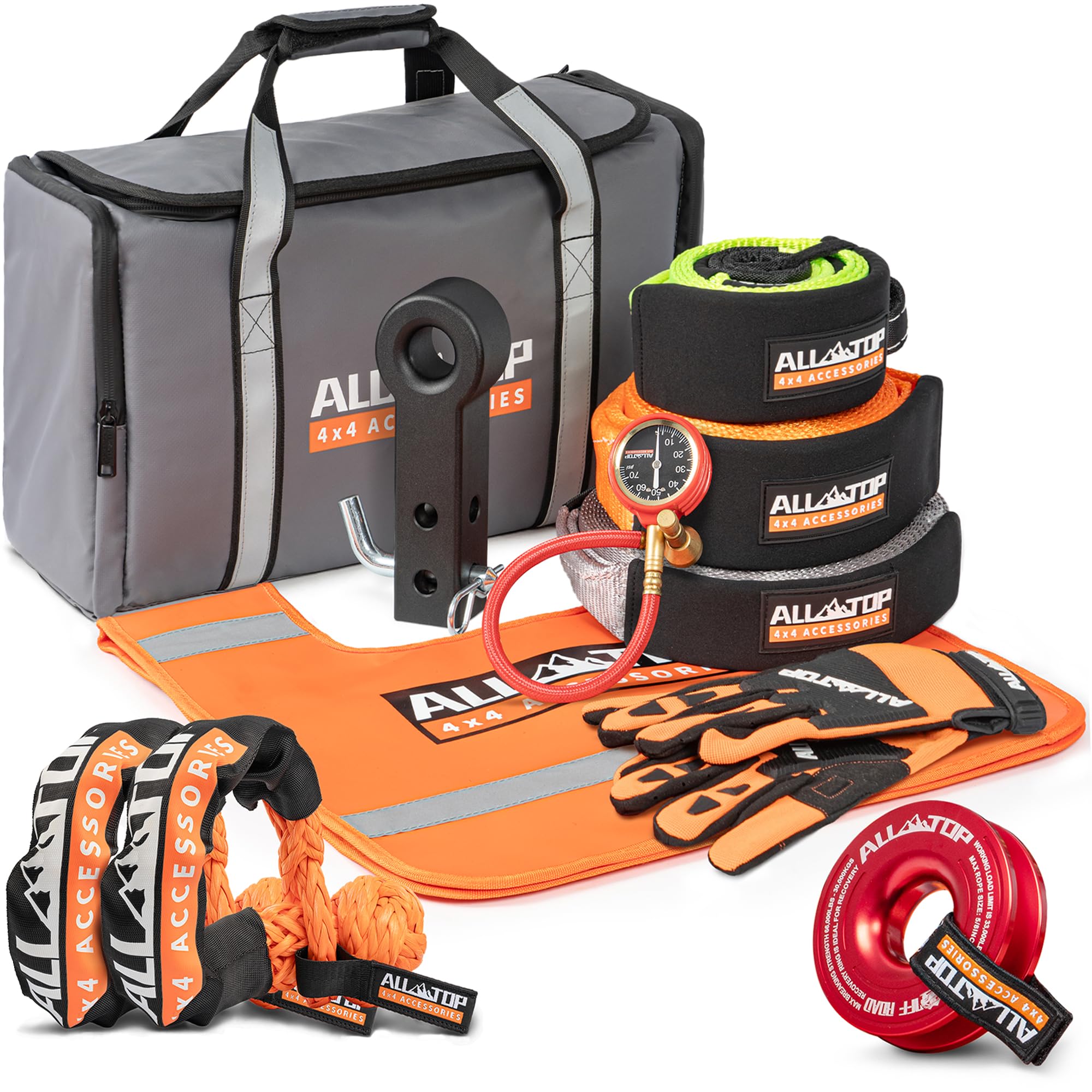
| #1 | |
ALL-TOP Recovery Pack Pro 11in1: Water-Resist Offroad Gear Bag with Recovery Strap Kit(3), Damper, 2 Soft Shackles, SS Hitch Mount, Recovery Ring, Deflator & Gloves |
$299.99 | (2) | Check Price on Amazon → |
| #2 | 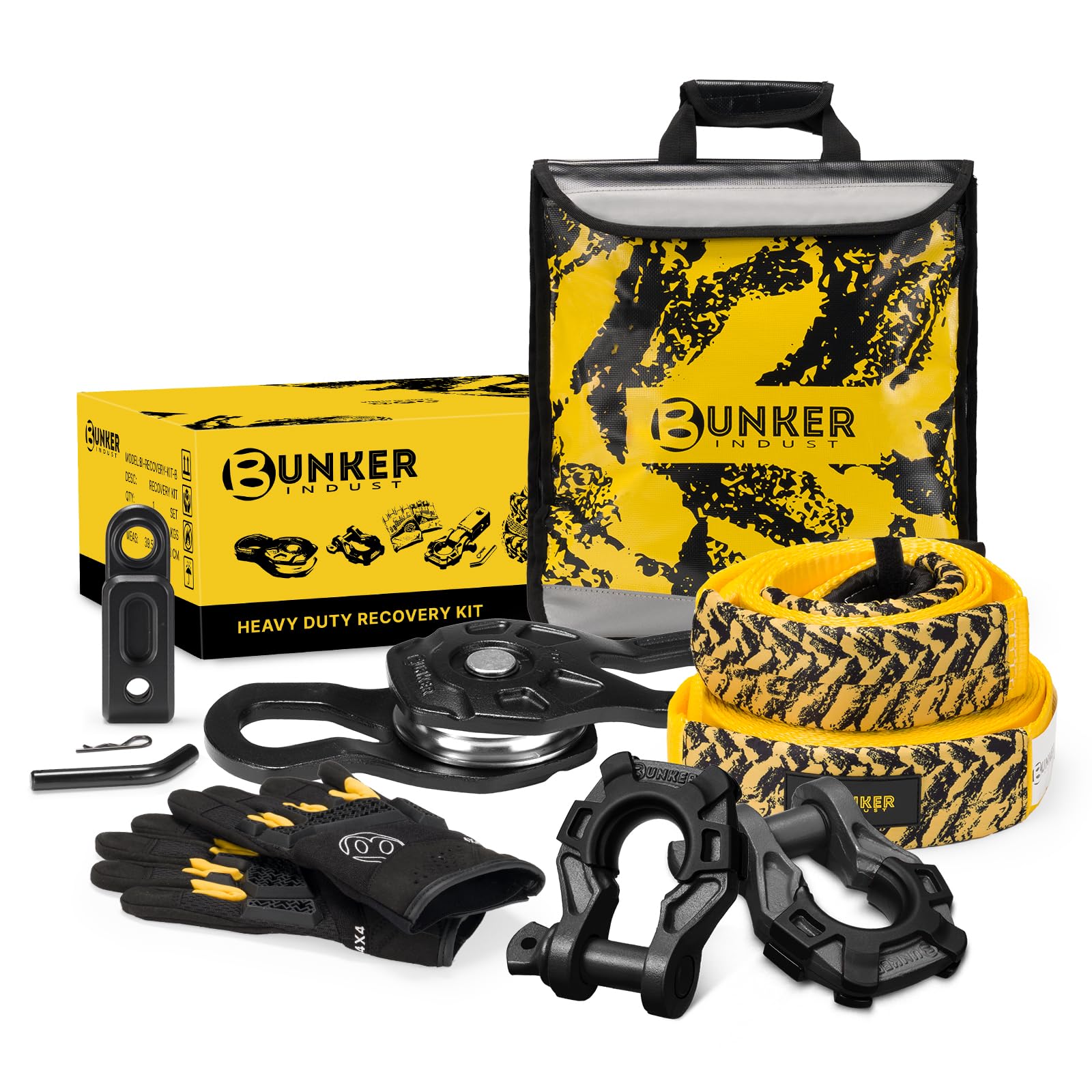 |
BUNKER INDUST Off Road Recovery Kit, Includes 30ft+10ft Tow Strap, Snatch Block, D-Ring Shackles, Shackle Receiver, Gloves, Winch Dampener Bag, 4x4 Recovery Gear for for Trucks, SUVs, ATVs |
$159.99 | (4) | Check Price on Amazon → |
| #3 | 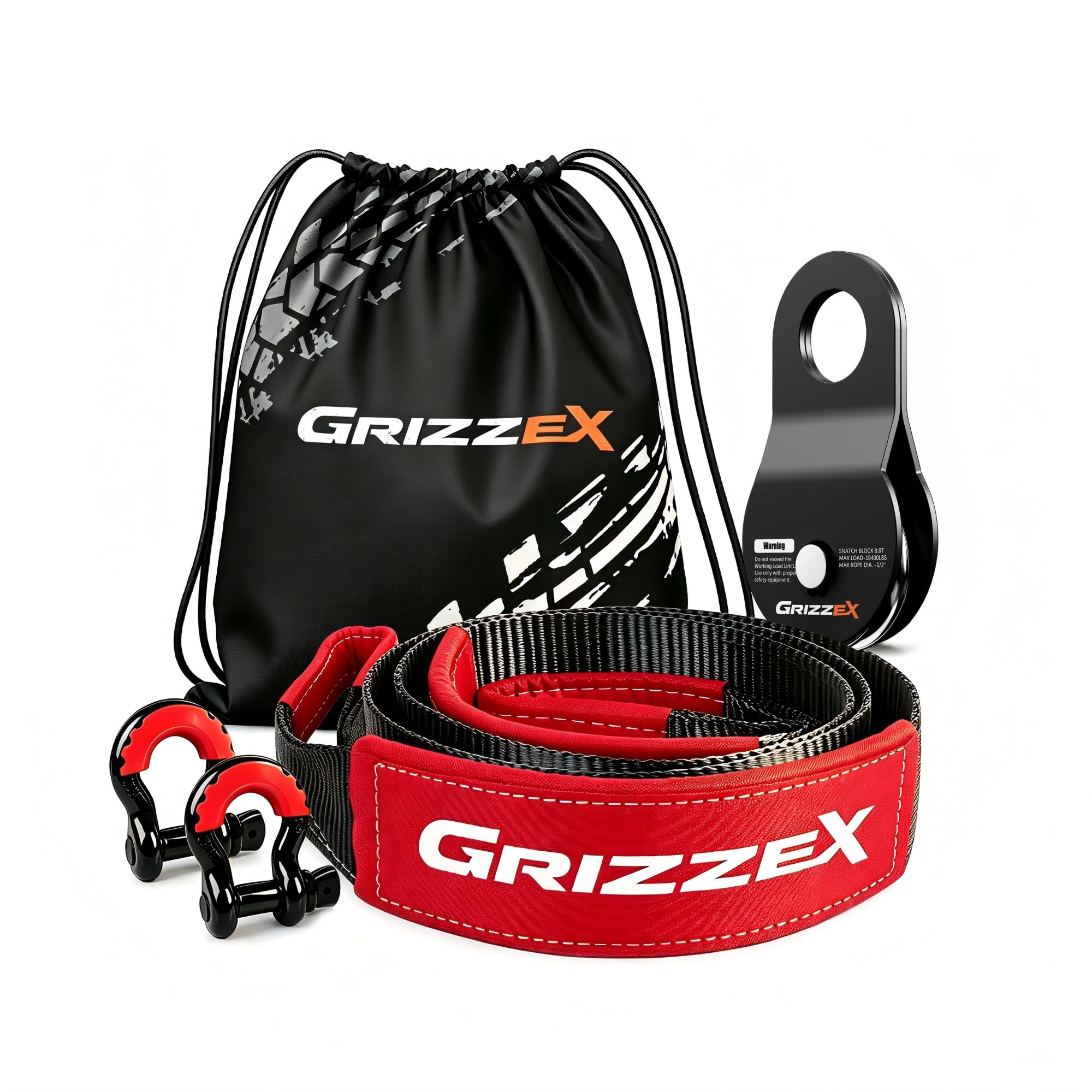 |
Off-Road Recovery Kit, 3" x 8' Tree Saver Strap, 8.8T Forged Snatch Block, 3/4" D-Ring Shackles 2 Pack, Storage Bag, Heavy Duty Recovery Gear for Jeep Truck SUV UTV ATV Trailer |
$39.90 | (8) | Check Price on Amazon → |
| #4 |  |
YATOINTO Off Road Recovery Kit 10 Ton Heavy Duty Snatch Block Pulley, Tree Saver Strap 3" x8' and 2pc D Ring Shackles 3/4" Recovery Winch Accessories for Car Truck SUV ATV |
$32.90 | (49) | Check Price on Amazon → |