Coal Heritage ATV Trail Guide: Mining Country Riding in WV

Ellen Kietzmann brings more than 25 years of senior leadership in the RV and outdoor recreation industry. She spent 22 years at Blue Ox — rising from Vice President of Sales & HR to President — where she grew the deal…
Why trust us
BestATVTrails trail guides are researched by riders with decades of powersports experience. Our lead researcher spent 30+ years in powersports retail and has ridden trails across a dozen US states. Every gear recommendation is sourced from real product research matched to specific terrain — not paid placements or generic affiliate lists.
Coal Heritage ATV Trail Guide: Mining Country Riding in WV
Gear for This Trail

Because Coal Heritage mixes hardpack mine roads, loose rock, dust, moderate grades, and changing weather, we recommend gear that emphasizes impact protection, eye comfort, navigation, and practical trail utility rather than deep-mud specialization.
| Gear Type | Brand | Product | Why It Suits Coal Heritage | Approx. Price |
|---|---|---|---|---|
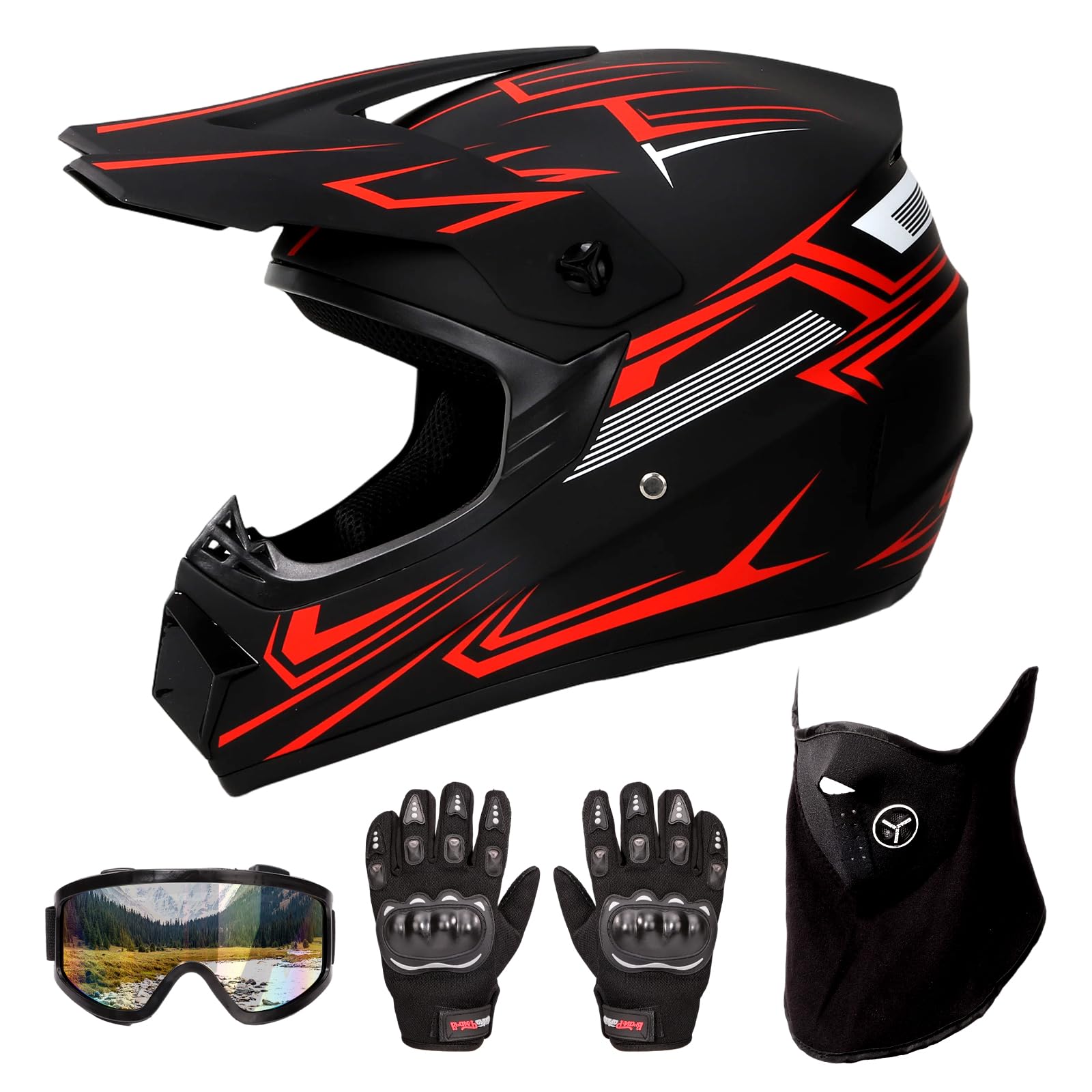 Helmet Helmet |
Bell | Qualifier Full-Face Helmet | Coal Heritage’s faster hardpack sections and loose gravel corners make a full-face helmet a smart choice. The Qualifier is widely available, DOT-rated, and well-suited for riders who want ventilation and solid face protection from dust and small rock roost. | $120-$180 |
| Gloves | Fox Racing | Dirtpaw Gloves | Reclaimed mine terrain can be rough on hands during longer rides. These gloves offer good grip on dusty bars, light knuckle protection, and enough durability for repeated braking and steering input on hardpack and rocky sections. | $25-$40 |
| Chest/Upper Body Protection | Alpinestars | Bionic Action Chest Protector | For riders venturing onto blue or black segments, this adds useful chest, shoulder, and back coverage without being overly bulky. It fits the mix of moderate speed, rocky surfaces, and occasional technical hill sections found on Coal Heritage. | $140-$190 |
| Terrain-Specific Navigation | Garmin | Tread Powersport Navigator | Coal Heritage connects through a larger riding region, and navigation matters when you are moving between open mine benches, wooded connectors, and town-access routes. A dedicated powersports GPS is more useful here than relying only on cell service. | $500-$700 |
| Recovery/Utility Item | Rhino USA | Recovery Tow Strap | Even though Coal Heritage is not the muddiest West Virginia system, rain can create slick ruts and soft spots. A quality tow strap is a practical choice for helping a partner on a climb or pulling a machine out of a muddy drainage area. | $30-$45 |
| Comfort/Storage Item | Kemimoto | Rear ATV Cargo Bag | This system is ideal for longer scenic loops, so extra storage helps. A weather-resistant cargo bag carries water, layers, snacks, tools, and permit paperwork without overloading the rider. | $70-$120 |
If we were prioritizing purchases specifically for this trail, we would start with the full-face helmet, gloves, and a reliable navigation setup. Coal Heritage’s open reclaimed terrain can make riders feel like the route is simple, but distance, dust, and multiple intersections still reward better planning.
Introduction
The Coal Heritage ATV trail West Virginia riders talk about most often is one of the more approachable ways to experience the Hatfield-McCoy network. Centered around the southern coalfields near Bramwell and Pocahontas, the Coal Heritage Trail System combines reclaimed mine land riding, broad hardpack routes, moderate grades, and long scenic looks across narrow valleys and forested ridges. For riders who want a system that feels distinctly West Virginia without demanding expert-level technical skill on every mile, this one stands out.
We researched Coal Heritage because it appeals to a wide range of ATV and side-by-side riders. Beginners like the generally wider trail corridors and smoother surfaces on many sections, while experienced riders appreciate the mileage, connectors, and access to historic coal country towns. The trail system also makes a strong basecamp for a weekend because lodging, fuel, food, and Hatfield-McCoy services are available in nearby communities. If you want mining-country scenery, practical trail access, and a ride that mixes easy cruising with optional challenge, Coal Heritage deserves a close look.
Trail Overview

The Coal Heritage Trail System is part of the Hatfield-McCoy Trails network in southern West Virginia. It is known for reclaimed mine terrain, broad bench-cut routes, and a mix of easier green trails with moderate blue sections and a smaller number of more difficult connectors.
Key trail stats
- Trail system: Coal Heritage Trail System
- Region: Southern West Virginia
- Nearest trail towns: Bramwell, Pocahontas, Bluefield area access points
- Approximate mileage: about 100+ miles of marked trails and connectors within the system, with access to additional Hatfield-McCoy riding opportunities depending on current connections and local rules
- Difficulty range: Green, Blue, Black, limited Double-Black style challenge depending on route conditions and spurs
- Elevation: variable mountain terrain, generally in the 2,000 to 3,500-foot range across reclaimed mine ridges and valley transitions
- Permit required: Yes — Hatfield-McCoy Trails permit required for all riders
- OHV registration/sticker: Your machine must meet Hatfield-McCoy operational requirements; out-of-state riders should verify current West Virginia and Hatfield-McCoy rules before arrival
- Best season: Spring through fall, with crisp visibility in late fall and variable mud in early spring after rain
- Typical ride style: scenic cruising, family-friendly loops, moderate climbs, mine-land exploration, town-access riding in approved communities
One reason riders choose Coal Heritage is that it balances mileage and accessibility. Compared with tighter, more technical systems, this one often feels more open, with room to settle into a steady pace and enjoy the landscape.
Trail Conditions & Terrain
Coal Heritage is shaped by the region’s mining history. Much of the riding crosses reclaimed mine land, which creates a distinct trail character compared with dense forest single-lane systems. Expect hardpack surfaces, gravelly mine-road sections, compacted dirt, and occasional loose rock scattered across turns, hill approaches, and drainage areas.
Many routes are relatively wide by West Virginia standards. On easier sections, we see broad bench roads and old haul-road style corridors that give riders more visibility ahead and a little more room for passing or regrouping. That makes the system attractive for newer riders and families, especially those on utility ATVs and side-by-sides.
That said, Coal Heritage is not flat or boring. The system still rides through Appalachian mountain country, so grades can shift quickly. Most climbs are moderate rather than extreme, but they can become more technical after rain. Hardpack turns slick, loose shale can move under tires, and runoff may carve ruts into trail edges. Blue and black segments may include steeper pitches, tighter switchbacks, exposed rock, shelf-like sections, and rougher transitions between reclaimed open ground and wooded trail.
Common terrain features include:
- Hard-packed dirt and gravel mine roads
- Moderate hill climbs and descents
- Embedded rock and loose stone on corners
- Drainage dips and water bars
- Mud pockets in low areas after storms
- Occasional ruts from runoff or traffic
- Scenic ridge and valley overlooks
- Some wooded connectors with narrower lines than the open mine sections
Riders should not expect constant creek crossings like on some eastern trail systems. Coal Heritage is more about elevation changes, mine benches, and open views than repeated water obstacles. Small wet spots, puddles, and runoff channels can still appear, especially in spring and after heavy rain, but water is usually not the defining challenge here.
Dust can also be a factor in dry weather. On reclaimed surfaces, particularly where traffic is steady, visibility drops quickly if groups ride too close together. We recommend spacing out more than you might on a tighter wooded trail.
The scenery is a major part of the ride. Because reclaimed mine land opens up the terrain, many sections provide wide valley views, exposed ridgelines, and a look at southern West Virginia’s layered mountains that you do not always get in heavily wooded systems. Add in nearby coal heritage towns and the route has a clear sense of place.
Difficulty & Who It's For
Coal Heritage works well for riders who want options. The easiest routes are among the more approachable Hatfield-McCoy miles for people building confidence, but the system still includes enough rougher terrain to keep intermediate riders interested.
Green: Beginner-Friendly
Best for: newer ATV riders, families, utility ATV riders, sightseeing-focused groups
Green trails here are often wider hardpack routes with gentler grades and fewer technical obstacles. They still require normal trail awareness, especially on hills and loose gravel corners, but they are generally manageable for riders with basic throttle and braking control. If someone is riding their first major West Virginia trail system, Coal Heritage’s green sections are a reasonable place to start.
Blue: Moderate
Best for: riders with some off-road experience who are comfortable on hills and uneven surfaces
Blue sections are where Coal Heritage becomes more distinctly Appalachian. Expect steeper climbs, rougher descents, some rockier lines, tighter turns, and changing traction. These trails suit riders who are comfortable choosing lines, shifting body position on climbs and descents, and handling occasional ruts or washouts.
Black: Advanced
Best for: experienced riders seeking steeper or rougher segments
Black trails in this region can change a lot with weather and maintenance cycles. What feels manageable in dry conditions may become slick and demanding after rain. Advanced riders should expect more committed hill work, rougher surfaces, and less margin for error.
Double-Black: Expert Only
Best for: highly skilled riders with strong machine control
Coal Heritage is not primarily known as a constant extreme-technical system, but isolated expert-level lines or conditions can push certain segments into double-black territory. We recommend these only for riders who know how to evaluate terrain in real time and turn around when needed.
Overall rating: For most riders, Coal Heritage rides like a Green-to-Blue system with optional Black challenge.
Permits & Access
Coal Heritage operates under the Hatfield-McCoy Trails permit system. Riders should expect to purchase a valid trail permit before riding.
Permit basics
- Permit required: Yes
- System: Hatfield-McCoy Trails permit
- Typical cost: generally around $26.50 for West Virginia residents and $50 for non-residents for an annual permit, though fees can change
- Where to buy: Hatfield-McCoy Trails official outlets, trailhead facilities, participating local vendors, and the official Hatfield-McCoy Trails website
- Reservations required: Not usually for trail access itself, but lodging, cabin rentals, and peak-season accommodations should be booked early
Parking and access
Coal Heritage riders commonly stage near Bramwell and other designated trail access points tied to the Hatfield-McCoy network. Parking availability and trailer space vary by trailhead and lodging property. Some local ATV-friendly cabins and campgrounds offer direct or near-direct access, which can simplify the trip.
OHV sticker and machine requirements
Hatfield-McCoy rules require machines to comply with their operational standards. Riders should verify current requirements for:
- Valid trail permit display
- Spark arrestor or exhaust compliance if applicable
- Helmet use and age-related safety rules
- Insurance or registration expectations where relevant
- Any local road-use rules for town connectors
Because some southern West Virginia communities are ATV-friendly, riders should still pay attention to local ordinances, speed limits, and approved connector routes. Not every road is open just because a town is trail-oriented.
Tips for Riding This System
- Start with green mine-road loops before branching onto blue connectors. Coal Heritage can look easy at first glance, but loose rock and hill transitions still catch newer riders off guard.
- Carry more water than you think you need. Open reclaimed terrain can feel warmer and more exposed than shaded forest systems, especially in summer.
- Watch your speed on descents. Hardpack and gravel can create a false sense of traction, and braking distances grow quickly on downhill corners.
- Space out your group in dry weather. Dust hangs in the air on mine roads and can hide ruts, drainage cuts, and stopped riders ahead.
- Check weather before committing to longer loops. Moderate grades can become slick after rain, and runoff can reshape trail surfaces faster than many riders expect.
- Use town stops strategically. Bramwell and nearby communities can make fuel and food easier to manage, so plan your day around legal access points rather than waiting until supplies are low.
- Download maps and carry a backup navigation option. Cell coverage may be inconsistent, and open terrain with multiple intersections can be more confusing than it appears.
FAQ
Is Coal Heritage a good Hatfield-McCoy system for beginners?
Yes, in many areas. Coal Heritage is one of the more beginner-friendly Hatfield-McCoy systems because it includes wider hardpack trails and moderate grades. Beginners should still stick to green routes first and avoid riding immediately after heavy rain.
How many miles of trail are on Coal Heritage?
The system offers roughly 100 or more miles of trails and connectors, though exact rideable mileage can change with updates, closures, and route changes. We recommend checking the latest Hatfield-McCoy map before your trip.
Do we need a permit for Coal Heritage?
Yes. All riders need a valid Hatfield-McCoy Trails permit. Non-residents typically pay more than West Virginia residents, and permits are usually available online and through local vendors.
Are there creek crossings or deep mud on this system?
Not usually as a defining feature. Coal Heritage is better known for reclaimed mine land, hardpack, gravel, moderate grades, and scenic overlooks. You may still encounter mud holes, runoff ruts, and wet spots after storms.
Can side-by-sides ride Coal Heritage?
Yes, many riders use side-by-sides on this system, especially because numerous sections are wider and more open. Always confirm current width rules, machine requirements, and access limitations with Hatfield-McCoy before arriving.
Get our best guides in your inbox
Final Take
Coal Heritage is a strong pick for riders who want a classic southern West Virginia experience without committing to a nonstop technical grind. The system’s reclaimed mine land gives it a unique feel: broad hardpack routes, moderate climbs, mining-country history, and scenic valley views that set it apart from tighter wooded trail networks.

From our research, its biggest strengths are accessibility, scenery, and versatility. Newer riders can find confidence on green routes, while intermediate riders still have enough blue terrain to keep the day interesting. Add in the Hatfield-McCoy infrastructure, nearby trail towns, and practical lodging options, and Coal Heritage becomes one of the easier West Virginia ATV trips to plan well.
If your goal is a ride that blends history, views, and manageable mountain terrain, Coal Heritage belongs high on the list for your next West Virginia weekend.
Top Picks & Comparison
| # | Product | Price | Rating | ||
|---|---|---|---|---|---|
| #1 | |
Peicees 13PCS Motorcycle Set, 5 Dirt Bike Ski Goggles UV Protection Dustproof Windproof Safety Glasses with 8 Skull Face Mask |
$27.99 | (361) | Check Price on Amazon → |
| #2 | |
Motocross Helmet, DOT Approved Dirt Bike Helmet for Off-Road Riding Trail Riding Endurance Racing |
$65.99 | (6) | Check Price on Amazon → |
| #3 |  |
Fly Racing Patrol Off-Road Gear Set - (Over the Boot) Pant and Jersey for MX, ATV and Off-Road Riding |
$224.89 | (2) | Check Price on Amazon → |