Hatfield-McCoy Trails: Complete ATV Riding Guide

Alana Azzouz is a Senior Editor at Searchshop Media Network with over a decade of experience in consumer content quality and editorial standards. She has reviewed thousands of product guides, buying articles, and comp…
Why trust us
BestATVTrails trail guides are researched by riders with decades of powersports experience. Our lead researcher spent 30+ years in powersports retail and has ridden trails across a dozen US states. Every gear recommendation is sourced from real product research matched to specific terrain — not paid placements or generic affiliate lists.

Hatfield-McCoy Trails: Complete ATV Riding Guide
Gear for This Trail

Because Hatfield-McCoy combines steep grades, rock, mud, changing weather, and long days in the saddle, we recommend gear that emphasizes impact protection, traction support, navigation, and self-recovery.
| Gear Type | Brand | Product | Why It Suits Hatfield-McCoy | Approx. Price |
|---|---|---|---|---|
| Helmet | Bell | Bell Qualifier Full-Face Helmet | A full-face helmet makes sense on Hatfield-McCoy’s dusty, muddy, and branch-lined mountain trails. The Qualifier is a widely available option with good ventilation and a face shield that helps during cold or wet rides. | $120-$180 |
| Gloves / Protection | Alpinestars | Alpinestars Full Bore Gloves | These gloves work well for long technical rides where grip and bar feel matter. They are a smart match for wet controls, rocky descents, and repeated shifting of body position on steep terrain. | $25-$40 |
| Chest / Upper Body Protection | Alpinestars | Alpinestars Bionic Action V2 Jacket | For riders planning black or double-black trails, upper-body protection is worth considering. This jacket-style protector suits wooded sections, rockier routes, and the possibility of low-speed impacts with bars, branches, or the ground. | $180-$250 |
| Terrain-Specific Recovery Item | Rhino USA | Rhino USA Recovery Tow Strap | Mud holes, creek approaches, and steep slick climbs make recovery gear a practical choice here. A quality tow strap is one of the simplest and most useful items to carry in a group ride. | $30-$50 |
| Navigation / Terrain-Specific Item | Garmin | Garmin Tread Powersport GPS | Cell service can be limited in parts of the Hatfield-McCoy region. A dedicated powersports GPS is valuable for navigating trail networks, intersections, and remote mountain sections more confidently. | $500-$700 |
| Comfort / Utility Item | Kolpin | Kolpin Matrix Seat Bag | A seat bag is useful for carrying permits, tools, snacks, water, and extra layers. On a trail system this large, having secure storage for all-day riding is a major convenience. | $70-$110 |
If your ATV does not already have a winch, that is another upgrade worth considering for riders who plan to spend time on black or double-black routes. A model such as the WARN VRX 45 powersports winch is commonly chosen for recovery in muddy, steep conditions.
Introduction
The Hatfield McCoy ATV trails are one of the most iconic off-road destinations in the country, drawing riders to southern West Virginia for steep mountain climbs, wooded ridge runs, coal-country history, and a huge network of connected riding opportunities. Spread across multiple trail systems and nearby trail towns, this destination gives ATV and side-by-side riders access to more than 800 miles of marked routes through the Appalachian Mountains.
Riders visit Hatfield-McCoy because it offers variety that is hard to match anywhere else in the East. We researched trail systems ranging from scenic green routes for newer riders to black and double-black sections with tight turns, deep mud, rock ledges, off-camber climbs, and technical creek crossings. Popular systems like Rockhouse, Devil Anse, Buffalo Mountain, Pocahontas, and Warrior each have their own personality, so a weekend trip can feel very different depending on where you start. Add in permit-based access, ATV-friendly lodging in trail towns, and year-round riding, and it is easy to see why this system stays on so many riders’ bucket lists.
Trail Overview

Hatfield-McCoy is not a single loop but a large managed trail network spread across several counties in southern West Virginia. Each system has its own trailhead, parking setup, and nearby town access.
Key stats
- Total trail mileage: 800+ miles across the full Hatfield-McCoy network
- Location: Southern West Virginia Appalachian region
- Difficulty range: Green, Blue, Black, and Double-Black trails
- Terrain: Forest roads, dirt, exposed rock, mud, creek crossings, steep mountain grades, shelf sections, and mine-area surfaces
- Elevation: Varies by system, with many routes climbing and descending Appalachian ridgelines in the roughly 1,000-3,000+ foot range
- Permit required: Yes, Hatfield-McCoy trail permit required for riders
- Best season: Spring through fall for the widest comfort range; winter is rideable but often muddy and slick
- Nearest trail towns: Gilbert, Man, Matewan, Williamson, Bramwell, Pinnacle Creek area, and other ATV-friendly communities depending on the system
Popular trail systems to know
- Rockhouse: One of the best-known systems, with a broad mix of trail ratings and direct access to the town of Man
- Devil Anse: Historic and scenic, with access near Matewan and trails that suit a range of riders
- Buffalo Mountain: A favorite for riders staying near Williamson; known for good variety and strong town access
- Pocahontas: Large and often recommended for riders who want lots of mileage and a broad spread of difficulty levels
- Warrior: More remote-feeling in places, with challenging mountain terrain
- Pinnacle Creek, Indian Ridge, and others: Additional systems expand the options significantly for repeat visitors
Trail Conditions & Terrain
Hatfield-McCoy terrain is classic Appalachian mountain riding. That means you should expect constant elevation change, narrow wooded corridors, loose climbs, wet spots that can linger after rain, and trail surfaces that change quickly from hard-packed dirt to embedded rock or slick mud.
On easier green and blue routes, riders will often see wider trail beds, gradual grades, and a mix of packed soil, small gravel, and occasional shallow water. These sections are usually the best fit for sightseeing, family rides, and getting comfortable with the system’s signage. Even then, this is still mountain country, so blind corners, runoff ruts, and steep drop-offs along the edge of the trail can appear without much warning.
The black and double-black routes are where Hatfield-McCoy earns its reputation. We found repeated mentions of steep switchback climbs, loose rock shelves, rooty hill sections under tree cover, and muddy low spots that can swallow momentum fast. Some trails include off-camber traverses where line choice matters, plus ledges or rock gardens that can upset a machine with poor ground clearance. In wet weather, traction changes dramatically. Clay-heavy mud and slick rock can make a moderate trail feel advanced in a hurry.
Creek crossings are part of the experience on several systems. Most are manageable when water levels are normal, but after storms they can become deeper, faster, and more technical than expected. Riders should also be prepared for puddled trail bottoms, standing water in ruts, and washouts on less sheltered sections.
Another defining feature is the mix of forest and former mining terrain. Some routes feel tight and enclosed under canopy, while others open up to ridges, exposed cuts, and broader mountain views. This constant variation is a big part of the system’s appeal, but it also means setup matters. Tires, skid protection, navigation, and weather-ready gear all make a bigger difference here than on flatter trail systems.
Difficulty & Who It's For
Hatfield-McCoy uses a color-coded difficulty system that is easy to understand once you arrive, but the real challenge level can still change with weather and trail choice.
Green Trails
Best for: Beginners, casual riders, families, and first-time visitors to the system
Green trails are the entry point. These are generally wider, less technical, and better maintained for easy progress. They still require attention because mountain riding naturally includes grades, loose spots, and occasional water crossings, but they are the best place to learn the trail signage and get comfortable with the terrain.
Blue Trails
Best for: Lower-intermediate to intermediate riders
Blue routes are a strong fit for riders with some trail experience who want more climbing, tighter turns, rougher surfaces, and moderate obstacles. Many visitors will spend most of their trip on blue trails because they offer the best balance of challenge and mileage.
Black Trails
Best for: Experienced ATV riders with good throttle control and line choice
Black trails can include steep ascents and descents, deeper mud, rough rock sections, and more technical trail width. These are not ideal for brand-new riders or heavily overloaded machines. If conditions are wet, black trails can ride much harder than their map rating suggests.
Double-Black Trails
Best for: Advanced riders with appropriate machines, recovery gear, and confidence in technical mountain terrain
Double-black sections are where we recommend being realistic about your skill level. Expect very steep grades, ledges, deep ruts, difficult mud, and obstacles that may require spotting or turning around if conditions are poor. These trails are best tackled with a group, a winch-equipped machine, and enough time to avoid rushing.
Permits & Access
All riders on the Hatfield-McCoy system need a valid trail permit. The trail authority sells permits directly, and they are typically available online, at trailheads, and through participating local outfitters or lodging partners.
Permit basics
- Permit required: Yes
- Resident permit: Commonly around $26.50
- Non-resident permit: Commonly around $50
- Duration: Annual permit structure is standard, but always verify current rates and terms before your trip
Because pricing and policies can change, we recommend checking the official Hatfield-McCoy Trails website before traveling.
Parking and trailheads
Parking varies by system. Larger systems such as Rockhouse, Devil Anse, Buffalo Mountain, and Pocahontas have established trailheads with staging areas, but capacity can fill during peak weekends and event periods. Some riders also stay at ATV-friendly lodging with direct trail access, which can be one of the easiest ways to avoid repeated trailering.
Reservations
- Trail reservations: Generally not required just to ride the system
- Lodging reservations: Strongly recommended, especially during spring, fall, holiday weekends, and major riding events
- Guided rentals/tours: Reserve in advance if you need machine rentals or guided rides
OHV registration / sticker requirements
West Virginia registration rules can vary depending on whether your machine is street legal, trailered, or operated on approved connector routes. In practice, the Hatfield-McCoy permit is the key requirement for trail access. If you plan to use town connectors or operate on any public roads where allowed, verify current state and local requirements for registration, insurance, and street-legal equipment.
Tips for Riding This System
Pick your trail system carefully before the trip. Hatfield-McCoy is huge, and the experience changes a lot between systems like Rockhouse, Buffalo Mountain, and Pocahontas. We recommend choosing your basecamp around the kind of riding you want most.
Treat rain as a difficulty multiplier. A blue trail in dry weather may feel much closer to black after a storm. If the forecast is wet, lower your ambition for the day and save the hardest routes for better traction.
Carry recovery basics even on moderate rides. A tow strap, tire repair kit, and compact tool roll are smart because mud holes, rock strikes, and punctures are common enough in this terrain.
Use a map or GPS even if trails are marked. The system is large, intersections add up quickly, and not every rider will have reliable cell service in the mountains.
Fuel and food planning matter. Depending on the system and your lodging, you may cover a lot of miles before returning to town. Start with a full tank and pack water and snacks.
Watch for mixed traffic and changing pace. You may encounter newer riders on green connectors and highly capable machines moving quickly on advanced sections. Ride predictably and stay right on blind corners.
Inspect your machine after each day. Hatfield-McCoy’s rock, mud, and water can loosen hardware, pack mud around brakes, and expose tire or CV boot damage. A quick evening check can save the next riding day.
FAQ
Do you need a permit to ride Hatfield-McCoy?
Yes. Riders need a valid Hatfield-McCoy trail permit to legally use the system. We recommend buying it before arrival or at an approved local vendor.
What is the best Hatfield-McCoy trail system for beginners?
Systems with a healthy mix of green and blue routes, such as Buffalo Mountain or parts of Pocahontas and Devil Anse, are often better starting points than jumping straight into more technical black-heavy riding.
Can you ride Hatfield-McCoy year-round?
Yes. The system is a year-round destination, but winter often brings mud, slick surfaces, and colder mountain conditions. Spring and fall are usually the most comfortable seasons for many riders.
Are creek crossings and mud common on Hatfield-McCoy trails?
Yes. Depending on the trail system and recent weather, riders should expect mud, wet ruts, and creek crossings. After heavy rain, those features can become significantly more difficult.
Get our best guides in your inbox
Final Thoughts
Hatfield-McCoy earns its reputation because it offers real variety at real scale. Few eastern riding destinations combine this much mileage, this many trail towns, and this broad a spread of difficulty levels. Whether you want scenic green connectors, all-day blue loops, or advanced black and double-black mountain challenges, the system delivers.
For most riders, the key to a great trip is planning. Choose the right trail system, buy permits ahead of time, pack recovery and navigation gear, and respect how quickly Appalachian conditions can change. If you do that, the Hatfield McCoy ATV trails can deliver one of the best multi-day riding experiences in the country.
Top Picks & Comparison
| # | Product | Price | Rating | ||
|---|---|---|---|---|---|
| #1 | |
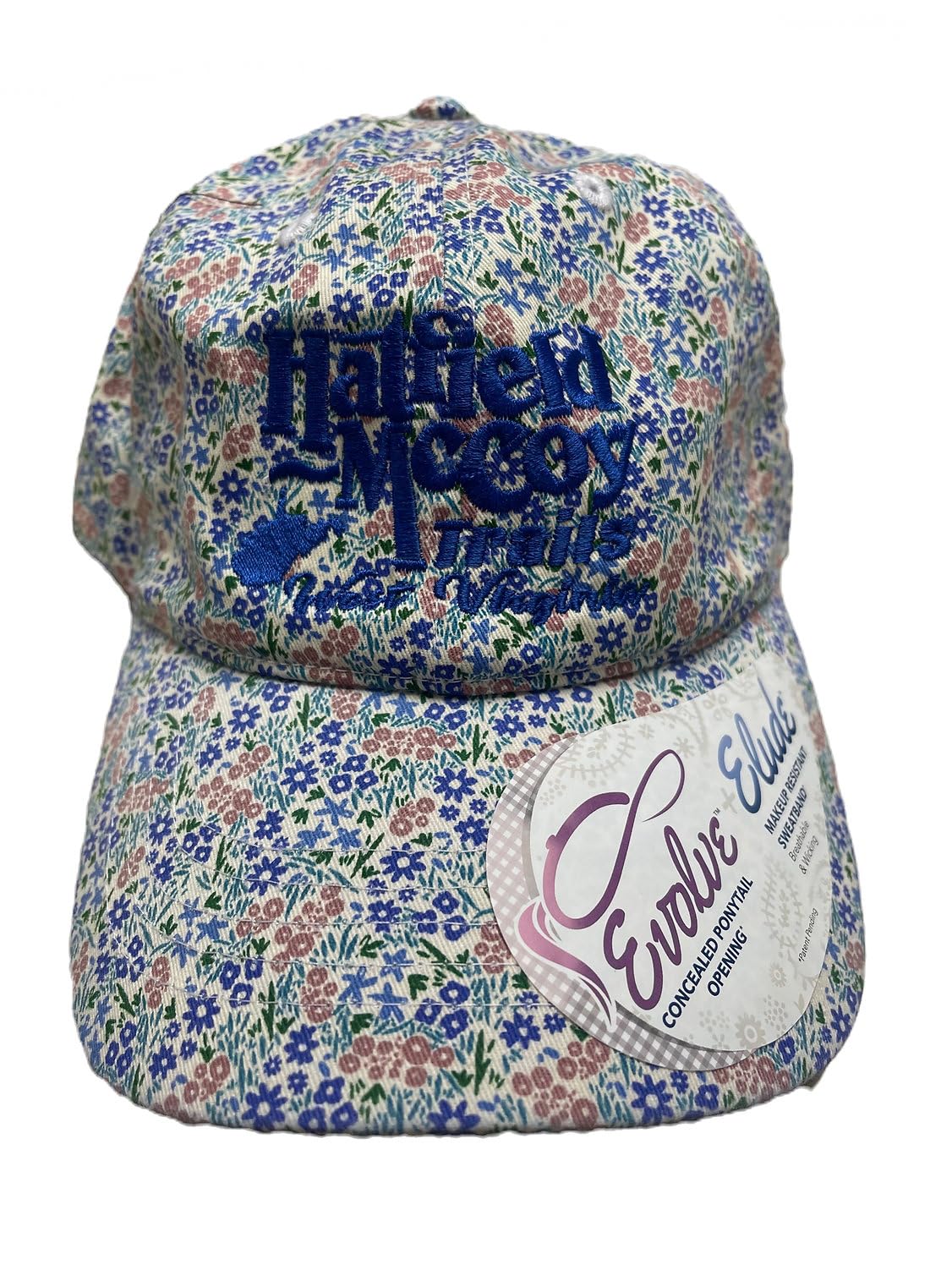
Hatfield-McCoy Trails West Virginia Mesh Trucker Hat, Ponytail Cap, Women's |
$30.00 | — | Check Price on Amazon → |
| #2 |  |
Tug Fork River Smallmouth Fishing Hatfield McCoy Trail Fans Comfort Colors Adult Sweatshirt |
$35.99 | — | Check Price on Amazon → |
| #3 | 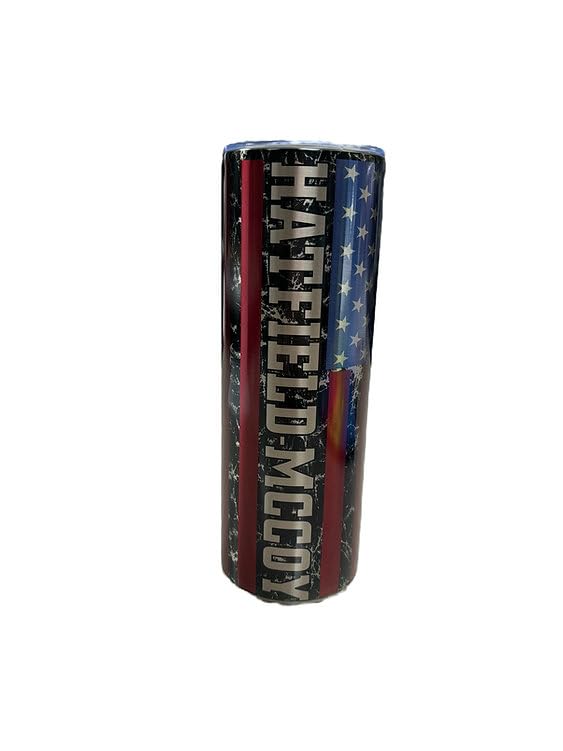 |
Hatfield-McCoy Trails Insulated Tumbler, 20 oz, Stainless Steel (Small, Storm Camo) |
$30.00 | — | Check Price on Amazon → |