How to Choose Your First ATV Trail: A Beginner's Guide

Salem Hassan founded Travelcamp RV and brings 30+ years of hands-on RV, marine, and powersports retail experience to every review.
Why trust us
BestATVTrails trail guides are researched by riders with decades of powersports experience. Our lead researcher spent 30+ years in powersports retail and has ridden trails across a dozen US states. Every gear recommendation is sourced from real product research matched to specific terrain — not paid placements or generic affiliate lists.

🛠 What you'll need
-
 Check Price on Amazon →Guide to Colorado Backroads & 4-Wheel-Drive Trails (FunTreks Guidebooks)$29.31★★★★★ (1,867)
 -
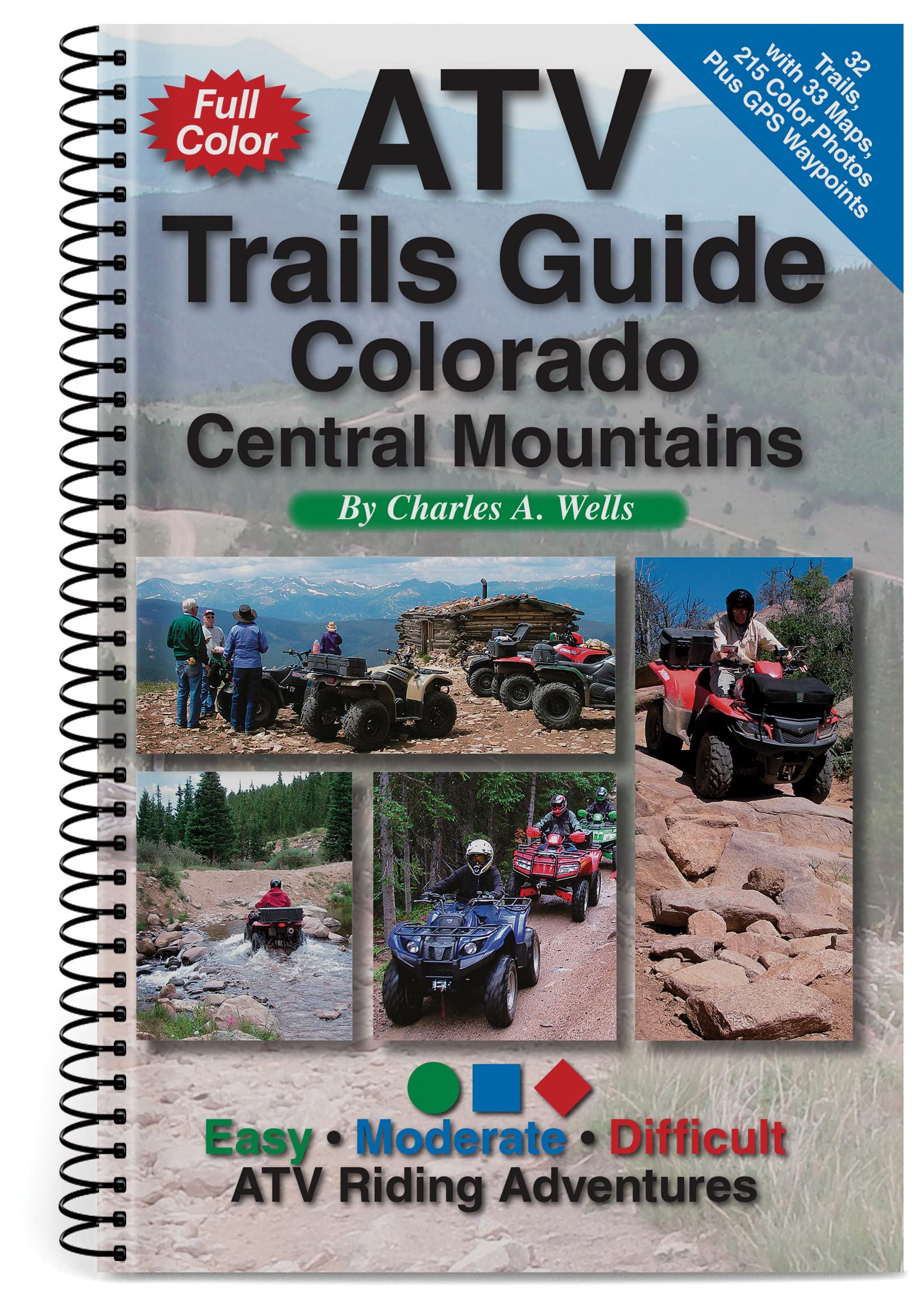 Check Price on Amazon →ATV Trails Guide Colorado Central Mountains★★★★★ (103)
How to Choose Your First ATV Trail: A Beginner's Guide
If you're wondering how to choose an ATV trail beginner riders can actually enjoy without getting in over their heads, the answer starts with honest planning. We recommend looking at trail difficulty, terrain type, distance, weather, and your ATV setup before you ever unload at the trailhead. A good first trail should build confidence, not force you into deep mud, steep climbs, or technical rock sections on day one.
At BestATVTrails, we researched what matters most for first-time riders and organized it into a simple step-by-step process. Below, we'll walk through how to pick the right trail, what gear to bring, and which beginner-friendly accessories can make your first ride smoother and safer.
Comparison Table: Beginner ATV Gear Picks

| Rank | Product | Category | Approx. Price | Best For |
|---|---|---|---|---|
| 1 | Bell Qualifier Helmet | Helmet | $120-$160 | Riders who need affordable head protection |
| 2 | Fox Racing Main Goggles | Goggles | $25-$40 | Clear vision and eye protection |
| 3 | Alpinestars Tech 3 Boots | Off-road boots | $180-$260 | Ankle support and trail protection |
| 4 | Tusk UTV/ATV First Aid Kit | Safety kit | $25-$45 | Basic emergency preparedness |
| 5 | Rhino USA Recovery Tow Strap | Recovery gear | $30-$45 | Getting unstuck on mild trails |
Why Your First Trail Choice Matters
Your first ride sets the tone for everything that comes after. Pick a trail that's too hard, too long, or too remote, and a fun day can turn stressful fast. Pick one that matches your current ability, and you'll learn basic line choice, throttle control, braking, and trail etiquette with far less pressure.
We recommend thinking of your first ATV trail as a practice environment. The goal is not to conquer the toughest route in the area. The goal is to finish the day feeling comfortable enough to ride again.
What You'll Need Before You Choose a Trail

Basic Gear and Materials List
Before choosing and riding your first trail, we recommend having:
- DOT-approved ATV helmet
- Goggles or eye protection
- Over-the-ankle boots
- Gloves
- Long sleeves and durable pants
- Trail map, app, or printed route info
- Fully fueled ATV in good mechanical condition
- Tire pressure gauge
- Water and snacks
- Small first-aid kit
- Phone or GPS device
- Basic tool kit
- Recovery strap or tow strap
Important Safety Notes
- Never choose a trail that exceeds your skill level just because other riders recommend it.
- Avoid riding alone on your first outing if possible.
- Check local rules for ATV access, permits, spark arrestor requirements, and seasonal closures.
- Do not assume a trail marked “easy” will be easy in rain, snow, or after heavy traffic.
- Tell someone where you're riding and when you expect to return.
How to Choose Your First ATV Trail: Step by Step
1. Be Honest About Your Skill Level
The first step is simple: rate yourself as a true beginner. If you have only ridden in a yard, field, or gravel lot, you are still a beginner for trail purposes. That is completely fine.
We recommend choosing trails labeled:
- Easy
- Green circle
- Family-friendly
- Scenic route
- Beginner loop
Avoid trails described as:
- Technical
- Advanced
- Black diamond
- Rock crawling
- Deep mud
- Hill climb heavy
What Beginner-Friendly Usually Looks Like
A solid first trail often includes:
- Wide paths
- Mild elevation changes
- Limited obstacles
- Good signage
- Nearby parking or access points
- Short loop options
2. Match the Trail to Your ATV Type
Not every ATV is equally suited to every terrain. A utility ATV with decent ground clearance may handle rougher paths better than a small-entry machine, but that doesn't mean the rider should jump into difficult terrain.
Consider:
- 2WD vs. 4WD: Beginners usually benefit from easier trails if riding 2WD.
- Tire condition: Worn tires reduce traction on loose dirt, wet roots, and mud.
- Ground clearance: Lower clearance means more risk on ruts and rocks.
- Fuel range: Longer trails require more planning than many beginners expect.
If your ATV is stock and you're new to riding, we recommend hard-packed dirt, gravel, and maintained forest routes over sand, mud bogs, or rock-ledged trails.
3. Learn the Trail Rating System in Your Area
Trail systems don't all use the same labels, but most offer some combination of easy, moderate, and difficult ratings. Read the trail description, not just the color marker.
Questions to Ask About Any Trail
- How long is the route?
- Is it a loop or out-and-back?
- Are there bailout points?
- What is the usual terrain?
- Are there steep climbs or descents?
- Is the trail narrow or exposed?
- Is it heavily trafficked on weekends?
We recommend starting with a loop under 15 miles if you're brand new. That gives you enough riding time to learn without turning the day into an endurance run.
4. Check Terrain and Seasonal Conditions
An easy trail in dry weather can become a difficult one after rain. Mud holes deepen, downhill braking gets trickier, and roots become slick. Seasonal changes matter just as much as trail ratings.
Terrain Types Beginners Should Usually Start With
- Packed dirt roads
- Gravel forest roads
- Smooth wooded loops
- Light rolling terrain
Terrain Types to Delay Until You Gain Experience
- Deep mud sections
- Loose rock gardens
- Steep switchbacks
- Sand dunes
- Water crossings
- Off-camber mountain trails
If trail reports are available online, read the most recent ones. We also recommend checking local ATV clubs, state trail pages, and rider forums before heading out.
5. Choose a Shorter Route Than You Think You Need
Beginners often overestimate how long they want to ride. Trail riding is more physically and mentally tiring than many first-time riders expect.
For a first outing, we recommend:
- A route under 2 hours of moving time
- Frequent stopping opportunities
- A clear trailhead and marked intersections
- Cell service if possible
- Easy return access to your truck or trailer
A shorter trail lets you focus on basics like body position, smooth throttle input, cornering, and reading terrain.
6. Research Rules, Access, and Amenities
Before you commit to a trail, confirm that:
- ATVs are allowed
- Your machine size is permitted
- Registration or permits are current
- Helmets are required or strongly recommended
- Parking is available for your trailer
- Restrooms or staging areas exist if needed
- The trail is open on your planned date
We recommend printing or saving this information offline. Some trail systems have poor reception right where you need directions most.
7. Ride With a More Experienced Partner If Possible
A beginner-friendly trail becomes even better when you ride with someone who knows basic trail etiquette and can help if you get stuck or nervous. That does not mean following an expert onto advanced terrain. It means choosing a conservative route and learning at your own pace.
Good Trail Partner Habits
- They stop at intersections
- They respect your comfort level
- They explain obstacles before you hit them
- They do not pressure you to go faster
- They carry tools and recovery gear
8. Do a Pre-Ride Check Before You Hit the Trail
Even the right trail can go wrong if your machine isn't ready.
Quick Pre-Ride Checklist
- Check tire pressure
- Inspect brakes
- Verify throttle returns smoothly
- Confirm lights work if needed
- Check oil and fuel level
- Look over chain or shaft area as applicable
- Secure cargo and gear
- Confirm your phone or GPS is charged
Beginner Gear and Accessory Picks for First Trail Rides
These are not mandatory for every ride, but they can make your first trail day safer and more comfortable. We researched beginner-friendly options that are commonly available on Amazon.
1. Bell Qualifier Helmet
A full-face helmet is one of the smartest upgrades for a beginner. The Bell Qualifier is a recognizable entry-level option with a solid reputation and a price that stays reasonable for new riders.
Pros
- Good value for the price
- Full-face coverage
- Widely available sizing
- Suitable for riders building a starter gear kit
Cons
- Heavier than some premium options
- Venting and noise control are not premium-level
Who It's For
We recommend it for beginners who want dependable protection without jumping straight to a high-end helmet budget.
2. Fox Racing Main Goggles
Dust, branches, bugs, and roost are all reasons not to skip eye protection. Fox Racing Main Goggles are a practical starter choice for riders who want a trusted powersports brand at a modest price.
Pros
- Affordable
- Comfortable fit for many riders
- Good visibility for casual trail use
- Easy to pair with common helmets
Cons
- Lens features vary by version
- Not as premium as higher-tier goggle models
Who It's For
These are ideal for new riders putting together a basic trail kit and wanting better eye protection than sunglasses can offer.
3. Alpinestars Tech 3 Boots
Boots matter more than many beginners realize. The Alpinestars Tech 3 gives you more ankle and shin protection than work boots, which is important when riding over roots, ruts, and uneven ground.
Pros
- Strong ankle support
- Better protection than casual boots
- Reputable off-road brand
- Good entry point into motocross-style footwear
Cons
- More expensive than casual alternatives
- Stiffer feel until broken in
Who It's For
We recommend these for riders who want real lower-leg protection and plan to ride trails regularly rather than just once or twice a year.
4. Tusk UTV/ATV First Aid Kit
A compact first-aid kit belongs on almost every trail ride. Tusk makes powersports-focused gear that fits well with beginner trail prep.
Pros
- Compact and easy to store
- Useful basic supplies
- Affordable add-on for safety
- Designed with off-road use in mind
Cons
- Limited compared with a full medical kit
- May need personalization for your needs
Who It's For
This is a smart pick for any beginner who wants a simple, trail-ready emergency kit without assembling one from scratch.
5. Rhino USA Recovery Tow Strap
Even on easy trails, getting lightly stuck is possible. A recovery strap is one of the easiest ways to prepare without overcomplicating your setup.
Pros
- Useful for mild recovery situations
- Affordable and versatile
- Easy to pack on many ATVs
- Helpful if riding with a partner
Cons
- Only useful when used correctly
- Not a substitute for a full winch setup
Who It's For
We recommend it for beginners riding with friends or family who want a basic recovery option before investing in more advanced gear.
Common Beginner Mistakes to Avoid
- Choosing a trail based on scenery alone
- Ignoring weather and trail reports
- Riding too far from the trailhead on the first trip
- Skipping boots and eye protection
- Following experienced riders onto harder sections
- Assuming GPS or phone service will always work
Final Thoughts
When deciding how to choose your first ATV trail, the best approach is to stay conservative. We recommend starting with a short, easy, well-marked route on suitable terrain, then building up as your confidence grows. The right first trail should teach you the basics, leave room for mistakes, and make you excited for the next ride.
If you're between two trail options, choose the easier one. You can always ride something tougher later, but a calm and successful first experience is what keeps most beginners coming back.
FAQ
What is the best ATV trail for a beginner?
The best beginner ATV trail is usually a short, easy-rated loop with wide paths, mild elevation, clear signage, and minimal obstacles.
How many miles should a beginner ride on their first ATV trail?
We recommend starting with a route under 15 miles or around 1-2 hours of moving time, depending on terrain and comfort level.
Should beginners avoid mud trails?
Yes, in most cases. Deep mud adds traction problems, fatigue, and recovery risk that can overwhelm a first-time rider.
Is it okay to ride alone on your first ATV trail?
It is better not to. Riding with a responsible partner adds safety, navigation help, and support if something goes wrong.
What gear is most important for a first ATV trail ride?
The essentials are a helmet, goggles, gloves, over-the-ankle boots, long sleeves, water, a first-aid kit, and a way to navigate or communicate.
Get our best guides in your inbox