What to Expect on Your First ATV Trail Ride

Alana Azzouz is a Senior Editor at Searchshop Media Network with over a decade of experience in consumer content quality and editorial standards. She has reviewed thousands of product guides, buying articles, and comp…
Why trust us
BestATVTrails trail guides are researched by riders with decades of powersports experience. Our lead researcher spent 30+ years in powersports retail and has ridden trails across a dozen US states. Every gear recommendation is sourced from real product research matched to specific terrain — not paid placements or generic affiliate lists.

What to Expect on Your First ATV Trail Ride
Gear for This Trail

For a beginner-oriented forest and mountain trail system, we recommend gear that improves protection, visibility, navigation, and comfort rather than extreme race-focused equipment. The products below are widely known, practical for first-time riders, and well matched to mixed dirt, gravel, mud, and changing weather.
| Gear Type | Brand | Product | Why It Suits This Trail | Approx. Price |
|---|---|---|---|---|
| Helmet | Bell | Bell Qualifier Full-Face Helmet | A full-face helmet makes sense for wooded trail systems where branches, dust, and roost are common. The Qualifier offers strong coverage and good ventilation for long beginner rides. | $120-$180 |
| Gloves | Fox Racing | Fox Racing Dirtpaw Gloves | These gloves provide grip for muddy controls, light knuckle protection, and enough flexibility for new riders who are still getting used to throttle and brake feel. | $25-$40 |
| Chest/Upper Body Protection | Alpinestars | Alpinestars Bionic Action Chest Protector | On rocky, rutted trails, a chest protector adds confidence and impact protection without feeling as bulky as full motocross armor. Good for riders learning body position in uneven terrain. | $130-$180 |
| Terrain-Specific Navigation Item | Garmin | Garmin Tread Powersport Navigator | Signed trail systems are easier to follow with dedicated off-road GPS, especially where intersections stack up quickly. It helps beginners stay on legal routes and track their way back to staging. | $500-$700 |
| Recovery/Utility Item | Rhino USA | Rhino USA Tow Strap Recovery Kit | Even easier trails can turn slick after rain. A recovery strap is a smart first-ride item if you are riding with a partner and encounter mud, a rut hang-up, or a disabled machine. | $30-$50 |
| Comfort/Utility Item | CamelBak | CamelBak M.U.L.E. Hydration Pack | New riders often underestimate how tiring trail riding is. A hydration pack keeps water, snacks, phone, and basic supplies on your body instead of loose on the ATV. | $100-$140 |
A few quick notes on gear priorities: if your budget is limited, we recommend putting the most money into a quality helmet, then gloves, eye protection if your helmet setup needs it, and hydration. Navigation and recovery gear become especially valuable once you move beyond short beginner loops.
Introduction
If you are searching for first ATV trail ride tips, the biggest thing to know is that your first day on the trail is usually less about speed and more about preparation, awareness, and choosing the right beginner-friendly riding area. For this guide, we are using a typical entry-level OHV trail system as the model: a managed public trail network with marked loops, mixed terrain, staging parking, and a combination of easy green routes and moderate blue connectors. That is the kind of place most new riders should seek out first.
Riders visit these systems because they offer a controlled way to learn real trail skills without jumping straight into extreme mud parks, deep rock gardens, or highly technical mountain routes. A good beginner trail system gives you space to practice throttle control, braking, cornering, and line choice while still delivering the fun that makes ATV riding addictive: wooded single-track views, open utility roads, rolling hills, shallow water crossings, and a full day outdoors. With the right gear, a legal machine, and a realistic plan, your first ride can be safe, memorable, and confidence-building.
Trail Overview

For a first ride, we recommend looking for a managed public OHV system similar to Hatfield-McCoy Trails' Pinnacle Creek Trail System near Pineville, West Virginia, or another beginner-accessible network with signed routes and support services nearby. Pinnacle Creek is a strong example because it mixes approachable terrain with enough variety to teach new riders what trail riding really feels like.
Key stats for a beginner-friendly system like Pinnacle Creek:
- Total miles: About 100 miles of trails in the system
- Difficulty range: Green, Blue, Black, and some more technical sections
- Elevation: Roughly 1,600 to 3,000 feet depending on route
- Permit requirements: Trail permit required through the Hatfield-McCoy Trails system
- Best season: Spring and fall for cooler temperatures and manageable trail traffic; summer is popular but dusty; winter can be slick
- Nearest town: Pineville, West Virginia
Why use a system like this as the model for a first ride? Because it has signed intersections, mapped routes, food and fuel access nearby, and enough beginner terrain that you can avoid the most difficult sections while still gaining real off-road experience.
Trail Conditions & Terrain
On a first ATV trail ride, expect more variety than most beginners imagine. Even on easier green trails, the surface can change quickly within a mile. A typical beginner-friendly trail system includes packed dirt, loose gravel, shallow ruts, exposed roots, small embedded rocks, puddles, and occasional mud holes. Wider main routes often feel more forgiving, while narrower connectors can require sharper steering and better line choice.
In a system like Pinnacle Creek, lower and mid-level trails often include hard-packed forest roads and shelf-style mountain paths with moderate grades. These are ideal for learning how your ATV reacts when climbing, descending, and braking on uneven surfaces. In wet weather, traction changes fast. A trail that feels smooth and simple in dry conditions can become slick with clay, leaf cover, or standing water after rain.
Creek crossings on beginner systems are usually shallow, but they still matter. The entry and exit points may be rockier than the water itself, and that is where new riders can get bounced off line. Small washouts, rain ruts, and off-camber corners are also common. None of these are necessarily advanced obstacles, but they are exactly the kind of terrain that teaches body positioning and controlled throttle use.
Dust is another factor many first-timers underestimate. In summer, heavily used sections can get dry and loose, reducing visibility when riding behind other machines. In cooler months, traction may improve, but damp leaves, slick roots, and morning frost can make easier trails feel more technical.
The biggest takeaway: your first trail system should not be judged only by its map mileage. What matters more is whether it has clearly marked easy routes, bailout points, and predictable terrain progression so you can build confidence without getting trapped in terrain above your skill level.
Difficulty & Who It's For
Most established OHV systems use a color-coded difficulty scale. For first-time riders, understanding that scale is one of the most important safety steps.
Green: Beginner
Best for: First-time riders, families, youth riders on age-appropriate machines, and adults returning to riding after a long break.
Green trails are generally wider, less steep, and more forgiving. You may still encounter mud, rocks, and ruts, but obstacles are usually smaller and easier to see in advance. If this is your first outing, we recommend spending most of your day on green routes.
Blue: Intermediate
Best for: Riders who are comfortable standing on the pegs, choosing lines, and managing moderate climbs or rougher surfaces.
Blue trails often add steeper grades, tighter turns, deeper ruts, and more technical rock or mud sections. A confident beginner may sample a short blue connector later in the day, but only after getting comfortable on green trails.
Black: Advanced
Best for: Experienced riders with solid trail judgment and recovery skills.
Black trails can include steep climbs, ledges, deep mud, larger rocks, and narrow shelf sections. These are not ideal for a first ride, especially if you are still learning how your ATV handles braking downhill or traction loss.
Double-Black: Expert
Best for: Highly experienced riders on properly equipped machines.
Double-black terrain may include severe grades, highly technical obstacles, and recovery situations where a winch or riding partner becomes important. We strongly recommend avoiding these sections entirely on your first trip.
For a true first ride, the smart plan is simple: stay on Green, use Blue only if conditions are dry and you feel fully in control, and skip Black and Double-Black altogether.
Permits & Access
Permit and access rules vary by state and trail operator, but a managed system like Hatfield-McCoy gives a useful example of what first-time riders should expect.
At Pinnacle Creek Trail System, riders typically stage from designated parking and access points near Pineville. There are local trailhead parking areas, and nearby towns often support riders with fuel, food, lodging, and repair services.
Here is what to check before any first ride:
- Trail permit cost: Hatfield-McCoy requires a valid trail permit. Pricing can change, but expect daily or annual permit options depending on the system's current structure.
- Reservation requirements: Most public trail systems do not require a timed trail reservation, but lodging near major riding destinations may book up early in peak spring and fall weekends.
- OHV sticker requirements: Your state may require an OHV registration, trail decal, or nonresident permit in addition to the trail system pass.
- Street-legal rules: Some trail towns allow direct access from approved lodging or connectors, but that does not mean every ATV is street legal everywhere. Check local ordinances.
- Parking: Use only official staging areas. Many trail systems prohibit roadside unloading or unauthorized parking.
Before leaving home, we recommend checking four things on the official website or with the local ranger district or trail authority: current permit prices, machine width limits, seasonal closures, and weather-related trail conditions.
Tips for Riding This System
1. Start with the shortest green loop first
Do not begin with an all-day route. A short green loop lets you get used to steering effort, braking distance, and how your ATV reacts on loose surfaces before you commit to a longer ride.
2. Lower your speed more than you think you need to
On pavement, speed can feel smooth and predictable. On dirt, even a small rut or hidden rock can change your line. Riding slower gives you time to read terrain and react calmly.
3. Stand up through rough sections when appropriate
On washboard, shallow ruts, or rocky patches, standing slightly on the pegs helps your ATV move underneath you and improves control. New riders often stay seated too long and get bounced around.
4. Leave extra space between machines
Dust, mud spray, and sudden braking are common on public trails. More following distance means better visibility and more time to react if the rider ahead stops at a water crossing or obstacle.
5. Check fuel range before you leave staging
A beginner trail system can still cover serious mileage. If your machine has a smaller tank, know your realistic range and top off before heading into longer loops.
6. Ride around puddles only when the trail allows it
Many beginners try to bypass every puddle by widening the trail edge. That damages the trail and can put you into softer ground than the puddle itself. Stay on the legal route and choose the safest line.
7. Turn back early if fatigue sets in
Your first trail ride uses more energy than expected. If your hands, shoulders, or focus start fading, head back before mistakes pile up. Good trail judgment is part of riding skill.
FAQ
Is a beginner-friendly trail system like Pinnacle Creek good for a first ATV ride?
Yes, if you stay on marked green trails and go in good weather. Systems with signed routes, nearby services, and mixed difficulty are better for learning than isolated or highly technical riding areas.
What should we bring on a first ATV trail ride besides safety gear?
We recommend water, snacks, a paper or digital trail map, phone, basic tool kit, tire repair items if possible, registration documents, permit confirmation, and a small first-aid kit.
Do we need a winch for a first ride?
Not necessarily. On easier trails in dry conditions, many beginners ride without one. But a recovery strap and a riding partner are smart, especially if rain is in the forecast or the system includes muddy sections.
Can kids ride on these trail systems?
Often yes, but age rules, machine size limits, and supervision requirements vary by trail authority and state law. Always verify the specific operator's youth regulations before your trip.
Get our best guides in your inbox
Final Thoughts
A first ATV trail ride should be about learning the rhythm of the trail, not proving anything. The best beginner systems offer enough mileage and scenery to keep the day exciting, but the real value is structure: marked routes, manageable green terrain, and legal access points that reduce guesswork. If you focus on beginner safety essentials, basic protective gear, and what to bring on a first trail ride, you will set yourself up for a much smoother day.

At BestATVTrails, we recommend choosing a managed trail system, checking permits in advance, riding below your comfort limit, and packing more water and safety gear than you think you need. That approach may feel cautious, but it is exactly how most riders build confidence and end the day wanting to go back out again.
Top Picks & Comparison
| # | Product | Price | Rating | ||
|---|---|---|---|---|---|
| #1 | |
Guide to Colorado Backroads & 4-Wheel-Drive Trails (FunTreks Guidebooks) |
$29.31 | (1,867) | Check Price on Amazon → |
| #2 | 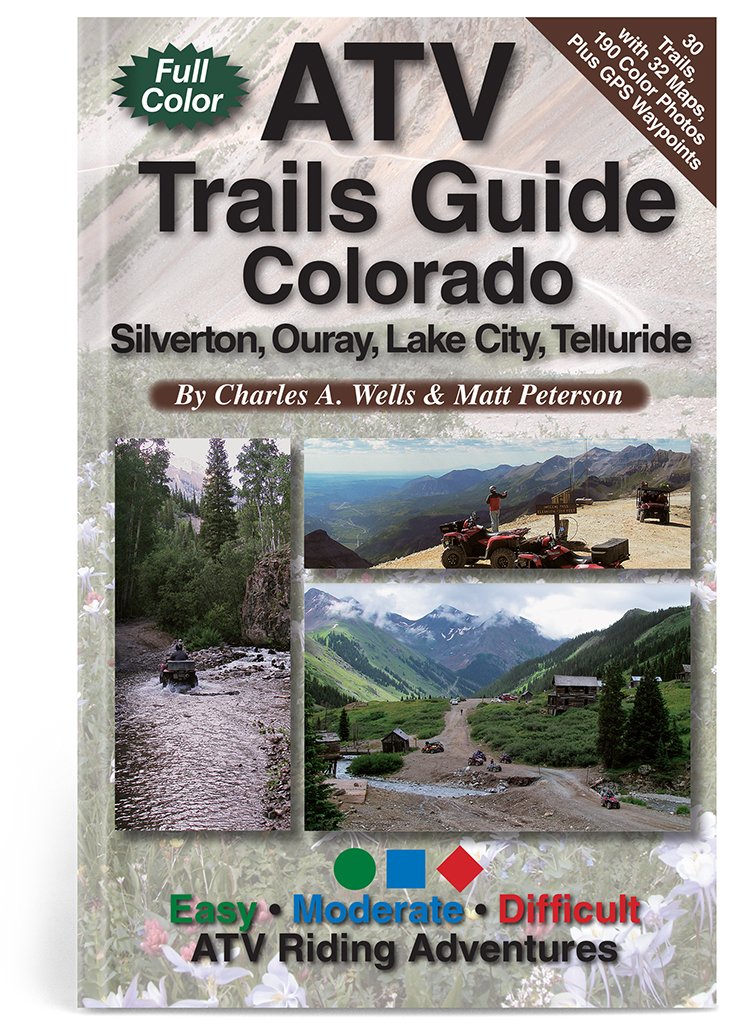 |
ATV Trails Guide Colorado Silverton, Ouray, Lake City, Telluride |
— | (122) | Check Price on Amazon → |