Santa Fe National Forest OHV Trail Guide

Ellen Kietzmann brings more than 25 years of senior leadership in the RV and outdoor recreation industry. She spent 22 years at Blue Ox — rising from Vice President of Sales & HR to President — where she grew the deal…
Why trust us
BestATVTrails trail guides are researched by riders with decades of powersports experience. Our lead researcher spent 30+ years in powersports retail and has ridden trails across a dozen US states. Every gear recommendation is sourced from real product research matched to specific terrain — not paid placements or generic affiliate lists.

Santa Fe National Forest OHV Trail Guide
Gear for This Trail

Because Santa Fe National Forest combines altitude, rock, changing weather, and remote navigation, we recommend gear that protects against impacts, helps with route-finding, and adds self-sufficiency.
| Gear Type | Brand | Product | Why it suits this trail | Approx. Price |
|---|---|---|---|---|
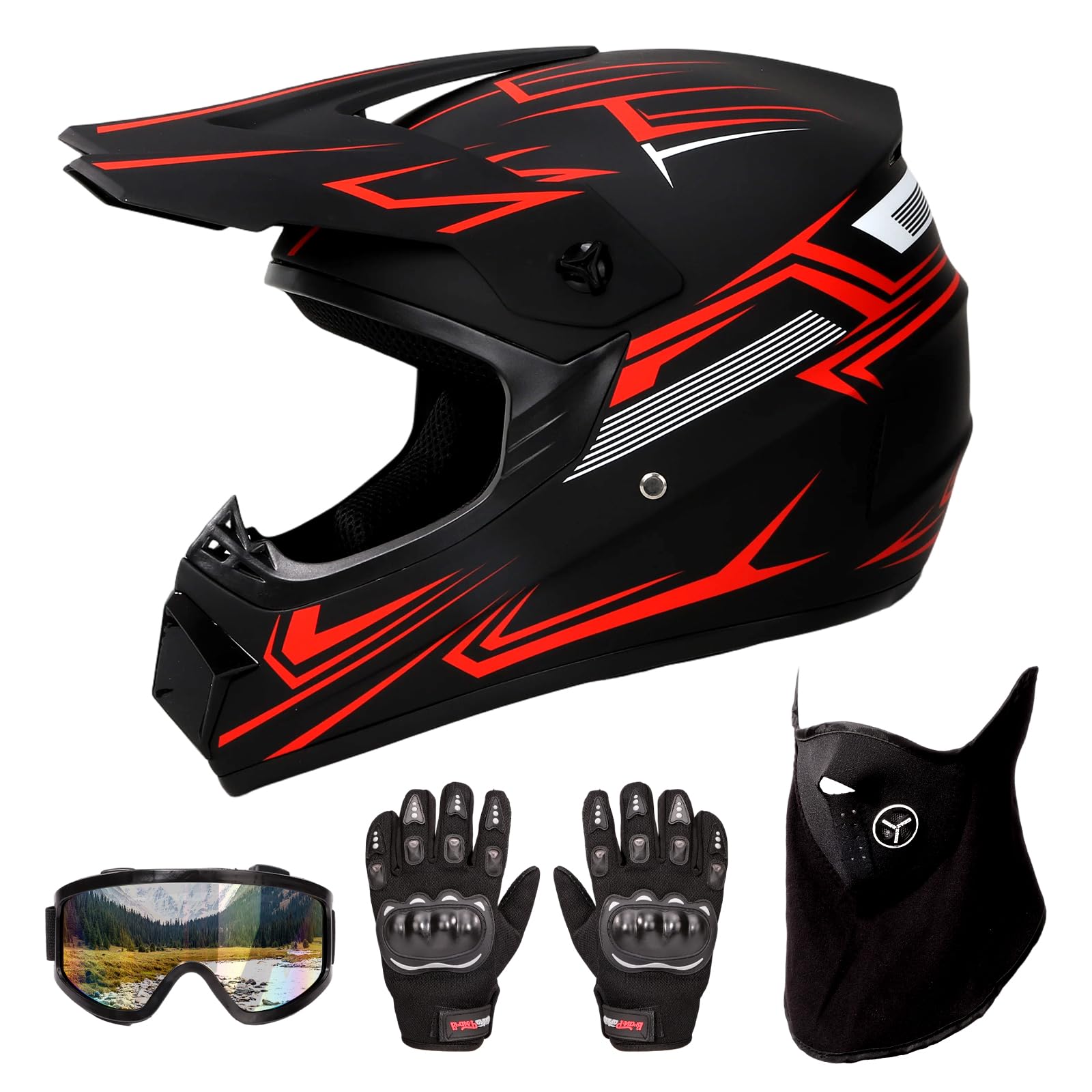 Helmet Helmet |
Bell | Qualifier DLX MIPS | A full-face helmet makes sense on rocky, high-speed forest-road connectors and technical climbs where branches and roost are common. The MIPS version adds rotational-impact protection, and the shield helps in cool mornings and dusty sections. | $230-$320 |
| Protective gear | Alpinestars | Bionic Action V2 Chest Protector | Technical rocky trails and unexpected washouts make upper-body protection worth packing, especially for sport ATV riders and anyone riding aggressively on narrower routes. This model offers solid coverage without feeling overly bulky. | $140-$190 |
| Gloves | Fox Racing | Dirtpaw Gloves | On long mountain rides, riders need grip and hand protection for brush, cold starts, and vibration. These are a practical match for rocky terrain where bar feedback and branch contact are common. | $25-$40 |
| Terrain-specific item | Garmin | Tread Powersport Off-Road Navigator | This forest has multiple numbered roads, junctions, and district boundaries, so a dedicated GPS is one of the smartest upgrades for this destination. The Tread line is built for powersports use and is far better suited than relying only on phone service. | $500-$700 |
| Recovery item | Rhino USA | Tow Strap Recovery Kit | Loose rock, mud pockets, and washouts can stop even experienced riders. A compact recovery strap kit is useful for group rides where one machine needs a tug on steep or slick sections. | $35-$60 |
| Comfort/utility item | Kemimoto | UTV Roof Bag / Overhead Storage Bag | Weather changes fast at elevation, so carrying layers, snacks, tools, and a first-aid kit matters. An overhead storage bag keeps essentials organized and easy to reach on long forest loops. | $40-$70 |
If you ride a larger ATV with vulnerable underbody components, a model-specific skid plate upgrade is also worth considering for this forest. Rocky ledges and hidden embedded stone can punish stock protection.
Introduction
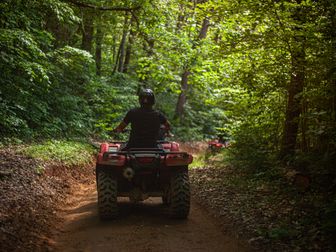
Santa Fe National Forest OHV trails draw riders who want cooler mountain temperatures, big views, and a more technical style of backcountry riding than many desert systems in New Mexico. Spread across a huge forest north and west of Santa Fe, this network includes rocky forest roads, narrow two-track, shelfy climbs, and high-country routes that can push toward 12,000 feet depending on snowpack and seasonal access. Riders come here for the mix of scenery and challenge: ponderosa and aspen forests, long ridgelines, creek-fed drainages, and remote trailheads that feel far removed from town.
We researched this area as a destination for ATV and side-by-side riders looking for legitimate mountain terrain rather than fast, flat cruising. The forest includes popular OHV access around Cuba, the Jemez Ranger District, and the Coyote area, with routes that connect to numbered Forest Roads and designated motorized trails. For riders who enjoy rocky ledges, loose climbs, changing weather, and route planning, Santa Fe National Forest delivers one of the stronger high-elevation OHV experiences in the state.
Trail Overview

Santa Fe National Forest is not a single closed-loop park; it is a large public-land riding area with multiple designated motorized routes spread across ranger districts. Mileage and access vary by district and current Motor Vehicle Use Map updates, so trip planning matters.
Key stats
- Total rideable mileage: Roughly 200+ miles of OHV-suitable motorized routes across commonly used areas when combining designated roads and trails; exact legal mileage depends on district and seasonal openings
- Difficulty range: Green to Black, with some routes feeling close to Double-Black in wet, rocky, or high-clearance sections
- Elevation: Approximately 7,000 to nearly 12,000 feet on higher routes and passes
- Permit requirement: No general trail permit fee for most forest routes, but vehicles must meet New Mexico OHV registration or permit requirements where applicable
- Best season: Late June through October in most high-country zones; lower elevations can open earlier, while snow can block upper routes into summer
- Nearest towns: Cuba, Jemez Springs, Coyote, Española, and Santa Fe depending on entry point
- Managing agency: U.S. Forest Service, Santa Fe National Forest
Commonly referenced riding access includes Forest Roads and motorized routes near Cuba and the San Pedro Parks periphery, the Jemez Ranger District, and routes tied to areas such as FR 103, FR 144, FR 376, and connecting numbered roads where motorized travel is designated. Always confirm legality on the current Motor Vehicle Use Map (MVUM) for the district you plan to ride.
Trail Conditions & Terrain
The defining trait of this forest is elevation. Even in summer, mornings can be cool, afternoon storms can roll in fast, and shaded sections stay damp longer than riders expect. Terrain changes by district, but the overall riding character is mountain-based and often technical.
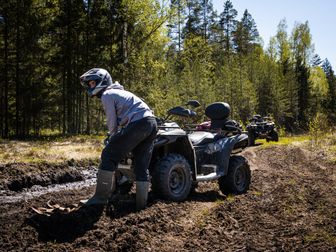
Expect a mix of rocky dirt roads, embedded stone, loose baby-head rock, rutted two-track, and hardpack with gravel over the top. In drier stretches, traction is generally decent until climbs get steep or the surface turns marbly. In wetter periods, the same roads can become slick with mud over rock, which raises the difficulty quickly.
Several routes feature steeper grades, off-camber turns, drainage dips, erosion bars, and ledgy climbs. These are not the kind of trails where speed is the main attraction. Instead, line choice matters. On larger ATVs and especially longer side-by-sides, tight turns and washouts can force multi-point maneuvers or careful wheel placement.
Creek crossings are not the headline feature here the way they are in some eastern trail systems, but riders may encounter seasonal water crossings, runoff channels, puddled meadows, and wet low spots after rain or snowmelt. Drainages can cut into roads and create surprise washouts by midseason.
Vegetation and visibility also affect the ride. Lower and mid-elevation sections often pass through ponderosa pine and mixed conifer, while higher stretches can include aspen stands, meadows, and exposed ridges. In the trees, visibility can be limited around corners, so this is not a place to overdrive blind turns. On exposed roads, wind and weather can change quickly, and lightning risk is real during monsoon afternoons.
The biggest terrain factor many visitors underestimate is altitude. Machines lose power at elevation, and riders tire faster. A climb that looks moderate on the map can feel much steeper at 10,000 feet when the surface is loose and the weather is turning.
Difficulty & Who It's For
We rate Santa Fe National Forest as a Blue-to-Black overall system because it includes approachable forest roads alongside genuinely technical mountain routes.
Green
Best for: Beginners, families, and riders on utility ATVs sticking to wider designated forest roads.
The easiest riding here is on maintained Forest Roads with moderate grades and fewer rocky obstacles. Green-level riders should still be comfortable with mountain driving, changing weather, and occasional rough patches. This is not a groomed OHV park, so even easier routes can include washboards, shallow ruts, and loose rock.
Blue
Best for: Intermediate ATV riders and side-by-side drivers with some mountain experience.
This is where much of the forest fits. Blue routes often include sustained rock, uneven climbs, narrow shelfy sections, and drainage crossings that require attention. Riders should know how to manage traction on loose surfaces, descend under control, and pick lines through embedded rock.
Black
Best for: Advanced riders with good ground clearance, solid tires, and experience on technical mountain terrain.
Black-level routes in Santa Fe National Forest usually involve steeper grades, larger embedded rock, deeper ruts, tighter switchbacks, and more remote travel. These sections can become significantly harder after storms. Recovery can be difficult because cell coverage is inconsistent and traffic can be light.
Double-Black
Best for: Highly experienced riders only, and generally only when route conditions push a trail beyond its normal rating.
There are not many officially signed “extreme” ATV routes in the way some dedicated parks have, but certain legal roads and trails can ride like Double-Black when they are washed out, snow-damaged, muddy, or blocked by downfall. We would reserve this rating for poor-condition scenarios, not standard dry-season riding.
Permits & Access
Access rules in Santa Fe National Forest depend on the specific ranger district and whether your machine is street legal, OHV-registered, or being trailered in from out of state.
Parking and staging
Common staging options are found at designated pullouts, developed campgrounds, and dispersed access points near legal motorized routes around Cuba, Jemez, and Coyote-side entries. Parking quality varies. Some trailheads are little more than widened gravel areas, so larger trailers should scout access before arrival. During wet weather, shoulder parking can get soft.
Permit costs
In most cases, there is no separate trail permit fee to ride designated motorized routes in the national forest. However, fees may apply if you use a developed campground or day-use recreation site nearby.
Reservation requirements
For general OHV day riding, reservations are typically not required. Campgrounds in or near the forest may require reservations depending on the site and season.
OHV sticker requirements
New Mexico requires OHVs to comply with state registration rules. In general:
- New Mexico residents need valid OHV registration for non-street-legal machines.
- Out-of-state riders may need a New Mexico OHV permit/sticker if their machine is not registered in a state with a recognized reciprocity arrangement.
- Youth helmet, supervision, and safety-certificate rules may apply under New Mexico OHV law.
- Street-legal vehicles using forest roads must meet road-legal requirements where applicable.
We recommend checking three sources before your trip:
- Santa Fe National Forest MVUM for legal roads and trails
- New Mexico OHV Program for current registration and permit rules
- Ranger district alerts for closures, fire restrictions, storm damage, and seasonal gates
Because route legality can change, the MVUM matters more than older ride reports or crowd-sourced map apps.
Tips for Riding This System
Start earlier than you think you need to. Afternoon monsoon storms are common in summer, and exposed ridges are not where you want to be when lightning starts building.
Plan for power loss at altitude. Carbureted machines may run rich up high, and even fuel-injected rigs feel softer on steep climbs above 9,000 feet.
Download maps before leaving town. Cell service is unreliable in many parts of the forest. Carry the MVUM and a GPS track if possible.
Bring extra layers even in summer. Cool mornings, sudden rain, and wind at elevation can make a short ride feel much longer if you are underdressed.
Watch for washouts after storms. A road that was easy in the morning can have standing water, fresh ruts, or debris by the afternoon.
Fuel up before entering the forest. Services are limited depending on which district you use, and route mileage can add up quickly when roads are slower and rougher than expected.
Ride conservatively on blind corners. You may meet full-size vehicles, dual-sport riders, horses, hikers, or another ATV group with little warning in timbered sections.
FAQ
Are Santa Fe National Forest OHV trails good for beginners?
Yes, some designated forest roads are beginner-friendly, especially wider routes with moderate grades. That said, this is still mountain terrain, so true beginners should stick to easier roads, avoid wet conditions, and ride with a more experienced group.
What is the best time of year to ride Santa Fe National Forest?
For most riders, late June through October is the sweet spot. Snow can block higher routes well into early summer, and fall usually offers the most stable conditions. Always check district-specific closures before heading out.
Do I need a permit or OHV sticker to ride here?
You usually do not need a separate forest trail permit fee, but you do need to comply with New Mexico OHV registration or permit rules. Out-of-state riders should verify whether they need a New Mexico OHV permit before arriving.
Are there technical rocky sections in Santa Fe National Forest?
Absolutely. Many routes include loose rock, embedded stone, erosion damage, and steep grades. Dry conditions can make them manageable for intermediate riders, but rain or runoff can quickly push those same sections into advanced territory.
Santa Fe National Forest is one of the better places in New Mexico for riders who want elevation, scenery, and a little more technical challenge than a typical open road network. If you plan around weather, verify legal routes on the MVUM, and bring the right gear, this forest can deliver a memorable high-country ATV trip.
Get our best guides in your inbox
Top Picks & Comparison
| # | Product | Price | Rating | ||
|---|---|---|---|---|---|
| #1 | |
Motocross Helmet, DOT Approved Dirt Bike Helmet for Off-Road Riding Trail Riding Endurance Racing |
$65.99 | (6) | Check Price on Amazon → |
| #2 |  |
Fly Racing Patrol Off-Road Gear Set - (Over the Boot) Pant and Jersey for MX, ATV and Off-Road Riding |
$224.89 | (2) | Check Price on Amazon → |