Seneca State Forest OHV Trail Guide

Alana Azzouz is a Senior Editor at Searchshop Media Network with over a decade of experience in consumer content quality and editorial standards. She has reviewed thousands of product guides, buying articles, and comp…
Why trust us
BestATVTrails trail guides are researched by riders with decades of powersports experience. Our lead researcher spent 30+ years in powersports retail and has ridden trails across a dozen US states. Every gear recommendation is sourced from real product research matched to specific terrain — not paid placements or generic affiliate lists.

Seneca State Forest OHV Trail Guide
Gear for This Trail

Because Seneca combines mountain weather, moderate rocky terrain, forest impact risk, and the possibility of slick or remote conditions, we recommend gear that balances protection, navigation, and practical trail support. Here's a focused setup for this specific trail system.
| Gear Type | Brand | Product | Why It Suits Seneca State Forest | Approx. Price |
|---|---|---|---|---|
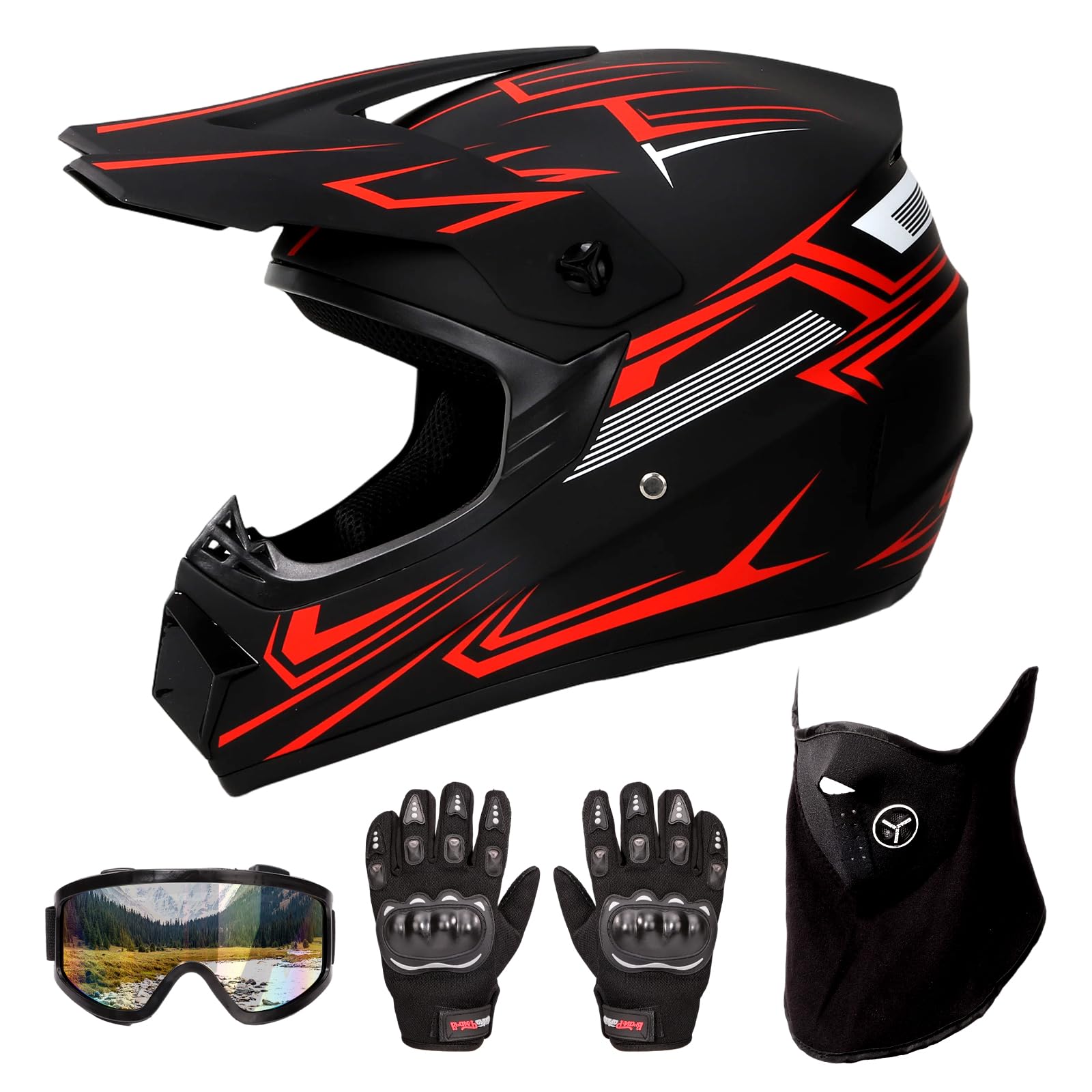 Helmet Helmet |
Bell | Qualifier Full-Face Helmet | A full-face helmet makes sense here because tight wooded trails, branches, dust, and cool mountain air all favor more coverage than an open-face setup. The Qualifier is a widely available option with good ventilation for summer riding and enough protection for rocky forest terrain. | $120-$160 |
| Gloves / Protective Gear | Fox Racing | Dirtpaw Gloves | Seneca's mix of branches, vibration, and changing grip conditions makes durable gloves a must. The Dirtpaw line offers padded protection and dependable control on wet or rocky trail sections without feeling overly bulky. | $25-$40 |
| Chest/Upper Body Protection | Alpinestars | Bionic Action Chest Protector | For riders tackling moderate-to-rough mountain trails, chest and back protection can be worthwhile. This protector suits wooded riding where roost, bars, and tree-side impacts are realistic risks. | $130-$180 |
| Terrain-Specific Item | Garmin | Tread Powersport Navigator | In a forested mountain system, navigation matters. A purpose-built powersports GPS helps with route tracking, intersections, and staying oriented when cell service is weak. It's especially useful for riders unfamiliar with the state forest layout. | $500-$700 |
| Recovery / Utility | Rhino USA | Recovery Tow Strap | Even moderate West Virginia trails can turn slick after rain. A quality tow strap is one of the smartest items to carry for mud holes, failed hill climbs, or helping another rider on a remote segment. | $30-$45 |
| Comfort / Utility | Nelson-Rigg | Hurricane ATV Rear Rack Bag | This trail rewards riders who carry layers, water, tools, and snacks. A weather-resistant rack bag is ideal for changing mountain temperatures and all-day riding where you may be far from the trailhead. | $90-$130 |
A few additional notes on setup: we recommend aggressive all-terrain tires in good condition, a basic tire repair kit, and extra hydration even in cooler weather. Mountain riding can feel less hot, but it still wears riders down over a full day.
Introduction
If you're researching Seneca State Forest OHV trails WV, you're probably looking for a ride that blends mountain scenery, manageable challenge, and a quieter backcountry feel than some of the state's busier off-road destinations. Seneca State Forest, near Dunmore in Pocahontas County, gives riders exactly that kind of experience: forested ridgelines, cool summer air, winding mountain grades, and a trail system that feels remote without being overly extreme.
Riders visit this area for the high-country setting as much as the trail network itself. The forest sits in one of West Virginia's most scenic regions, and the riding reflects that landscape with wooded corridors, rolling elevation changes, occasional rocky sections, and long stretches of shaded trail. It is a strong choice for ATV and side-by-side riders who want a day or weekend trip focused on scenery and moderate technical riding rather than nonstop mud bogs or highly aggressive rock crawling. We recommend it most for riders who enjoy steady trail mileage, mountain views, and a more traditional state-forest riding atmosphere.
Trail Overview

Seneca State Forest is one of West Virginia's better-known public forest recreation areas, and its off-road trail system is geared toward riders who want a legal, managed place to explore mountain terrain.
Key stats at a glance:
- Location: Seneca State Forest, near Dunmore, West Virginia
- Nearest town: Dunmore; Marlinton is the nearest larger service town for fuel, food, and supplies
- Trail mileage: approximately 20-plus miles of designated OHV trails and connectors, depending on current open segments and route combinations
- Difficulty range: Green to Black, with most riding falling in the Blue/moderate category
- Elevation: generally around 2,500 to 3,500 feet, with cooler temperatures than lower-elevation trail systems in the region
- Vehicle types: ATVs and side-by-sides on designated routes; always confirm current width and vehicle rules before traveling
- Permit requirement: West Virginia State Forest OHV permit required for eligible machines using the designated trail system
- Best season: late spring through fall, especially summer and early fall when the higher elevation keeps riding temperatures comfortable
- Camping/lodging nearby: state forest lodging, cabins, campground options, and additional lodging in the Marlinton/Pocahontas County area
One of the biggest draws here is the climate. Compared with lower, hotter trail systems, Seneca often feels noticeably cooler in summer. That makes it attractive for riders planning all-day mileage, family weekend trips, or shoulder-season outings when weather and trail moisture can shift quickly.
Trail Conditions & Terrain
The terrain at Seneca State Forest is classic Appalachian mountain forest riding. Expect a mix of hard-packed dirt, embedded rock, loose stone, shallow ruts, leaf-covered sections, and occasional muddy pockets after rain. This is not a pure sand or desert-style system, and it is not known primarily for giant mud holes. Instead, the challenge comes from changing traction, narrow wooded trail corridors, elevation changes, and the way weather affects the surface.
Many segments run through dense hardwood forest, where shade helps preserve moisture. That means a trail that looks dry from the parking area can still hold slick patches in low spots or on north-facing slopes. In drier conditions, you'll likely see firm dirt with scattered rock and roots. After rain, expect slick clay, greasy turns, soft edges, and puddled depressions that can deepen with traffic.
Grades are part of what gives this system its character. Riders should be ready for climbs and descents with moderate pitch, especially on mountain-side routes where drainage cuts and exposed stone can interrupt momentum. Some hill sections may be straightforward when dry but require more throttle control and line choice when wet. We recommend approaching blind rises and downhill turns conservatively, since mountain forest trails can tighten quickly.
Creek-style water crossings are not the defining feature here the way they are in some trail systems, but you may encounter drainage crossings, wet-weather runoff channels, and shallow water or mud holes depending on recent rainfall and maintenance conditions. Because of the elevation and tree cover, trail conditions can stay variable even within a single loop.
Another thing riders should plan for is visibility and trail definition. Forest routes can feel enclosed, and leaf litter can hide loose rock, roots, or shallow washouts. In fall especially, downed leaves can make a moderate trail feel more technical than its rating suggests. Dust can also be a factor in dry summer stretches, but usually less than in open, lower-elevation systems because of the shaded environment.
Overall, the terrain rewards riders who are comfortable with:
- changing traction
- moderate hill work
- occasional rock gardens or embedded stone
- tight wooded turns
- wet spots after storms
- cooler mountain conditions that can shift quickly
Difficulty & Who It's For
We would classify the overall Seneca riding experience as mostly Blue/moderate, with easier connectors and a few more technical stretches that edge into Black territory depending on trail condition.
Green: Beginner-friendly sections
Some access roads, smoother connectors, and wider forest segments can work for newer riders who already understand basic ATV handling. These areas are best for:
- adult beginners
- families with conservative pacing
- riders getting comfortable with mountain terrain
Even on Green-leaning sections, beginners should still expect loose rock, elevation change, and weather-related slickness. This is not flat farmland riding.
Blue: Intermediate riders
This is the sweet spot for Seneca. Most riders who are comfortable with hills, ruts, and uneven surfaces will find the system enjoyable rather than intimidating. Blue-level sections suit:
- intermediate ATV riders
- side-by-side riders with mountain trail experience
- groups looking for scenic all-day rides without extreme obstacles
If you can manage throttle control on climbs, descend with discipline, and read changing trail surfaces, you'll likely enjoy the majority of this system.
Black: Advanced or condition-dependent challenge
A few segments can ride like Black trails when they're wet, rutted, or heavily chewed up. These are not necessarily extreme in dry weather, but conditions can raise the difficulty fast. Black-level suitability includes:
- experienced riders
- those comfortable with steeper grades and rocky lines
- riders traveling with recovery gear and strong trail judgment
Double-Black: Not the defining character here
Seneca State Forest is not primarily a Double-Black destination. If your group is looking for highly technical rock crawling, deep mud-focused riding, or extreme obstacle sections, other West Virginia systems may be a better match.
Permits & Access
Seneca State Forest's OHV system operates under West Virginia state forest trail rules, so riders should verify current regulations through the West Virginia Division of Forestry before heading out. Rules and fees can change, and some trail segments may close temporarily for maintenance or weather.
Permit requirements
For most riders using the designated OHV trail system, a West Virginia State Forest OHV permit is required. Permit pricing can vary by residency and vehicle type, but riders should expect a daily or annual fee structure typical of managed state forest systems.
As a practical planning baseline:
- confirm whether your machine needs a daily permit or annual permit
- verify whether there are separate rates for residents and non-residents
- check whether your ATV or UTV must display the permit on the vehicle
- confirm any age, helmet, and passenger regulations before arrival
OHV sticker and registration considerations
West Virginia's OHV rules can involve both state registration/identification requirements and site-specific trail permits. Out-of-state riders should pay special attention here. We recommend confirming:
- whether your home-state registration is sufficient for the machine
- whether a West Virginia non-highway registration or trail permit applies
- whether your machine must display an OHV sticker or permit decal while riding
Parking and staging
The forest has designated recreation access points and parking/staging areas for trail users. Parking availability can vary by season, campground traffic, and special events. We recommend arriving early on peak weekends, especially in summer and fall.
Before traveling, verify:
- the current official trailhead/staging area for OHV access
- trailer parking availability
- restroom access
- whether overnight parking is allowed
- any quiet-hour or campground traffic restrictions
Reservations and lodging
Day riding generally does not require a trail reservation, but lodging inside the state forest or nearby can book up during peak travel periods. If you're planning a weekend, especially in fall foliage season, reserve cabins, campsites, or nearby lodging early.
Tips for Riding This System
Here are the most useful trail-specific tips we can give after researching this area and how riders typically use it:
- Check weather closely before you go. At Seneca, rain changes the trail quickly. A route that feels moderate in dry weather can become much slicker on climbs and off-camber turns.
- Start with easier connectors before committing to longer loops. This helps you gauge traction, trail wear, and how your machine is handling at elevation.
- Carry an extra layer even in summer. The higher elevation keeps temperatures cooler, especially in the morning, after storms, or late in the day under canopy.
- Do not rely entirely on cell service. Forested mountain terrain can make coverage unreliable, so offline maps or a dedicated GPS are worth bringing.
- Watch for leaf cover in fall. Leaves can hide loose rock, roots, and rut edges, making otherwise moderate trail sections feel more technical.
- Fuel up before entering the system. Services are limited compared with larger destination trail networks, so top off in Dunmore or Marlinton and bring what you need for the day.
- Ride conservatively on blind corners and descents. The wooded trail environment shortens sight lines, and shared-use awareness is important on managed public trail systems.
FAQ
Is Seneca State Forest good for beginner ATV riders?
It can work for beginners on the easier sections, but overall we consider it better for confident beginners and intermediate riders. The mountain grades, rocks, and changing traction can be a lot for a true first-time rider.
Do I need a permit to ride Seneca State Forest OHV trails?
Yes, riders generally need the appropriate West Virginia state forest OHV permit for the designated trail system. We recommend checking the West Virginia Division of Forestry for the latest fees, display requirements, and vehicle eligibility.
Are side-by-sides allowed at Seneca State Forest?
Side-by-side access may be allowed on designated routes, but width and vehicle rules can change. Always confirm current UTV/SxS access restrictions before making the trip, especially if your machine is wider than a standard trail ATV.
What is the best time of year to ride Seneca State Forest?
The best riding window is usually late spring through fall. Summer is popular because the higher elevation stays cooler, while early fall adds excellent scenery. After heavy rain, expect slicker trail conditions.
Get our best guides in your inbox
Final Thoughts
Seneca State Forest stands out as a scenic West Virginia ride for ATV users who want mountain forest terrain, moderate challenge, and cooler high-country conditions. It is not the state's most extreme OHV destination, but that's part of its appeal. The system offers enough elevation, rock, and trail variation to stay interesting while remaining accessible to a broad range of riders with basic mountain experience.

For riders searching for Seneca State Forest OHV trails WV, this is a strong option when you want a legal public trail system with a more relaxed pace, beautiful surroundings, and a classic Appalachian backcountry feel. Plan around the weather, confirm permit details before arrival, and gear up for rocky, shaded mountain riding. If that's your kind of trip, Seneca deserves a spot on your West Virginia trail list.
Top Picks & Comparison
| # | Product | Price | Rating | ||
|---|---|---|---|---|---|
| #1 | |
Peicees 13PCS Motorcycle Set, 5 Dirt Bike Ski Goggles UV Protection Dustproof Windproof Safety Glasses with 8 Skull Face Mask |
$27.99 | (361) | Check Price on Amazon → |
| #2 | |
Motocross Helmet, DOT Approved Dirt Bike Helmet for Off-Road Riding Trail Riding Endurance Racing |
$65.99 | (6) | Check Price on Amazon → |