Best ATV Trails in Utah (2026)

Alana Azzouz is a Senior Editor at Searchshop Media Network with over a decade of experience in consumer content quality and editorial standards. She has reviewed thousands of product guides, buying articles, and comp…
Why trust us
BestATVTrails trail guides are researched by riders with decades of powersports experience. Our lead researcher spent 30+ years in powersports retail and has ridden trails across a dozen US states. Every gear recommendation is sourced from real product research matched to specific terrain — not paid placements or generic affiliate lists.

Best ATV Trails in Utah
Trail Overview

Because Utah's riding is spread across several major systems, the best way to understand the state is by region. These are the headline areas most riders consider when planning a trip.
| Trail System | Approx. Miles | Difficulty | Elevation | Best Season | Nearest Town | Permit Notes |
|---|---|---|---|---|---|---|
| Paiute ATV Trail System | 2,000+ miles including connectors | Green to Black | Roughly 5,000-11,000 ft | June-October | Marysvale, Richfield, Circleville, Beaver | Utah OHV registration or non-resident permit required |
| Moab Area Trails (Hell's Revenge vicinity, Fins & Things, Behind the Rocks access roads, Gemini Bridges area) | 100+ ATV-suitable miles depending on route choices | Blue to Double-Black | Roughly 4,000-6,000 ft | March-May, September-November | Moab | Utah OHV registration or non-resident permit required |
| Sand Hollow State Park OHV Area | 15,000+ acres of riding terrain | Green to Black | Around 3,000 ft | October-April, early mornings in shoulder season | Hurricane, St. George | Utah OHV permit required; state park entry fees apply |
| Arapeen OHV Trail System / Skyline Drive access routes | 600+ miles | Green to Black | Roughly 6,000-10,000 ft | June-October | Ephraim, Manti, Fairview | Utah OHV registration or non-resident permit required |
| Coral Pink Sand Dunes State Park | Smaller than Paiute but extensive open riding area and marked routes | Green to Blue | Around 6,000 ft | Spring and fall | Kanab | Utah OHV permit required; state park entry fees apply |
For most riders, the biggest decisions come down to terrain and season. Paiute is the mileage king, Moab is the technical icon, Sand Hollow is the all-around desert playground, and Arapeen offers a strong mountain option with less national attention than Paiute.
Introduction
If you're searching for the best ATV trails in Utah, you're looking at one of the most diverse off-road states in the country. Utah gives ATV riders a rare mix of terrain in a single destination: Moab slickrock, red sand and dunes, high-elevation forest routes, and long canyon-rim connectors that can turn a day ride into a true backcountry adventure. That variety is exactly why riders travel here year after year.
We researched Utah's top trail systems with a focus on where ATV riders get the best combination of scenery, trail quality, access, and route options. Some areas, like Moab, are known for technical rock and ledges. Others, like the Paiute system, deliver huge mileage through alpine forest and mountain towns. Southern Utah adds open desert loops and dune zones, while central and eastern Utah offer scenic plateau and canyon-country riding.
Rather than treat Utah as one single trail network, this guide covers the major riding areas that consistently rank among the state's best. If you want a trip plan that matches your machine, skill level, and season, this is where to start.
Trail Conditions & Terrain

Utah's trails are famous because they do not ride the same from one region to the next.
Paiute ATV Trail System
The Paiute system is built for riders who want long-distance exploration. Expect hard-packed forest roads, rocky two-track, graded connectors, loose climbs, embedded rock, and occasional mud depending on recent weather. In higher elevations, snowmelt can leave wet ruts and soft shoulders early in the season. Some sections are smooth enough for newer riders, while others climb steeply through switchbacks and exposed mountain terrain. Dust can be heavy in late summer, especially on busier connectors between towns.
Moab Area Trails
Moab is all about traction and technical line choice. Slickrock gives incredible grip in dry conditions, but the riding is physically demanding because of ledges, abrupt climbs, off-camber shelves, stair-step rock, and narrow route finding. Sandy washes often connect rock sections, so riders transition between high-traction sandstone and loose deep sand in the same loop. Some routes near Gemini Bridges or Kane Creek-style access roads can include washboard, rock shelves, and occasional water or mud depending on conditions. Heat and exposure are major factors here because shade is limited.
Sand Hollow State Park
Sand Hollow combines red dunes, whoops, slickrock slabs, hard desert track, and sharp-edged rock. That mix is what makes it one of Utah's most versatile OHV destinations. Riders can spend part of the day in open sand bowls and another part navigating steep sandstone climbs. In soft areas, momentum matters; on rock, tire placement matters. Wind can reshape dune faces, and the desert surface gets punishingly hot in summer.
Arapeen / Skyline Region
The Arapeen system offers mountain riding with broad views, forest roads, loose shale, aspen groves, and ridge routes. Expect long grades, occasional shelf roads, rain ruts, and changing traction as you move between dirt, gravel, and rock. Afternoon storms can quickly change trail conditions, especially on higher ridgelines. In cooler months, shaded segments may stay damp much longer than open sections.
Coral Pink Sand Dunes
Coral Pink is more sand-focused than Sand Hollow. The terrain includes rolling dunes, soft bowls, transitions, and beginner-friendly open areas where riders can practice throttle control. The challenge comes from soft sand, visibility over dune crests, and changing lines after wind. It is less technical in a rock-crawling sense, but it still requires smart sand riding habits.
Difficulty & Who It's For
Utah has trails for nearly every rider, but not every Utah destination suits every machine or skill level.
Green
Green-rated routes are best for newer ATV riders, families, and anyone who wants scenic mileage without constant technical obstacles. In Utah, these are most common on easier Paiute connectors, portions of Arapeen, and open beginner-friendly zones at Coral Pink or Sand Hollow. Expect graded roads, mild climbs, wide trail corridors, and fewer ledges.
Blue
Blue trails fit intermediate riders who are comfortable with loose climbs, shallow ruts, moderate rock, and route changes. This is probably the sweet spot for most visiting riders. Many Paiute loops, Arapeen mountain routes, and easier Moab-area backcountry roads fall here. Riders should be ready for steeper grades, shelfy sections, and more active body positioning.
Black
Black-rated trails are for experienced riders with solid throttle control, line choice, and confidence on rock or steep terrain. In Utah, this often means technical Moab routes, advanced Sand Hollow climbs, and rougher mountain connectors with exposure or deep erosion. Obstacles may include bigger ledges, off-camber rock, sharper drop-offs, and sustained technical sections.
Double-Black
Double-Black is reserved for expert-level terrain. In Utah, the most serious examples are found around Moab and certain advanced Sand Hollow lines. These routes may involve highly technical slickrock ascents, severe ledges, narrow shelf sections, or terrain where a mistake has real consequences. We recommend these only for highly experienced riders on properly prepared machines.
Gear for This Trail
Because the best ATV trails in Utah range from slickrock to dunes to alpine connectors, we recommend gear that handles heat, dust, rock strikes, navigation, and long mileage. The products below are widely known options that fit Utah's riding conditions well.
| Gear Type | Brand | Product | Why It Suits Utah Trails | Approx. Price |
|---|---|---|---|---|
| Helmet | Bell | Qualifier Full-Face Helmet | A full-face helmet works well for Utah's dust, wind, and flying grit, especially in Moab and Sand Hollow. The Bell Qualifier is a practical choice for riders who want solid ventilation and broad availability. | $120-$180 |
| Protective Gear | Alpinestars | Bionic Action Chest Protector | Utah's rocky terrain and technical climbs make upper-body protection a smart upgrade, especially in Moab and on rough mountain routes. This model adds impact coverage without being as bulky as some moto roost guards. | $130-$180 |
 Gloves Gloves |
Fox Racing | Dirtpaw Gloves | These are a good match for long Utah rides because they balance grip, abrasion resistance, and all-day comfort. They are especially useful when bars get dusty or sweaty in desert heat. | $25-$40 |
| Terrain-Specific Item | Garmin | Tread Powersport Navigator | Utah trail systems can be huge and confusing, especially on Paiute connectors and desert junctions near Moab. A dedicated powersports GPS helps with route tracking, off-grid navigation, and avoiding wrong turns in remote country. | $500-$700 |
| Terrain-Specific Item | Rhino USA | Recovery Tow Strap | Sand Hollow, Coral Pink, and sandy wash sections near Moab can leave riders stuck fast. A quality recovery strap is one of the simplest and most useful items to carry in Utah's mixed desert terrain. | $30-$45 |
| Comfort / Utility | CamelBak | M.U.L.E. Hydration Pack | Utah's dry climate makes hydration non-negotiable. A hydration pack is especially important in exposed desert systems where heat, wind, and elevation can dehydrate riders faster than expected. | $100-$140 |
If your trip centers on dunes, we would prioritize the recovery strap and hydration pack. If your trip is Moab-focused, the chest protector and GPS become even more valuable. For longer Paiute or Arapeen rides, navigation, layered clothing, and water storage should move to the top of the list.
Permits & Access
Utah is generally ATV-friendly, but riders still need to sort out permits and staging before arrival.
For most public trails, your machine needs either current Utah OHV registration or a Utah non-resident OHV permit if you are visiting from out of state. Utah's non-resident OHV permit is commonly purchased online through the Utah State Parks system, and pricing can change, so we recommend checking the official state site before your trip. In-state riders use Utah registration requirements.
State park riding areas like Sand Hollow State Park and Coral Pink Sand Dunes State Park also charge park entry fees in addition to OHV compliance. Those fees typically apply per vehicle entering the park, not just per ATV. During busy spring and fall weekends, staging lots can fill early.
Parking and staging
- Paiute System: Marysvale is the best-known base, with multiple staging points, trailer parking, fuel, food, and direct trail access from town on approved routes.
- Moab: Several staging areas and BLM access points exist, but space can be limited. Some riders stage from lodging if their route and local rules allow legal street access for OHVs.
- Sand Hollow: The state park has designated parking and staging areas, but busy holiday periods can mean long entry lines.
- Arapeen: Town access and forest staging points are common, especially around Ephraim Canyon and Manti-area access roads.
- Coral Pink: The park provides designated staging and day-use access.
Reservations and timing
Most trail systems do not require trail reservations, but camping and state park campgrounds often do. If you want to stay inside or near Sand Hollow or Coral Pink during peak season, reserve early. For Paiute and Arapeen, town lodging can book up during summer events and fall color season.
Before riding, also confirm whether your ATV meets Utah's public-land equipment expectations, such as spark arrestor and sound compliance where applicable.
Tips for Riding This System
- Match the region to the season. Moab and Sand Hollow are far better in spring, fall, and winter shoulder periods, while Paiute and Arapeen shine in summer and early fall after snow clears.
- Do not underestimate fuel range. Paiute and Arapeen can involve long connectors between services. We recommend planning loops around known fuel stops in towns like Marysvale, Circleville, Richfield, and Ephraim.
- Air pressure matters in Utah. Slightly lower pressure can help in sand, while proper protection against pinch risk matters in rocky terrain. Adjust for the region rather than using one setup statewide.
- Carry more water than you think you need. Dry air at elevation and desert heat both dehydrate riders quickly, even when temperatures feel manageable.
- Expect trail traffic near marquee routes. Moab and Sand Hollow can be crowded on weekends. An early start gives you cooler temperatures, better parking, and less congestion on technical lines.
- Watch weather at elevation. Paiute and Arapeen can go from sunny to stormy fast. Afternoon lightning, mud, and temperature drops are real concerns on ridge sections.
- Respect mixed-use traffic. Many Utah systems are shared with UTVs, dirt bikes, jeeps, mountain bikers, or local access traffic. Slow down at blind corners and dusty intersections.
FAQ
Do I need a permit for ATV riding in Utah if I am from out of state?
Yes. In most cases, non-resident riders need a Utah non-resident OHV permit unless the machine is already recognized under Utah's current requirements. We recommend checking Utah State Parks before your trip for the latest rules and pricing.
What is the best ATV area in Utah for beginners?
For beginners, we usually point riders toward easier Paiute connectors, selected Arapeen routes, or open practice-friendly sections at Coral Pink and Sand Hollow. Moab is iconic, but many of its famous routes are better for experienced riders.
When is the best time to ride Moab versus Paiute?
Moab is best in spring and fall because summer heat can be extreme. Paiute is best from roughly June through October, depending on snowpack and high-elevation trail openings.
Can I ride directly from town to the trail in Utah?
In some places, yes. Towns like Marysvale are especially known for ATV-friendly access to the Paiute system. However, access rules vary by town and route, so always confirm local street-legal or designated OHV connector rules before riding.
Get our best guides in your inbox
Final Thoughts
The best ATV trails in Utah are not limited to one famous destination. They span technical slickrock in Moab, giant mountain mileage on the Paiute, dune and rock combinations at Sand Hollow, scenic alpine routes on Arapeen, and pure sand fun at Coral Pink. That range is what makes Utah such a standout state for ATV travel.

If we were narrowing it down by riding style, we would choose Paiute for mileage, Moab for technical challenge, Sand Hollow for variety, and Coral Pink for sand-focused trips. Pick the system that matches your machine, your skill level, and the season, and Utah can deliver one of the best ATV trips in the West.
Top Picks & Comparison
| # | Product | Price | Rating | ||
|---|---|---|---|---|---|
| #1 | |
1" x30ft Kinetic Recovery Rope (48,500lbs) – Heavy Duty Recovery Kit with Tow Strap, 2 Soft Shackles (7/16"x22"), Off-Road Shovel & Carry Bag – Ideal for Trucks, SUVs, ATVs, UTVs |
$59.95 | (117) | Check Price on Amazon → |
| #2 | |
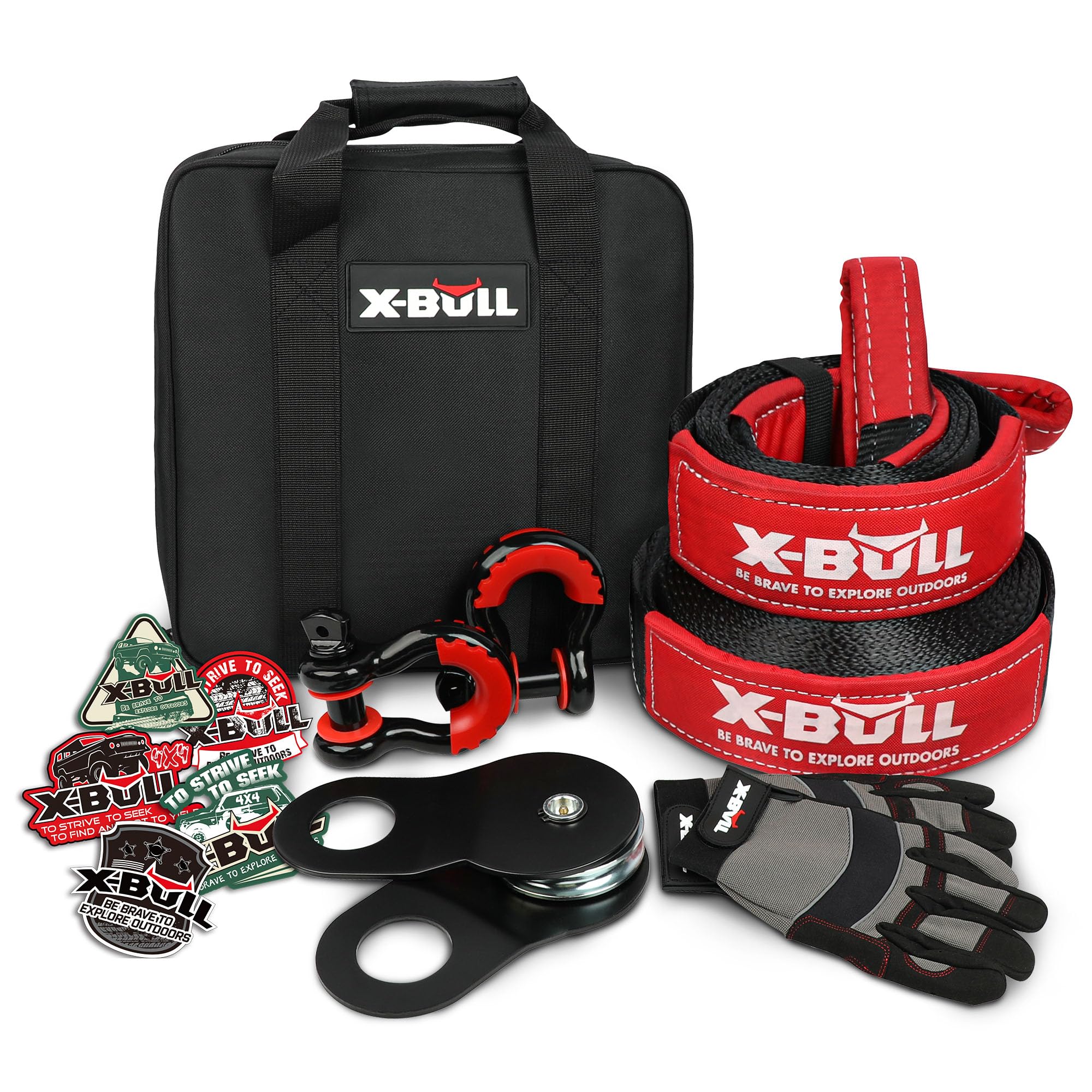
X-BULL Off-Road 4×4 Recovery Kit - Heavy Duty 3'' x 30' (31518LBS) 100% Nylon Tow Strap+41887lbs Break Strength D-Ring Shackles (2pcs)+Block Pulley+Gear Storage Bag +Gloves for ATV/UTV Jeep Truck |
$102.90 | (16) | Check Price on Amazon → |
| #3 |  |
VEVOR Off-Road Recovery Kit, 3" x 30' Tow Straps Heavy Duty with Hooks 30,000 lbs Winch Strap Kit, 44092 lbs D-Ring Shackles, Shackle Receiver, Snatch Block Pulley, Gloves, Storage Bag for ATV Jeep |
$94.90 | (252) | Check Price on Amazon → |
| #4 | 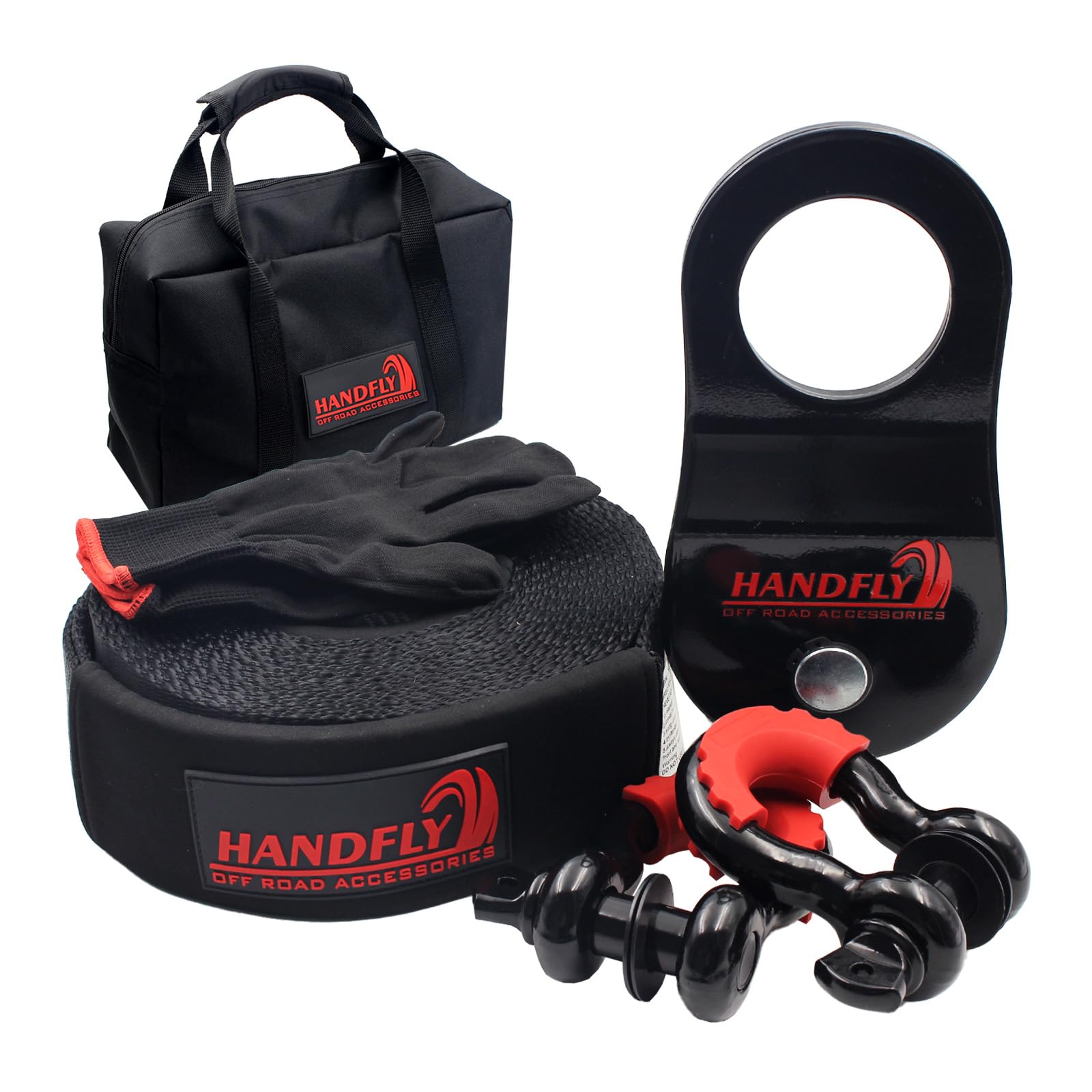 |
Offroad Recovery Kit, 3" x 30 ft Tow Recovery Strap, 1pcs 8T Heavy Duty Snatch Block Pulley, 2pcs 3/4" D-Ring Shackles with Storage Bag for Truck Jeep SUV ATV |
$42.99 | (15) | Check Price on Amazon → |