Moab ATV Trail Guide: What to Know Before You Ride

Salem Hassan founded Travelcamp RV and brings 30+ years of hands-on RV, marine, and powersports retail experience to every review.
Why trust us
BestATVTrails trail guides are researched by riders with decades of powersports experience. Our lead researcher spent 30+ years in powersports retail and has ridden trails across a dozen US states. Every gear recommendation is sourced from real product research matched to specific terrain — not paid placements or generic affiliate lists.

Moab ATV Trail Guide: What to Know Before You Ride
Gear for This Trail

Moab is hard on equipment. We recommend prioritizing impact protection, navigation, hydration, and especially underbody defense. Because slickrock ledges can strike the frame and A-arm area repeatedly, strong skid plate protection is one of the smartest upgrades for this destination.
| Gear Type | Brand | Product | Why it suits Moab | Approx. Price |
|---|---|---|---|---|
| Helmet | Bell | Bell Qualifier Full-Face Helmet | A full-face helmet makes sense for Moab's rock, dust, and high-speed road connectors. The Qualifier is a widely available option with solid ventilation for hot desert riding. | $120-$180 |
 Gloves Gloves |
FOX Racing | FOX Dirtpaw Gloves | These gloves provide knuckle coverage and dependable grip for constant steering input on slickrock climbs, ledges, and rough descents. They are also easy to replace after abrasive desert use. | $25-$40 |
| Upper-body protection | Alpinestars | Alpinestars Bionic Action Chest Protector | On technical rock routes with exposure, upper-body protection is worth having. This model adds chest, shoulder, and back coverage without feeling too bulky for warm-weather riding. | $130-$180 |
| Terrain-specific protection | Ricochet Off-Road | Ricochet Aluminum Skid Plate Set (model-specific) | This is the most trail-specific recommendation on the list. Moab ledges and breakovers can punish stock underbody protection, so a heavy-duty aluminum skid plate set is one of the best upgrades for repeated slickrock contact. | $250-$700 |
| Navigation | Garmin | Garmin Tread Powersport Navigator | Painted route markers help on slickrock, but Moab's wider trail network can still be confusing. A dedicated powersports GPS helps with route tracking, junction confidence, and emergency orientation in remote terrain. | $500-$700 |
| Comfort/utility | CamelBak | CamelBak M.U.L.E. Hydration Pack | Heat and sun are major factors in Moab. A hydration pack is more than a comfort item here; it helps riders stay sharp during slow technical sections with little shade and long exposure. | $100-$140 |
If your ATV does not already have robust underbody protection, we would move the skid plate set to the top of the shopping list for this trip. A GPS and hydration setup are close behind, especially for riders venturing beyond the most crowded routes.
Introduction
Few riding destinations have the reputation of Moab ATV trails. Riders come here for a reason: the terrain is visually stunning, mechanically demanding, and unlike almost anywhere else in the United States. Around Moab, Utah, we find a mix of world-famous slickrock, stair-step ledges, sandy washes, high-desert two-track, and exposed canyon-edge routes that demand attention from the first mile to the last. For ATV riders who want more than a casual scenic loop, Moab delivers some of the most memorable technical riding in the West.
What makes the area special is the variety packed into one trail system region. In a single trip, riders may tackle the famous Fins & Things route, work through ledges on Hell's Revenge, connect easier sections near Sand Flats, or explore longer backcountry routes like Poison Spider Mesa and Gemini Bridges access roads. The scenery is a huge draw, but the riding itself is what keeps experienced off-roaders coming back. Traction on slickrock can feel incredible, but mistakes around shelves, off-camber climbs, and canyon exposure can get expensive fast. That is why preparation matters in Moab more than at many other ATV destinations.
Trail Overview

Moab is not one single trail but a large riding region with multiple designated OHV-friendly routes and trail systems surrounding town.
Key stats at a glance:
- Trail system/region: Moab, Utah OHV riding area
- Notable ATV-suitable routes: Fins & Things, Hell's Revenge, Poison Spider Mesa, Gemini Bridges Road, Sevenmile Rim area, Behind the Rocks access routes, portions of Sand Flats Recreation Area roads
- Approximate rideable network: Hundreds of miles in the greater Moab area, with many popular day loops ranging from 10 to 40+ miles
- Difficulty range: Green to Double-Black, depending on route
- Elevation: Roughly 4,000 to 6,500 feet on many commonly ridden routes around Moab
- Nearest town: Moab, Utah
- Permit/fees: Utah non-resident OHV permit required for non-street-legal machines; day-use fees apply in some managed areas such as Sand Flats Recreation Area
- Best season: Spring and fall are best; early mornings in summer and dry windows in winter can also work
- Fuel and supplies: Readily available in Moab, but many routes are remote and exposed with no services once you leave town
For riders focused specifically on technical terrain, the most talked-about names are Fins & Things and Hell's Revenge in the Sand Flats Recreation Area. Those two trails are often the benchmark for what people imagine when they think of Moab slickrock riding. For riders wanting a less intense day, roads like Gemini Bridges Road or some BLM routes outside the core slickrock zones provide a more approachable introduction.
Trail Conditions & Terrain
Moab's terrain is defined by slickrock sandstone, and that changes how an ATV behaves compared with mud, forest soil, or loose mountain trails. Slickrock offers surprisingly strong traction in dry conditions, which allows steep climbs and descents that would feel impossible elsewhere. At the same time, it is hard on tires, undercarriage components, and rider focus. We recommend planning for heavy contact with rock, because ledges and abrupt breakover angles are common on the more technical routes.
On trails like Fins & Things, riders encounter rolling sandstone domes, short but steep climbs, off-camber shelves, and painted route markers that guide traffic over bare rock. These sections often feel more like navigating a natural obstacle course than following a conventional trail bed. There may be sandy connectors between rock segments, and those transitions can affect momentum if riders are not ready for the surface change.
On Hell's Revenge, the exposure becomes part of the challenge. The trail is famous for narrow slickrock fins, dramatic side slopes, and steep ascents and descents with consequences for poor line choice. This is where ATV width, wheel placement, and throttle control matter. The rock itself usually provides grip when dry, but the trail can still punish machines with low clearance or weak skid protection.
Poison Spider Mesa adds another layer with ledges, loose rock, and backcountry remoteness. While not every mile is extreme, the route includes technical steps and rough sections that can beat up suspension and driveline components. Some routes in the Moab area also include sandy washes, embedded rock, ruts, and occasional washouts after storms.
Creek crossings are not the defining challenge in Moab the way they are in Appalachian or forest trail systems. Instead, the main obstacles are:
- Rock ledges and shelves
- Steep slickrock climbs and descents
- Off-camber traverses
- Deep sand pockets between rock slabs
- Tight route finding with painted markers on rock
- High heat and sun exposure
- Canyon-edge consequences on select routes
Weather changes the difficulty significantly. Dry slickrock is usually grippy. Wet slickrock can become much more unpredictable, and clay-based access roads can turn slick enough to stop progress. Summer heat is another major trail condition in itself. There is very little shade, and reflected heat off the rock can wear riders down faster than expected.
Difficulty & Who It's For
Because Moab includes many routes, it helps to think of the area by trail level rather than assigning one blanket rating.
Green: Beginner-friendly scenic routes
These are easier dirt roads and wider OHV routes in the greater Moab region, including some graded access roads and less technical BLM connectors. They suit newer ATV riders who want scenery without committing to major slickrock obstacles. We still recommend basic off-road experience, because sand, washboards, and remote conditions are common.
Blue: Intermediate routes
Trails like easier sections around Sand Flats or moderate backcountry roads with rock and sand fit here. These routes are best for riders who already know how to manage traction changes, mild ledges, and steeper grades. A stock 4x4 ATV with decent tires and good ground clearance can usually handle many Blue routes if ridden carefully.
Black: Advanced technical trails
Fins & Things often lands in this category for ATV riders, especially for those new to slickrock. It demands steady throttle control, confidence on steep rock faces, and careful wheel placement over shelves and transitions. Black-rated Moab trails suit experienced riders with strong line choice, a well-protected machine, and comfort on exposed terrain.
Double-Black: Expert-only terrain
Hell's Revenge is the classic example. This level is for highly experienced riders only. The combination of steep slickrock fins, serious exposure, abrupt ledges, and technical route finding can overwhelm casual riders quickly. Double-Black routes in Moab are best for riders who have already handled advanced rock terrain elsewhere and understand the limits of both machine and body position.
Our overall take
If we had to summarize Moab ATV trails in one line, we would call the region Blue to Double-Black overall, with some easier Green options nearby. Riders who are brand new to ATVing should not make technical Moab slickrock their first serious trip. Riders with solid intermediate experience can enjoy the area by selecting routes carefully, while advanced and expert riders will find the iconic obstacles that made Moab famous.
Permits & Access
Most riders stage out of Moab, Utah, where fuel, food, lodging, repair shops, and trailer parking options are easy to find. Access depends on which route you plan to ride.
Sand Flats Recreation Area
Popular trails like Fins & Things and Hell's Revenge are located in the Sand Flats Recreation Area, just east of town. This area charges an entrance fee. Rates can change, but riders should expect a day-use fee per vehicle or a multi-day pass option. It is smart to check the official Sand Flats Recreation Area website before arrival for current pricing and seasonal updates.
Parking is available at designated trailheads and staging areas, but busy spring and fall weekends fill up quickly. Arrive early if you are towing.
Utah OHV permit requirements
If your ATV is not street legal and you are a non-resident, Utah requires a non-resident OHV permit. These permits are commonly available online through Utah State Parks and also through some local vendors. The permit cost can change, but it is generally a modest trip expense compared with fuel and lodging.
If your machine is registered in Utah, make sure the registration is current. If your ATV is street legal and you plan to use legal roads to connect routes, be sure it meets Utah's street-legal equipment requirements.
Reservations
Most common OHV trail rides around Moab do not require a trail reservation in the same way a campground or timed national park entry might. However, campgrounds, lodging, and some nearby recreation services often book up far in advance during peak spring and fall periods.
Land agencies and route rules
Moab riding occurs across a mix of BLM-managed lands, county roads, and managed recreation areas. Stay on designated routes, obey posted width or vehicle restrictions, and respect seasonal closures. The area is heavily used by hikers, mountain bikers, Jeeps, UTVs, and motorcycles, so shared-use etiquette matters.
Tips for Riding This System
Air down carefully, but not excessively. Lower tire pressure can help with grip and ride quality on slickrock, but we recommend staying within a safe range for your ATV and tire construction because sharp rock edges can still punish sidewalls.
Use low range early. On technical climbs and descents, low range gives better throttle control and reduces driveline stress. Moab is not the place to charge obstacles in the wrong gear.
Follow the painted trail markers exactly. On slickrock, the route may not look obvious. The painted lines and symbols are there for a reason, and wandering off-route can damage fragile desert terrain and put you in over your head fast.
Protect the underbody before you arrive. Strong skid plate protection is not optional on advanced Moab routes. Ledges, shelves, and breakover hits are common, especially on longer-wheelbase machines or heavily loaded ATVs.
Start harder trails early in the day. Morning temperatures are better, parking is easier, and you leave more daylight for slow technical progress, trail-side repairs, or route corrections.
Do not underestimate exposure. If a rider in your group gets uncomfortable with heights or side-hill exposure, choose a different route. Trails like Hell's Revenge are mentally demanding in addition to technically difficult.
Carry more water than you think you need. Desert dehydration sneaks up fast, especially when riders are moving slowly over rock and not feeling wind cooling like they would on faster forest routes.
FAQ
Is Moab good for beginner ATV riders?
Yes, but only on selected routes. The greater Moab area has easier roads and scenic connectors, yet the iconic slickrock trails like Hell's Revenge are not beginner-friendly. Newer riders should stick to Green or easier Blue routes and avoid advanced ledges and exposed fins.
What is the hardest ATV trail in Moab?
For many riders, Hell's Revenge is the standout expert-level challenge because of its steep slickrock fins, exposure, and technical ledges. Depending on conditions and rider experience, parts of Poison Spider Mesa and other advanced routes can also feel extremely demanding.
Do I need a permit to ride an ATV in Moab?
Usually, yes. Non-resident riders on non-street-legal ATVs generally need a Utah non-resident OHV permit. Some areas, including Sand Flats Recreation Area, also charge a separate entrance or day-use fee.
What is the best time of year to ride Moab ATV trails?
Spring and fall are the best seasons because temperatures are more manageable and trail conditions are usually favorable. Summer can be brutally hot, while winter may bring cold mornings, occasional snow, and traction changes on wet rock or clay roads.
Get our best guides in your inbox
Final Thoughts
Moab earns its reputation. The combination of slickrock traction, technical ledges, desert scenery, and real consequence makes it one of the most rewarding ATV destinations in the country for prepared riders. At the same time, it is not a place to approach casually. Between the rock contact, canyon exposure, route-finding demands, and heat, machine setup and rider judgment matter on every mile.
For most riders, the best approach is to match the route to honest skill level, arrive with solid skid plate protection, carry navigation and water, and treat the terrain with respect. If you do that, Moab ATV trails can deliver the kind of ride that stays in your memory long after the dust is gone.
For more trail guides and off-road gear research, BestATVTrails will keep building practical resources for riders planning their next trip.
Top Picks & Comparison
| # | Product | Price | Rating | ||
|---|---|---|---|---|---|
| #1 | |
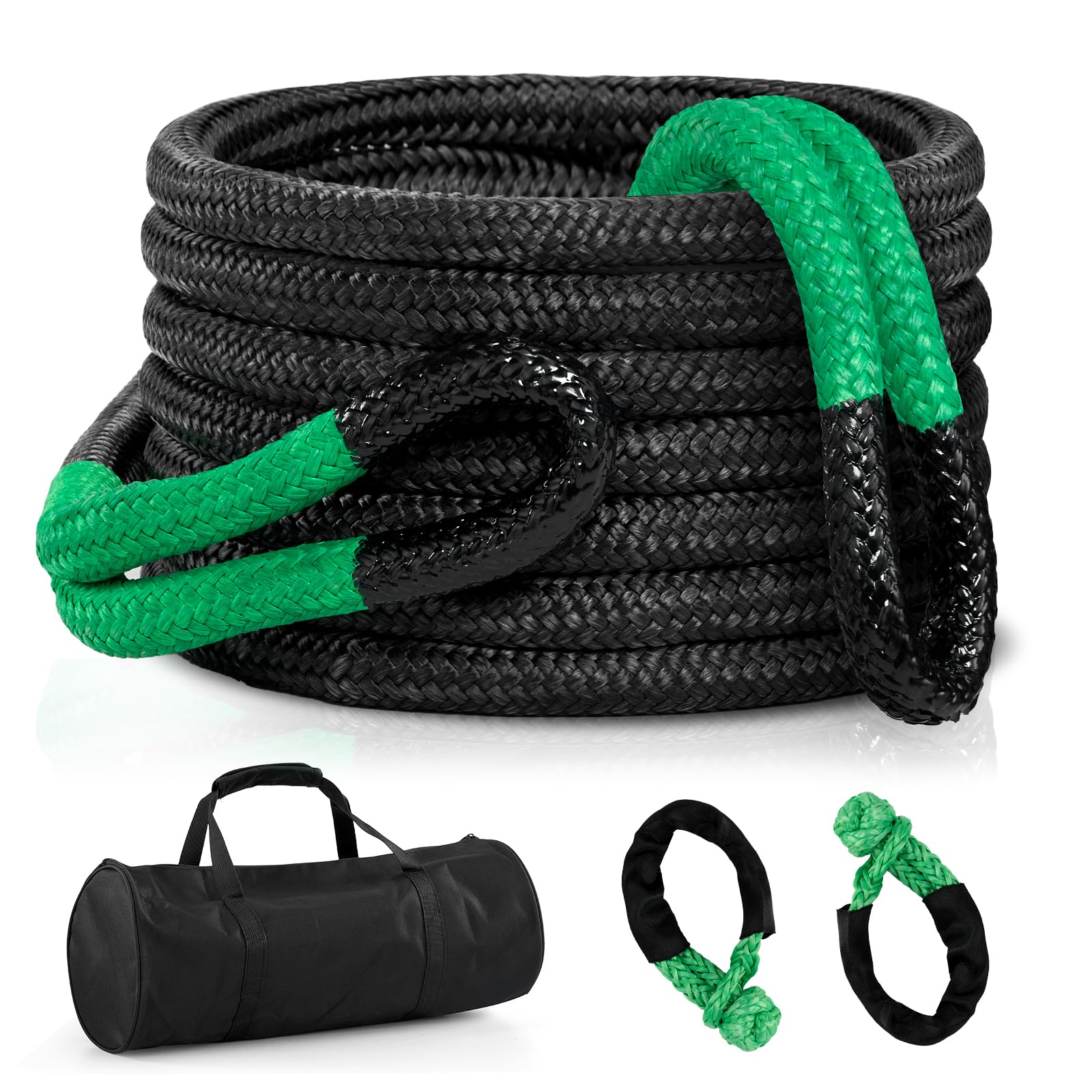
Kinetic Recovery Rope Kit w/ 2 Soft Shackles,55000Lbs, 1.26" x30ft, Heavy Duty Offroad Towing Straps Kit for Trucks SUV UTV ATV Tractor Car Jeep |
$67.99 | (1) | Check Price on Amazon → |
| #2 | |
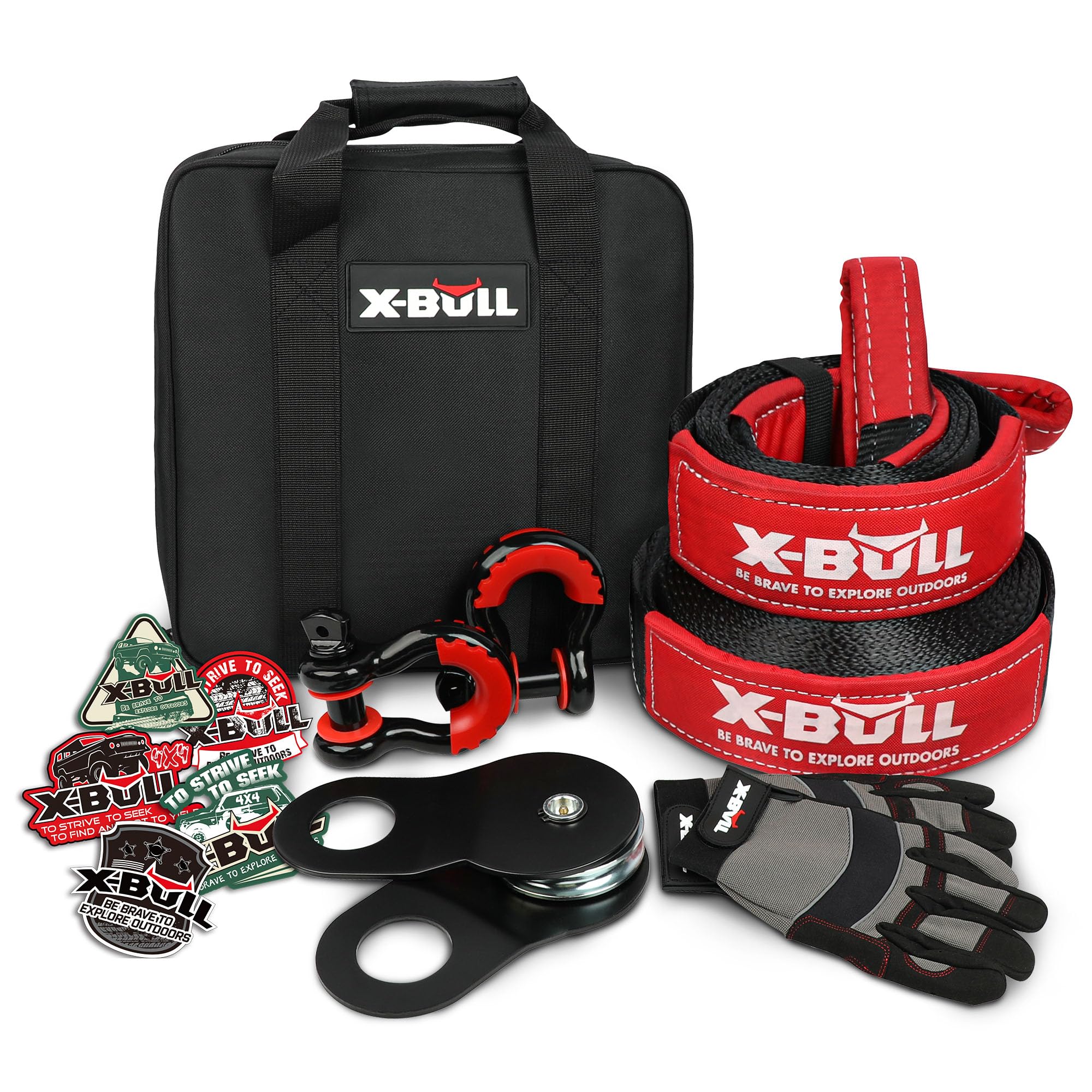
X-BULL Off-Road 4×4 Recovery Kit - Heavy Duty 3'' x 30' (31518LBS) 100% Nylon Tow Strap+41887lbs Break Strength D-Ring Shackles (2pcs)+Block Pulley+Gear Storage Bag +Gloves for ATV/UTV Jeep Truck |
$102.90 | (16) | Check Price on Amazon → |
| #3 |  |
1" x30ft Kinetic Recovery Rope (48,500lbs) – Heavy Duty Recovery Kit with Tow Strap, 2 Soft Shackles (7/16"x22"), Off-Road Shovel & Carry Bag – Ideal for Trucks, SUVs, ATVs, UTVs |
$59.95 | (117) | Check Price on Amazon → |
| #4 |  |
VEVOR Off-Road Recovery Kit, 3" x 30' Tow Straps Heavy Duty with Hooks 30,000 lbs Winch Strap Kit, 44092 lbs D-Ring Shackles, Shackle Receiver, Snatch Block Pulley, Gloves, Storage Bag for ATV Jeep |
$94.90 | (252) | Check Price on Amazon → |
| #5 | 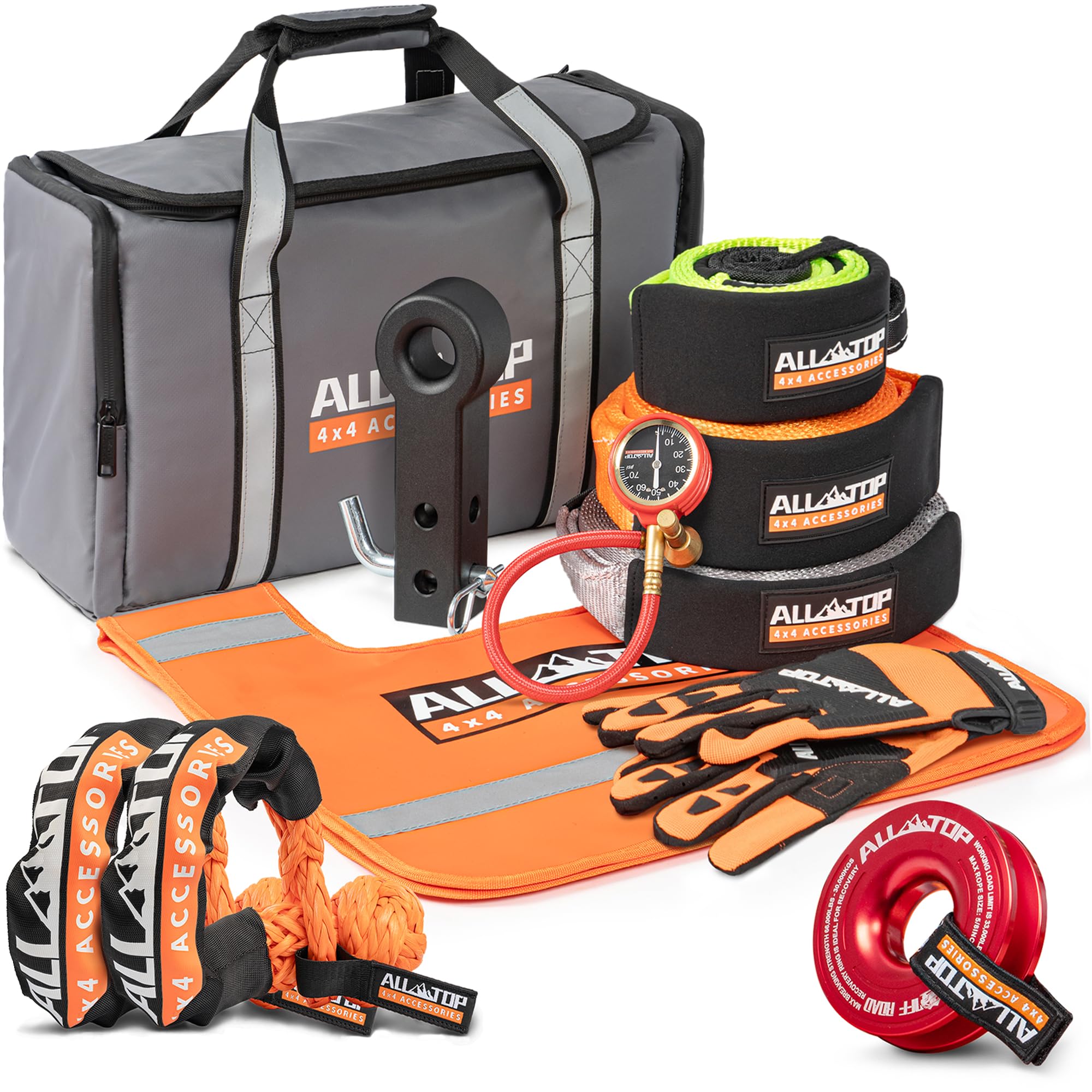 |
ALL-TOP Recovery Pack Pro 11in1: Water-Resist Offroad Gear Bag with Recovery Strap Kit(3), Damper, 2 Soft Shackles, SS Hitch Mount, Recovery Ring, Deflator & Gloves |
$299.99 | (2) | Check Price on Amazon → |
| #6 |  |
YATOINTO Off Road Recovery Kit 10 Ton Heavy Duty Snatch Block Pulley, Tree Saver Strap 3" x8' and 2pc D Ring Shackles 3/4" Recovery Winch Accessories for Car Truck SUV ATV |
$32.90 | (49) | Check Price on Amazon → |
| #7 |  |
Rhino USA Heavy-Duty Recovery Gear Combos Off-Road Truck Vehicle Recovery, Best Offroad Towing Accessories - Backed for Life (20' Strap + Hitch) |
$89.00 | (564) | Check Price on Amazon → |