St. George Utah ATV Trails: Best Systems Near Town

Ellen Kietzmann brings more than 25 years of senior leadership in the RV and outdoor recreation industry. She spent 22 years at Blue Ox — rising from Vice President of Sales & HR to President — where she grew the deal…
Why trust us
BestATVTrails trail guides are researched by riders with decades of powersports experience. Our lead researcher spent 30+ years in powersports retail and has ridden trails across a dozen US states. Every gear recommendation is sourced from real product research matched to specific terrain — not paid placements or generic affiliate lists.

St. George Utah ATV Trails: Best Systems Near Town
Gear for This Trail

St. George riding is all about heat management, dust control, eye protection, impact protection, and being prepared for sand or rock recovery. We recommend gear that matches desert conditions rather than generic trail use.
| Gear Type | Brand | Product | Why It Suits This Trail | Approx. Price |
|---|---|---|---|---|
| Helmet | Bell | Bell Qualifier Full-Face Helmet | A full-face helmet makes sense in St. George because of constant dust, flying sand, and small rock roost on busier routes. The ventilation is helpful in warm desert weather, and the shield adds comfort on windy access roads. | $120-$180 |
| Gloves | Fox Racing | Fox Racing Dirtpaw Gloves | These work well for sandy grips, hot-weather riding, and light brush contact. We like them for St. George because they balance airflow and abrasion protection without feeling too bulky in technical sections. | $25-$40 |
| Chest Protection | Alpinestars | Alpinestars Bionic Action Chest Protector | This is a smart match for rocky desert terrain where a tip-over can mean contact with ledges or embedded stone. It adds upper-body protection without the bulk of heavier moto armor. | $130-$180 |
| Navigation / Terrain-Specific Item | Garmin | Garmin Tread Powersport Navigator | Trail networks near St. George can branch repeatedly across washes, open sand, and desert roads. A powersports GPS helps with route tracking, turn-by-turn navigation on mapped roads, and getting back to the truck before dark. | $500-$700 |
| Recovery Item | Rhino USA | Rhino USA Recovery Tow Strap | Sand and loose wash bottoms can trap heavier ATVs, especially if riders stop on an uphill or in churned terrain. A compact recovery strap is one of the most useful trail items to carry in this area. | $30-$45 |
| Comfort / Utility Item | CamelBak | CamelBak M.U.L.E. Hydration Pack | Hydration is non-negotiable in southern Utah. A quality hydration pack keeps water, snacks, tools, and a phone accessible without taking up rack space, which is ideal for half-day desert loops. | $100-$140 |
If your ATV sees frequent rocky use in Warner Valley or West Rim, we also suggest pricing out a full skid plate setup from brands like Ricochet Off-Road or Factory UTV for your specific machine. That upgrade is less universal than the items above, but it makes sense for riders who plan repeat trips on ledgy desert terrain.
Introduction
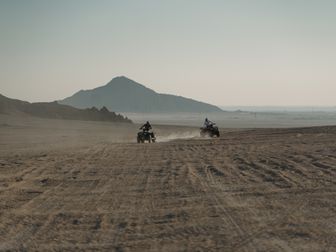
When riders search for St George Utah ATV trails, they usually want three things at once: dramatic red rock scenery, trailheads that are easy to reach from town, and terrain that works for both casual rides and more technical desert exploring. St. George delivers all three. The riding around town includes broad sandy washes, rolling desert two-track, lava rock sections, ledgy climbs, and scenic connectors that put you close to some of southern Utah’s most recognizable landscapes.
What makes this area especially appealing is convenience. You can spend the morning fueling up, grabbing food or supplies in St. George, and still be on a trail system quickly. Riders visit this corner of Utah because it offers a rare mix of accessibility and variety. Systems like Sand Mountain, Warner Valley, and the West Rim area give beginners room to learn while still offering enough intermediate terrain to keep experienced ATV riders interested. We researched the best systems near town with a focus on practical ride planning, real access details, and the gear that makes sense for hot, dry desert conditions.
Trail Overview

St. George does not have just one ATV trail system. Instead, riders can choose from several connected or nearby riding areas, with the most popular being Sand Mountain OHV Area, Warner Valley routes, and West Rim/Green Valley-area desert roads and OHV connectors.
Key stats
- Primary riding areas near town: Sand Mountain OHV Area, Warner Valley, West Rim/Green Valley connectors
- Estimated rideable mileage nearby: 100+ miles when combining signed routes, open OHV areas, and connecting roads
- Difficulty range: Green to Black, with most popular ATV routes falling in Green to Blue
- Elevation: Roughly 2,700 to 5,000 feet depending on route and rim sections
- Permit requirements: Utah OHV registration or non-resident Utah OHV permit required for street-legal access and legal OHV use where applicable
- Best season: Fall, winter, and spring; summer can be dangerously hot
- Nearest town: St. George, Utah
- Closest services: Fuel, groceries, lodging, parts stores, and restaurants in St. George, Washington, and Hurricane
For most riders staying in town, Sand Mountain OHV Area is the headline destination. It is close, scenic, and broad enough to support a half-day or full-day ride. Warner Valley adds scenic desert mileage and access toward historical and geologic points of interest. Riders wanting more elevation and views often look toward West Rim routes, though conditions can shift more with weather.
Trail Conditions & Terrain
The terrain around St. George is classic southern Utah desert, but it changes more than many first-time visitors expect. One mile may be loose sand and rolling whoops, while the next turns into hardpack with embedded rock or slickrock shelves.
At Sand Mountain, the surface is dominated by deep red sand, sandy hill climbs, open bowls, and whooped access routes. This is one of the better places near town for riders who want room to move without feeling boxed into a narrow trail. The sand can be forgiving for newer riders at moderate speed, but it also gets tiring fast if your machine setup is off or your tire pressure is too high.
In Warner Valley, expect a more varied mix of desert two-track, gravelly sections, hardpack, wash crossings, and occasional rocky ledges. This area feels more like a route network than a pure play area. You may pass petroglyph areas, broad valley views, and rougher access roads that reward slower line choice. Washes can change after storms, and loose rock tends to collect at the base of small climbs.
The West Rim side introduces rockier grades, more elevation change, and wider scenic overlooks. Depending on the exact route, you may encounter shelfy rock, ruts, and steeper climbs than what many casual riders expect near St. George. These sections are usually manageable for experienced ATV riders on utility or sport 4x4 machines, but they demand more attention than the easier sand routes.
Across the region, common trail features include:
- Loose sand in washes and open riding zones
- Hardpack desert roads with braking bumps
- Rock ledges and embedded volcanic stone
- Short steep climbs rather than long mountain ascents
- Dry creek or wash crossings that can change shape after rain
- Dusty visibility on busy weekends
Water crossings are generally not a defining feature here, but flash-flood terrain absolutely matters. A dry wash in the morning can become a dangerous place during a storm event. Weather awareness is more important than many riders assume in the desert.
Difficulty & Who It's For
We rate the broader St. George-area systems as Green to Black, depending on which routes you choose.
Green
Best for: beginners, families, youth riders in appropriate areas, and visitors who want scenic cruising
Green-level terrain is found on easier access roads, wider sandy routes, and mellow sections of the Sand Mountain area. These stretches usually have good sight lines, moderate grades, and fewer technical ledges. Riders with basic machine control can enjoy them comfortably if they manage speed in sand and avoid peak traffic times.
Blue
Best for: riders with prior ATV experience who are comfortable with sand, loose climbs, and occasional rock
This is the most common difficulty level around St. George. Blue routes often include deeper sand, wash transitions, moderate whoops, tighter turns, uneven rock, and short technical climbs. Most adult riders on 4x4 ATVs will find Blue terrain fun rather than intimidating, but it still requires body positioning, throttle control, and route reading.
Black
Best for: advanced riders on capable machines
Black sections usually involve steeper rock climbs, rougher ledges, more exposure near rim areas, or heavily churned sand that demands momentum and confidence. These aren’t the majority of routes near town, but they do exist, especially when riders branch into rougher connectors or less-traveled terrain.
Double-Black
Best for: not the main draw for most ATV visitors here
We do not consider the close-to-town St. George systems a true double-black destination for most ATV route planning. There may be isolated expert-level obstacles or route-finding challenges, but the area is better known for its broad range of easy to intermediate riding than for extreme technical trail riding.
Permits & Access
Access rules can change by route, so riders should verify current requirements with the Utah Division of Outdoor Recreation and local BLM or county sources before arrival.
OHV registration and stickers
- Utah residents: Your ATV must be properly registered as an OHV unless it is street legal under applicable Utah rules.
- Non-residents: If your machine is not registered in Utah, you typically need a Utah non-resident OHV permit to operate legally on public lands and designated routes where required.
- Street-legal OHVs: If you plan to use local roads or connectors open to street-legal OHVs, make sure your machine meets Utah equipment and registration requirements.
Permit costs
Utah non-resident OHV permit pricing can change, but riders should expect a modest annual fee rather than a per-trail charge. Always check the latest state fee schedule before traveling.
Parking and staging
Common staging depends on the system:
- Sand Mountain OHV Area: Riders typically use established staging areas with open trailer space near the riding zone.
- Warner Valley access points: Smaller pullouts and dirt staging areas are common; arrive early on busy weekends.
- West Rim connectors: Access varies by road condition and exact route choice, so larger trailers should confirm turnaround space before committing.
Reservations
For day riding, reservations are generally not required. However, if you plan to camp in developed or managed areas nearby, reservations may apply depending on the campground or event weekend.
Nearby services
One of the biggest advantages of riding near St. George is that fuel, food, ice, and emergency supplies are close. That said, once you leave town, desert conditions feel remote quickly. We recommend topping off fuel and water before every ride, even on short loops.
Tips for Riding This System
- Start early, especially from late spring through early fall. Desert heat builds fast around St. George, and even moderate rides become draining by midday.
- Air down carefully for sand, but stay within safe limits for your tire and wheel setup. Slightly lower pressure can improve flotation and ride quality at Sand Mountain.
- Carry more water than you think you need. The dry air hides dehydration, and riders often underestimate fluid loss in windy desert conditions.
- Watch the weather even if the sky looks clear over town. Storms elsewhere can affect washes and visibility in open desert terrain.
- Use GPS tracking or offline maps. Open riding areas and intersecting desert roads can make it surprisingly easy to miss your intended return route.
- Respect mixed use and passing dust. Some routes near St. George see ATVs, UTVs, dirt bikes, and occasionally hikers or equestrian users depending on the access point.
- Inspect your air filter after sandy rides. Fine red dust and sand can load a filter quickly, especially on windy or high-traffic weekends.
FAQ
What is the best ATV riding area closest to St. George?
For most riders, Sand Mountain OHV Area is the best-known and most convenient option close to town. It offers open red sand terrain, scenic views, and a range of easy to intermediate riding.
Are St. George ATV trails good for beginners?
Yes, parts of the area are beginner-friendly, especially wider sandy routes and easier desert roads. That said, sand can be tiring for new riders, so we recommend starting on Green-rated terrain and avoiding heavily whooped or rocky sections.
Do non-residents need an OHV permit in Utah?
In most cases, yes. If your ATV is not registered in Utah, you will generally need a Utah non-resident OHV permit unless your machine qualifies under another legal access category. Always confirm current state rules before your trip.
When is the best time to ride near St. George?
Fall, winter, and spring are the best seasons. Winter often offers excellent riding temperatures, while summer can be extremely hot and potentially unsafe during the middle of the day.
Is there fuel or food at the trailheads?
Usually no. The advantage of St. George is that town is close, but most trailheads themselves do not offer full services. Fuel up, grab food, and stock water before heading out.
Are these trails more sandy or rocky?
They are both, but the balance depends on the system. Sand Mountain is more sand-focused, while Warner Valley and West Rim routes add more hardpack, loose rock, and ledgy desert terrain.
Get our best guides in your inbox
Final Thoughts
The biggest strength of the St. George area is variety. Riders can spend one day playing in open sand, another day cruising scenic desert roads, and another exploring rougher rocky connectors without driving far from town. That combination is why St George Utah ATV trails remain such a strong pick for riders who want red rock scenery without giving up convenience.

Final Thoughts
The biggest strength of the St. George area is variety. Riders can spend one day playing in open sand, another day cruising scenic desert roads, and another exploring rougher rocky connectors without driving far from town. That combination is why St George Utah ATV trails remain such a strong pick for riders who want red rock scenery without giving up convenience.
8.95Check Price on Amazon →For trip planning, we recommend focusing on one main system per day, carrying extra water, and choosing gear that handles heat, dust, and occasional recovery needs. If you build your route around Sand Mountain, Warner Valley, or West Rim based on your skill level, St. George can deliver one of the most accessible and rewarding ATV experiences in southern Utah.
Information can change due to land management updates, weather, and seasonal access conditions. Check current Utah OHV regulations and local land manager guidance before riding.
Top Picks & Comparison
| # | Product | Price | Rating | ||
|---|---|---|---|---|---|
| #1 | |
St. George Utah Trail Map |
$18.95 | — | Check Price on Amazon → |
| #2 |  |
Trail Map & Guide for: St. George, Zion NP & Hurricane, Utah |
$16.95 | (8) | Check Price on Amazon → |
| #3 |  |
ATV Trails Guide Moab, UT |
$24.95 | (127) | Check Price on Amazon → |
| #4 |  |
Travel Guide St. George, Utah: (Zion National Park and Surrounding Areas) |
$14.99 | (9) | Check Price on Amazon → |